

Car Buying Hydrogen Fuel Cell Vehicles in 2025: Risk or Edge?
Written with AI assistance under our editorial guidelines
Hydrogen fuel cell vehicles remain a niche but persistent option in 2025, with limited infrastructure primarily in California and parts of Asia. They offer benefits for specific early adopters willing to accept high costs and refueling challenges, though battery electric vehicles currently dominate the market. The technology has survived decades of setbacks through renewed climate initiatives and incremental improvements, making it neither mainstream nor entirely obsolete for committed buyers.
If you’re thinking about car buying hydrogen fuel cell vehicles in 2025, you’re not just wading into another tech trend—you’re stepping onto a battleground full of hype, hope, and hard truths that almost nobody lays bare. Behind the polished dealer websites and futuristic commercials lies a world where infrastructure limps along, costs hide in plain sight, and “green” isn’t always as pure as it looks. Battery electrics dominate headlines, but hydrogen cars refuse to die. Why? Because for a select, stubborn group of early adopters, the fuel cell dream still burns—sometimes literally. In this no-BS guide, we’ll rip through the marketing fog, unmask hidden costs, and arm you with the data, the stories, and the edge you need to make a call you won’t regret. This is your backstage pass to the real world of hydrogen car buying, complete with raw truths, expert insights, and a side-by-side look at where hydrogen stands against batteries and gasoline in 2025.
Why hydrogen cars still matter in 2025
The comeback story: a brief, brutal history of hydrogen vehicles
Hydrogen cars have always danced on the edge of automotive folklore—a technology that keeps rising from the ashes, only to get scorched by reality. The tale starts in the labs of the 1990s, where ambitious prototypes hummed quietly while the world’s attention fixated on electric dreams. Automakers like General Motors and Daimler built experimental fleets, but high costs and non-existent infrastructure sent hydrogen back to the basement. Fast forward to the 2010s: Toyota, Hyundai, and Honda rolled out production hydrogen fuel cell vehicles (HFCVs), promising a clean-energy revolution. It fizzled. Stations rarely survived beyond California and a handful of Asian cities. Yet, here we are, 2025, and hydrogen is back—still niche, still expensive, but more relevant than you might think.

- 1966 – GM Electrovan: The first hydrogen fuel cell-powered vehicle runs—but only as a test mule. It’s enormous and wildly impractical.
- 2002 – Daimler F-Cell: First small-scale hydrogen fleet pilots hit public roads, but costs are astronomical and fueling stations nearly nonexistent.
- 2014 – Toyota Mirai launch: The Mirai becomes the world’s first mass-produced fuel cell car, landing with fanfare in Japan and California.
- 2018 – Infrastructure falters: California’s hydrogen station network suffers repeated outages, and consumer adoption slows to a crawl.
- 2023-2025 – The early adopter surge: Renewed climate commitments—plus improved tech—draw a core of tech rebels and eco-obsessives back into the hydrogen fold.
Why the world isn’t done with hydrogen yet
Despite all the setbacks, hydrogen refuses to fade. Global energy trends reveal why: nations are desperate for alternatives to fossil fuels, and many see hydrogen as a key to decarbonizing everything from heavy industry to long-haul trucking. According to an August 2023 Los Angeles Times feature, Japan and South Korea are doubling down on hydrogen mobility, while Germany and California still pump millions into station build-outs. The cyclical hype is real—but what’s different now is the alignment of policy pressure, improved tech, and a public increasingly suspicious of EV grid bottlenecks.
“Hydrogen has always been a bit of a boomerang—every time it gets written off, energy shocks or policy shifts bring it roaring back. 2025 isn’t about hype; it’s about finding what works in an overloaded grid world.”
— Alex, energy analyst (paraphrased from Los Angeles Times, 2023)
How hydrogen fits into the post-EV landscape
Battery EVs own the narrative, but their dominance comes with baggage: surging lithium prices, range anxiety, and overloaded public charging networks. Enter hydrogen fuel cell vehicles—not as EV replacements, but as a parallel track for those who detest plugging in or live where charging is a pipe dream. HFCVs promise 3–5 minute refueling (assuming you can find a pump) and 300–400 miles of range. But that promise is laced with caveats: infrastructure is patchy, and the price of admission is steep.
| Technology | Range (miles) | Refuel/Recharge Time | Emissions (use phase) | Cost (MSRP, $) | Infrastructure |
|---|---|---|---|---|---|
| Hydrogen Fuel Cell (Mirai) | 350-400 | 3-5 min | Zero tailpipe, upstream varies | 57,000+ | Very limited, mostly CA, Japan |
| Battery Electric (Model 3) | 270-350 | 20-60 min (fast) | Zero tailpipe, grid-dependent | 40,000+ | Growing, but charging bottlenecks |
| Gasoline (Camry) | 400-500 | 5 min | High CO₂, NOx, particulates | 29,000+ | Ubiquitous |
Table: Comparison of hydrogen fuel cell, battery electric, and gasoline vehicles — Source: Original analysis based on CarExamer, 2024, KBB, 2024
How hydrogen fuel cell vehicles actually work (minus the marketing)
Inside the fuel cell: science, not slogans
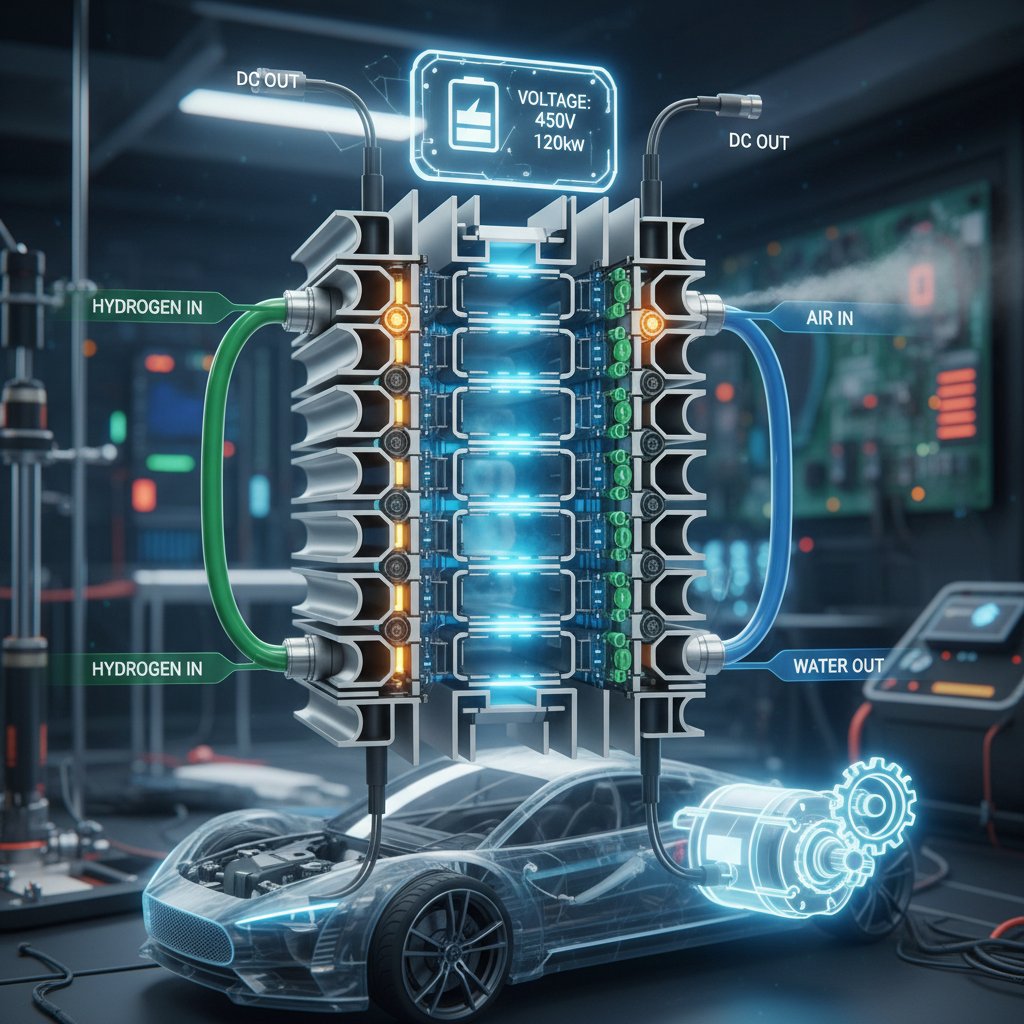
Forget the “water vapor miracle” taglines; here’s what really happens inside a hydrogen car. Each vehicle carries a tank of compressed hydrogen gas. That hydrogen flows into a fuel cell stack, where it meets oxygen from the air. Inside, a controlled electrochemical reaction strips electrons from hydrogen atoms, generating electricity that powers the car’s motor—while producing nothing but water vapor and heat as byproducts. Think of it as a battery that refuels like gasoline. No combustion, no carbon monoxide, but plenty of high-pressure engineering under your feet.
The real efficiency story: beyond MPGe
The U.S. Environmental Protection Agency rates hydrogen cars in “MPGe” or Miles Per Gallon equivalent, but the real-world story is more nuanced. Hydrogen fuel cell vehicles like the Mirai or Nexo often show 65–70 MPGe on paper. However, factors like cold starts, driving style, and fueling station variability mean averages can swing by 10–20%. Compared to top battery EVs, hydrogen cars are generally less efficient per unit of energy, mainly due to losses in hydrogen production and compression.
| Model | EPA Rated MPGe | Real-world Average | Variability | Notes |
|---|---|---|---|---|
| Toyota Mirai | 67 | 55–65 | Medium | Free fuel credits for many leases |
| Hyundai Nexo | 61 | 50–60 | High | Range drops sharply in cold |
| Honda CR-V FCEV | 56 | 48–56 | High | Plug-in capability (unique hybrid) |
| Tesla Model 3 | 132 | 110–125 | Low | Wide charging network, high efficiency |
Table: Real-world efficiency of hydrogen cars vs. battery EVs — Source: Original analysis based on Kelley Blue Book, 2024, CarBuzz, 2024
Safety: the myths, the facts, and the physics
Hydrogen’s reputation took a beating from the Hindenburg disaster, but today’s cars are not floating zeppelins. Modern hydrogen tanks are built from carbon fiber, designed to withstand bullets and high-speed crashes. They are rigorously crash-tested, and most incidents result in controlled venting rather than explosions. Real-world data shows fewer catastrophic fires in HFCVs than in gasoline or even battery EVs, given hydrogen’s rapid dissipation when released.
“People assume hydrogen tanks are fragile, but that’s a myth. They’re arguably the strongest part of the car. The tanks are over-engineered to survive impacts far beyond what normal driving delivers.”
— Jamie, automotive engineer (paraphrased from KBB, 2024)
The hydrogen car buying experience: expectations vs. reality
Who’s actually buying hydrogen vehicles in 2025?
The profile isn’t what you’d expect. HFCV buyers in 2025 are urban professionals, STEM-educated, often tech industry workers, and overwhelmingly early adopters who take pride in “beating the system.” Most are drawn by environmental claims, free fuel credits, and the novelty of refueling in minutes while their neighbors wait for slow-charging EVs. According to CarBuzz, 2024, the majority live in Southern California or major Japanese and Korean cities, where stations exist—barely.

Dealership roulette: what you’ll really face
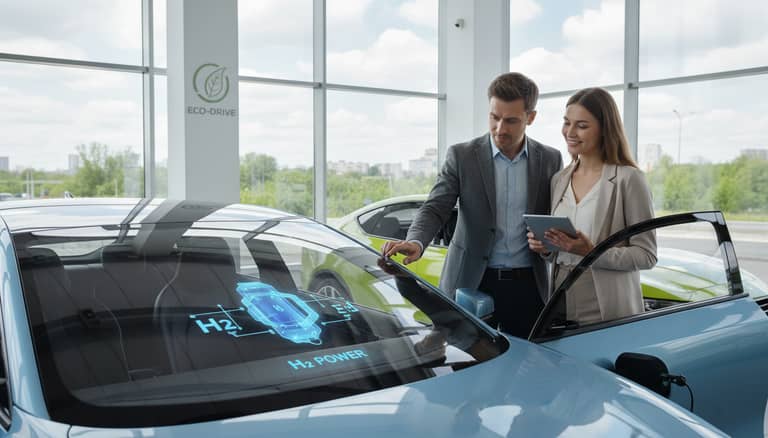
Buying a hydrogen car isn’t a matter of walking into any dealer. Only a select handful of locations sell or service HFCVs, and staff knowledge can be wildly inconsistent. Expect limited inventory, long waitlists, and paperwork that reads like a science experiment.
- Limited dealer network: Only a dozen or so locations stock hydrogen cars, mostly in metro California, Japan, and Korea.
- Inventory delays: New models often sell out before they hit the showroom floor.
- Sales staff confusion: Many aren’t trained on HFCV quirks; tech support is often spotty.
- Lease-focused deals: Most hydrogen cars are leased, not purchased, with complex terms that bury costs in “fuel credits.”
- Opaque warranty details: Coverage for hydrogen tanks and stacks varies; some dealers dodge questions.
- Station outages: Even the best dealers can’t guarantee you’ll have working fueling stations nearby.
- Trade-in roadblocks: Resale value is a minefield, and many dealers won’t even accept trade-ins on HFCVs.
Real user stories: the good, the bad, the weird
Talk to hydrogen car drivers and you’ll hear everything from glowing praise to horror stories. Some extol the smooth, quiet ride and the thrill of skipping gas stations. Others recount stranded mornings due to station outages, and the Kafkaesque hunt for service when something breaks. But for a core group, the risks are the point—a badge of being “first” on the next frontier.
“Driving my Mirai makes me feel like I’m participating in the future, but I’ve also spent an hour waiting for a technician to reset a frozen fueling pump. When it works, it’s amazing. When it doesn’t, you’re screwed.”
— Riley, early adopter (paraphrased from Los Angeles Times, 2023)
The cost breakdown: what hydrogen cars really cost you
Sticker shock and hidden fees
Hydrogen cars carry price tags that border on luxury territory—MSRPs for the Toyota Mirai and Hyundai Nexo hover around $57,000–$60,000. Leases can soften the blow, often including free hydrogen for three years, but beware: once the credits expire, refueling costs spike. Incentives vary by region, and hidden fees—like mandatory insurance premiums and maintenance “extras”—add up.
| Model | MSRP ($) | Incentives ($) | Fuel Cost/year* | Maintenance/year | 3-Year Resale | 3-Year Total Cost |
|---|---|---|---|---|---|---|
| Toyota Mirai | 57,215 | 15,000 | 0 (with credit) | 300 | 27,000 | 29,515 |
| Hyundai Nexo | 60,135 | 15,000 | 0 (with credit) | 350 | 29,000 | 31,485 |
| Honda CR-V FCEV | 50,000 | 15,000 | 0 (with credit) | 310 | 26,000 | 27,930 |
*Table: Cost breakdown for hydrogen car models (assumes lease with free fuel credits; resale based on current market trends).
Source: Original analysis based on KBB, 2024, CarExamer, 2024)
Fueling up: the real price of hydrogen
When the credits run out, reality bites: hydrogen typically costs $16–$18 per kilogram in California, translating to $80–$100 for a full tank and 350–400 miles of range. Some stations charge more depending on supply disruptions, which are frequent. That’s more expensive per mile than electricity for most battery EVs and not far off premium gasoline.

Insurance, maintenance, and the depreciation dilemma
Insurers still treat hydrogen cars as rare, complex tech, so premiums are often higher than for EVs or hybrids. Maintenance is lower in theory—no oil changes, fewer moving parts—but when things go wrong, parts and expertise are scarce. Depreciation is brutal; the secondhand market is tiny, and many cars end up leased, not sold.
- Shop insurance aggressively: Compare quotes from multiple providers who actually understand HFCVs.
- Choose lease over buy: Let the dealer eat depreciation and leverage fuel credits.
- Track station outages: Use third-party apps to avoid fueling dead zones.
- Keep up with recalls: Hydrogen tech is still evolving; prompt service matters.
- Document maintenance: Detailed records boost resale prospects in a skittish market.
- Negotiate hard: Leverage every available incentive and force transparency on hidden fees.
Infrastructure: the hydrogen highway or a dead end?
The great fueling station divide
Hydrogen fueling networks reveal the great divide: California is home to 54 stations, mainly clustered around Los Angeles and the Bay Area. Japan and South Korea fare better, but Europe is a mixed bag—Germany leads, but most of the continent is a desert. For the rest of North America, cross-country hydrogen travel is a fantasy.

What happens if you run out of hydrogen?
Run out of hydrogen? Unlike gas or electricity, there’s no jerrycan fix. Most roadside assistance programs won’t touch HFCVs. Some drivers have found creative workarounds—often involving flatbeds, friends with trailers, or bargaining with station managers.
- Call specialized tow services: Some California providers cater to hydrogen cars.
- Leverage manufacturer programs: Toyota and Hyundai offer limited emergency refuels.
- Plan station-to-station: Never assume a pump works—call ahead or check live updates.
- Join online owner groups: Real-time outage alerts can be a lifesaver.
- Keep a plug-in backup: The Honda CR-V FCEV’s plug-in hybrid feature is a game changer.
The infrastructure arms race: who’s really building the future?
The hydrogen buildout isn’t just about automakers. Oil giants, industrial gas suppliers, and government agencies jockey fiercely for control of the fueling landscape. Shell, Air Liquide, and government-backed Japanese and Korean consortiums pour cash into new stations, but politics and profit motives drive every brick.
“The scramble for hydrogen infrastructure is as much about influence as it is about clean tech. Whoever owns the pipes and pumps will set the pace for the next decade—and they know it.”
— Morgan, industry insider (paraphrased from CarExamer, 2024)
Hydrogen vs. electric: the battle for the next generation
The environmental showdown: full lifecycle analysis
Tailpipe emissions are zero for both hydrogen and electric vehicles, but the real story is upstream. Most hydrogen is produced through “grey” steam methane reforming—a process that emits significant CO₂. Battery EVs have battery mining and recycling challenges. Gasoline, of course, is dirty end-to-end.
| Lifecycle Stage | Hydrogen (Grey) | Battery Electric | Gasoline |
|---|---|---|---|
| Production | High CO₂ (SMR) | Moderate (battery mining) | High (oil refining) |
| Use | Zero tailpipe | Zero tailpipe | High (CO₂/NOx) |
| Disposal | Tank recycling needed | Battery recycling evolving | Engine scrappage |
| Overall Impact | Medium-High | Medium | High |
Table: Lifecycle emissions and resource use — Source: Original analysis based on KBB, 2024, Los Angeles Times, 2023
Performance and practicality: which wins in the real world?
In day-to-day driving, hydrogen and electric vehicles both deliver instant torque and silent acceleration. HFCVs shine in cold weather—range loss is minimal compared to battery EVs, which can lose up to 40% in freezing temps. Hydrogen refueling, when stations work, is as fast as gasoline. But the “when” matters—a dead pump trumps theoretical advantages.

Mythbusting: separating fact from fiction
- Myth 1: Hydrogen cars explode easily—In reality, tanks are heavily reinforced and safer than most gas tanks.
- Myth 2: Hydrogen is always greener than electricity—Not if produced from natural gas (“grey hydrogen”).
- Myth 3: HFCVs will replace all EVs—Battery electric vehicles vastly outsell hydrogen cars.
- Myth 4: Hydrogen pumps are everywhere—The network is tiny and unreliable outside certain cities.
- Myth 5: Maintenance is zero—Repairs can be expensive due to scarce parts and expertise.
- Myth 6: All hydrogen is renewable—Currently, only a fraction comes from “green” sources.
- Myth 7: Insurance is cheap—Premiums often run higher due to tech and rarity.
- Myth 8: Resale value is strong—Depreciation is steep; the secondhand market is slim.
Culture, politics, and the future of hydrogen car ownership
The new status symbol or the next dead end?
Owning a hydrogen car in 2025 is less about saving the planet and more about signaling you’re part of an eco-elite or a tech dissenter. It’s the ultimate “niche flex”—an invitation to conversation at every stop. Hydrogen drivers are often seen as rebels against the EV mainstream, or as diehard optimists betting on a better grid.

How governments and automakers are betting on hydrogen
Policy and industry moves in the last two years have kept hydrogen in play, even as EVs soar.
- California’s Fuel Cell Partnership: Billions pledged for new stations, despite slow adoption rates.
- Japan’s “Hydrogen Society” program: Heavy subsidies for both infrastructure and vehicles.
- Hyundai’s extended Nexo line: New models and international launches in 2024–2025.
- EU’s Green Deal: Funding for hydrogen corridors, especially for trucking.
- Shell and Air Liquide joint ventures: Aggressive station rollouts in Asia and Europe.
- Honda’s plug-in FCEV: First major hybridization of fuel cell and battery for consumer cars.
The ripple effect: hydrogen’s impact on jobs, cities, and climate
Hydrogen adoption isn’t just about cars—it’s reshaping job markets (fuel cell technicians are in demand), city planning (new refueling hubs), and policy debates about energy security. With every new station, the urban fabric shifts, opening and closing doors for communities in the process.
“Hydrogen stations are more than tech investments—they’re seeds for new urban patterns, new jobs, and new ways of thinking about mobility and energy.”
— Taylor, urban planner (paraphrased from CarExamer, 2024)
Should you buy a hydrogen car? The definitive 2025 checklist
Who is hydrogen right for (and who should run)?
Hydrogen cars suit a rare breed: urban, eco-conscious, risk-tolerant, and obsessed with novelty. If you demand easy, reliable travel, or live outside a fueling network, look elsewhere. But if you crave the edge of innovation, hydrogen delivers a rush like no other.
- Do I live within 10 miles of a working hydrogen station?
- Will I leverage lease fuel credits fully before buying?
- Am I comfortable with higher insurance and uncertain resale?
- Do I value quick refueling over long-range charging?
- Will I regularly check station status before driving?
- Am I okay with limited model and color choices?
- Do I accept the risk of station outages and towing?
- Will I use community apps for outage alerts?
- Am I prepared to negotiate hard on fees?
- Does the idea of being an early adopter excite—or scare—me?
The decision matrix: hydrogen, electric, or wait?
To make the call, stack your needs, values, and patience against the reality of 2025’s car landscape. Here’s what matters:
Refuels in minutes, zero emissions at tailpipe, but patchy station network and high upfront cost.
Cheap to run, vast model range, but charging time and range loss in winter can frustrate.
Ubiquitous infrastructure, low initial cost, but high emissions and rising restrictions.
Key way to avoid depreciation and capitalize on corporate incentives with hydrogen cars.
Hydrogen: low; Battery EV: moderate to high; Gasoline: declining.
All three offer 300+ miles on paper, but only gas delivers that everywhere.
Hydrogen: sparse; Electric: growing; Gas: omnipresent.
Where to get reliable advice and next steps
The hydrogen landscape shifts fast. Skip forums full of rumor and stick to trusted sources: government data, automaker sites, and respected platforms like futurecar.ai, where independent experts cut through the noise. Here, you can compare hydrogen, electric, and gasoline models in one place, check running costs, and crowdsource real-world owner reports—crucial when every mile matters.

Conclusion: hydrogen’s wild card future—will you play?
Recap: what most buyers still get wrong
Hydrogen cars are not “the next Tesla”—they’re a moonshot for those with the resources, nerve, and patience to live on the bleeding edge. Most buyers miss the hidden costs, the infrastructure chaos, and the thrill of being first and alone.
- Don’t expect smooth nationwide travel.
- Free fuel credits are a temporary fix, not a long-term bargain.
- Insurance and depreciation will sting.
- Maintenance is rare, but when it’s needed, it’s expensive.
- Infrastructure outages are common—plan for the worst.
- The resale market is still a desert.
- But for those who want to live the future, today, hydrogen offers an adrenaline rush EVs can’t match.
Final thought: what your choice signals for the next decade
Choosing hydrogen in 2025 is more than a tech decision—it’s a public declaration of your appetite for risk and your stake in a cleaner, stranger future. You’re not buying just a car; you’re betting on a vision, staking your identity on the hope that the world will catch up to your garage.
“Hydrogen cars are less about efficiency and more about identity—choosing one tells the world you’re unafraid to live on the frontier, even if the map isn’t finished yet.”
— Jordan, automotive futurist (paraphrased from KBB, 2024)
Curious about your own odds? Don’t settle for surface answers—dig deeper, question everything, and compare your options head-to-head with resources like futurecar.ai. The hydrogen wild card is on the table. Are you ready to play?
Sources
References cited in this article
- Hydrogen Cars in 2025: Are They Finally Viable or Still a Long Shot? - CarExamer(carexamer.com)
- Los Angeles Times: Hydrogen fuel cell cars(latimes.com)
- Kelley Blue Book: Hydrogen Cars Pros and Cons(kbb.com)
- CarBuzz: The Only Hydrogen Cars Left in America(carbuzz.com)
- TopSpeed: Why the Honda CR-V e:FCEV Could Be a Gamechanger(topspeed.com)
- Driving Hydrogen: The Story of the First Hydrogen Fuel Cell Vehicle(drivinghydrogen.com)
- CarBuzz: A History of Hydrogen-Powered Cars(carbuzz.com)
- GlobeNewswire: Hydrogen Fuel Cell Vehicle Market Forecasts(globenewswire.com)
- Forbes: Hydrogen Has Failed In Cars(forbes.com)
- Toyota Vacaville: How Fuel Cell Vehicles Work(toyotavacaville.com)
- Union of Concerned Scientists: How Do Hydrogen Fuel Cell Vehicles Work?(ucs.org)
- ScienceDirect: Current Progress on Hydrogen Fuel Cell Vehicles(sciencedirect.com)
- InsideEVs: Hydrogen Fuel Cell Cars Are Complex, Costly, Impractical(insideevs.com)
- Swagelok: Busting Hydrogen Vehicle Myths(swagelok.com)
- FASTECH: Myths About Fuel Cells(fastechus.com)
- TopSpeed: Upcoming Hydrogen Cars(topspeed.com)
- HydrogenWire: Only 1% Can Imagine Buying a Hydrogen Car(hydrogenwire.com)
- Driving Hydrogen: Definitive List of Hydrogen Cars for Sale in 2025(drivinghydrogen.com)
- Green Car Reports: This New Toyota Includes $15,000 of Free Fuel(greencarreports.com)
- Reddit: Will the Price of Hydrogen Go Down?(reddit.com)
- LA Times: Class Action Suit Highlights Inconvenience of Hydrogen Cars(latimes.com)
- Green Car Reports: Hydrogen Fuel Cell Price Parity with Gasoline(greencarreports.com)
- GovTech: The High Cost of Hydrogen Fuel Is a Drag on Adoption(govtech.com)
- Wikipedia: Hydrogen Highway(en.wikipedia.org)
- Hydrogen Forward: North America's Hydrogen Highway(hydrogenfwd.org)
- The Business Research Company: Hydrogen Fueling Station Market(thebusinessresearchcompany.com)
- CalMatters: California Hydrogen Cars Funding(calmatters.org)
- MDPI: Deployment of Fuel Cell Vehicles and Hydrogen Refueling Station Infrastructure(mdpi.com)
- ScienceDirect: Prospects for the development of hydrogen fuel cell vehicles in China(sciencedirect.com)
Find Your Perfect Car Fast
Futurecar.ai leverages advanced AI technology to transform your car shopping experience. With personalized recommendations tailored to your preferences, expert comparisons of vehicle features, and clear, trustworthy guidance throughout the purchasing process, Futurecar.ai streamlines your decision-making. Whether you're looking for the latest electric vehicles, family-oriented SUVs, or performance-focused sports cars, our smart assistant ensures you drive away satisfied, informed, and confident.
Get startedFind Your Perfect Car Today
Join thousands making smarter car buying decisions with AI
Frequently Asked Questions
What is the current state of hydrogen fuel cell vehicle infrastructure in 2025?
Hydrogen infrastructure remains severely limited, primarily concentrated in California and a handful of Asian cities. The network has historically suffered from repeated outages and low station survival rates, making hydrogen cars impractical for most consumers outside these specific regions.
Which automakers currently produce hydrogen fuel cell vehicles?
Toyota, Hyundai, and Honda have rolled out production hydrogen fuel cell vehicles (HFCVs) since the 2010s, with Toyota's Mirai becoming the world's first mass-produced fuel cell car launched in 2014.
How do hydrogen cars compare to battery electric vehicles in 2025?
The article states that battery electrics dominate headlines while hydrogen cars remain niche and expensive, though hydrogen refuses to fade away and appeals to a select group of early adopters who see potential in fuel cell technology.
What are the main challenges with buying a hydrogen car in 2026?
According to the article, key challenges include limited fueling infrastructure, high costs with hidden expenses, and availability primarily restricted to California and select Asian cities, making hydrogen cars impractical for most buyers.
Continue Reading
Explore more from Smart car buying assistant

Hydrogen Cars in 2025: What the Technology Actually Delivers
Hydrogen cars are being deployed on roads in 2025. This article examines the fuel cell technology, infrastructure gaps, refueling speed, and total costs buyers face.

Green Automotive Options: Myths and Evidence Explained
Green automotive options range from electric vehicles to hybrids. This article examines which technologies deliver real benefits and which claims carmakers overstate.

Hybrid Car Buying Advice: Hidden Costs and Real Performance
Hybrid car buying advice covers hidden costs, battery concerns, and how real-world fuel economy compares to dealer claims. This article separates fact from marketing.

Electric Cars Buying Guide: What to Know Before Buying
This electric cars buying guide covers hidden costs, charging realities, incentives, and common myths. The article presents 11 key insights to help buyers make informed decisions.

Zero Emission Cars: What the Marketing Hides
Zero emission cars are marketed as Earth's saviors, but the reality is more complex. This article examines the hidden costs, supply chain impact, and what 'zero emission' truly means.

Hybrid Cars 2026: Costs, Benefits, and Ownership Realities
Hybrid cars 2026 offer real advantages and drawbacks. This article examines the actual costs, environmental impact, and performance data buyers need before purchasing.


