Child Locks: How They Work and When They Fail
Child locks are meant to protect, but their effectiveness varies significantly. This article examines their origins, how they sometimes fail, and what parents should know.
172 articles · Page 4
Child locks are meant to protect, but their effectiveness varies significantly. This article examines their origins, how they sometimes fail, and what parents should know.
Key fob technology has evolved from simple metal keys to complex digital systems with hidden vulnerabilities and costs.
Predictive features in cars use AI to anticipate driver needs and behaviour. This article explains how they work, their benefits, and the trade-offs in data privacy and control.
Running lights are standard on modern vehicles. This article examines their origins, safety effectiveness, and role in current automotive design and regulation.
Traction control prevents wheel slip and loss of grip on wet roads. This article explains how the system works, common misconceptions, and why understanding it matters for safe driving.
Advanced safety features reduce crash and injury risk significantly, but the full picture is complex. This article examines what the data actually shows about advanced safety features.
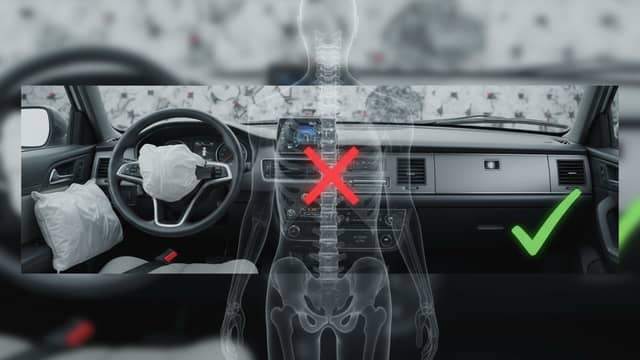
Airbag systems save thousands of lives yearly but carry hidden risks and design trade-offs. This article explains how modern airbags work and their documented failures.
Attention assist is a driver monitoring system that detects distraction and drowsiness. This article examines how the technology works, its real safety benefits, and potential limitations.
Collision avoidance systems have become standard in modern vehicles. This article examines how these systems work, their actual safety benefits, and the risks of over-reliance on the technology.
Connected features now define modern driving. This article examines the benefits, the data privacy concerns, and what drivers should know before choosing connected car technology.
Driving aids range from parking sensors to conditional automation. This article examines which systems have evidence of improving safety and which primarily serve marketing.
Smartphone integration now shapes daily routines across devices and services. This article examines the benefits of seamless connectivity alongside the privacy and security trade-offs involved.
Surround view camera systems create a 360-degree view around your car. This article explains how the technology works, its genuine safety advantages, and where it falls short.
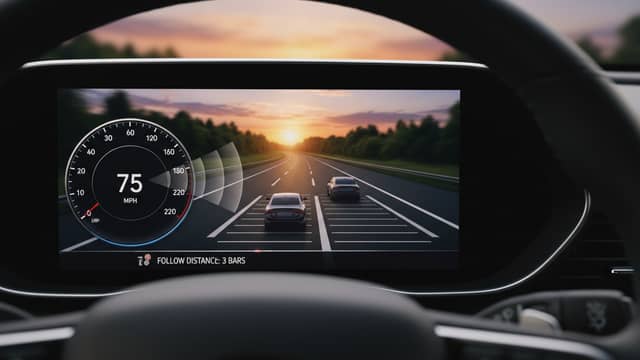
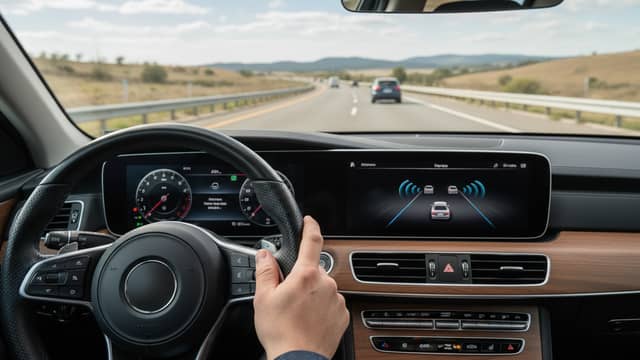
Adaptive cruise controls now appear in nearly two-thirds of new vehicles. This article explains how the technology works, its capabilities, and its real-world limitations.
Best cars with adaptive cruise control vary widely in safety and responsiveness. This article compares leading models and explains how ACC actually performs in real driving.
Car accessories range from practical upgrades to costly hype. This article evaluates 33 accessories, separating those that improve driving experience from those that undermine safety, wallet, or privacy.
Car safety technology prevents millions of injuries and deaths yearly. This article examines which safety systems work, their limitations, and what drivers should understand.
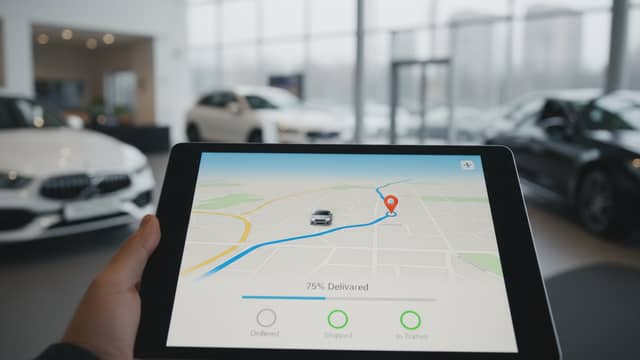
Car delivery tracking systems reveal broken infrastructure, privacy risks, and emotional strain. This article examines the hidden failures and practical strategies to protect yourself.
Car industry news reveals seven major shifts affecting automotive markets in 2025, from AI integration to recalls and tariffs.
Car navigation systems have become standard in new vehicles, but many use outdated maps and carry hidden costs.
Driver education covers more than test requirements. This article examines crash statistics, hidden skill gaps, and what modern driver education must address.
Drowsiness detection addresses a major cause of traffic accidents. This article explains how the technology works and why it matters for driver safety.
Laser headlights are reshaping automotive lighting. This article examines the actual technology, safety improvements, costs, and practical implications for drivers.
Phone key technology is now standard on most new cars. This article examines the security risks, benefits, and how digital car access actually works.
Traffic jam assist is sold as a solution to gridlock stress. This article examines how the technology works, its real limitations, and whether it delivers on its promises.
Car manuals contain critical information most drivers overlook. This article explains which overlooked warnings, settings, and features protect your wallet and safety.
Center screen technology is reshaping modern vehicles. This article examines how center screens affect driver attention, privacy, and the automotive industry's competitive landscape.
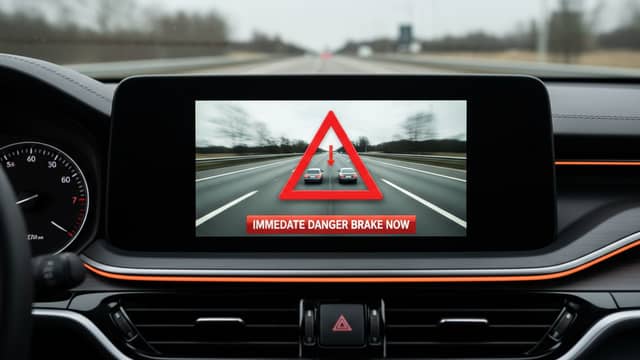
Collision warning systems are now standard in over 94% of new vehicles. This article examines how these systems work, their effectiveness, and their limitations.
Driver assessment has shifted with AI and data-driven evaluation. This article explains the new stakes, hidden metrics, and how modern assessments affect employment and insurance.
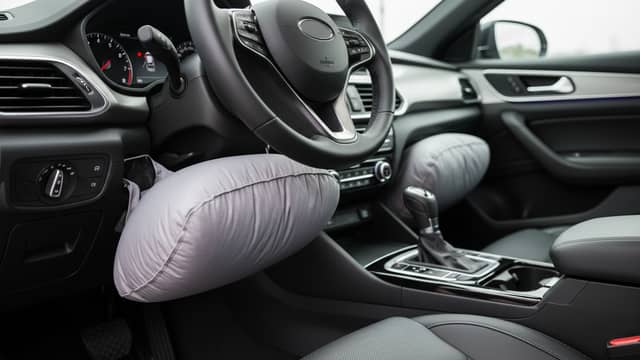
Knee airbags are now common in new vehicles. This article examines what research reveals about their actual effectiveness and role in crash protection.
Smart key technology powers modern cars, but this article examines the hidden costs and security vulnerabilities behind keyless access systems.
Stability control has become central to vehicle safety as the ESC market grows toward $71.7 billion by 2030.
Tech savvy cars promise convenience but come with steep repair bills and privacy risks. This article examines the actual benefits and downsides before you buy.
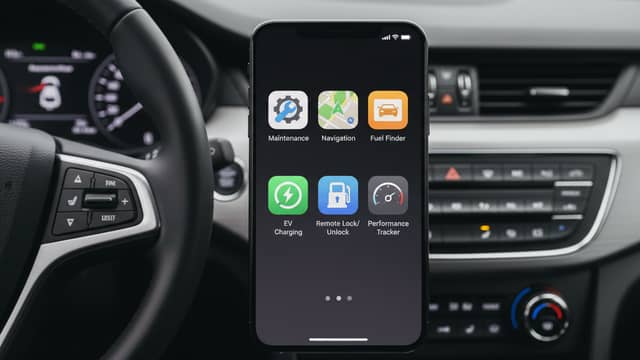
Car apps have become essential to modern driving. This article examines how they work, what data they collect, and the trade-offs between convenience and privacy.
Connected cars collect data while improving safety and convenience. This article examines how they work, what drivers gain, and the privacy implications of constant connectivity.
Men car technology has reshaped automotive pride and status. This article examines myths, real risks, and practical choices for drivers navigating today's tech-driven vehicles.
Wireless features in modern cars offer convenience and connectivity. This article examines how they work, their security implications, and which features deliver real value.
Vehicle recall checks identify safety defects in cars. This article explains why recalls matter, how to check if your vehicle is affected, and what to do next.
Adaptive cruise control has moved from luxury cars to mainstream models. This article examines the real costs, failures, and benefits of the technology in car buying decisions.

Car safety feature comparison examines which technologies reduce fatalities and which create false confidence. The article analyzes real crash data versus marketing claims.