What Driver Monitoring Systems Actually Do in Modern Cars
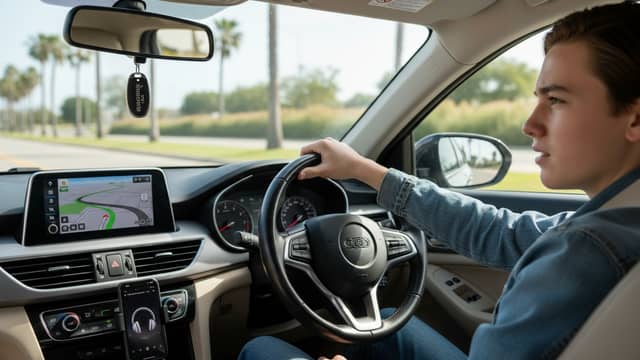
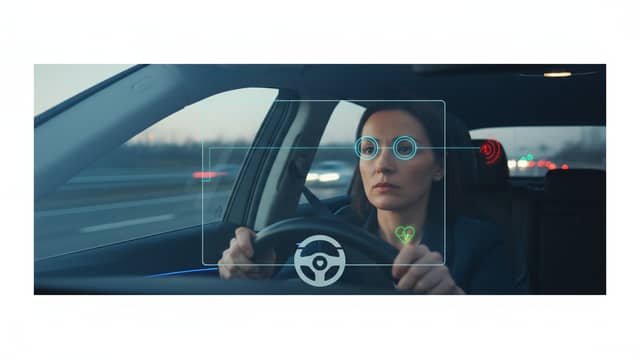
Driver monitoring systems use cameras and sensors to track driver attention. This article explains how they work, why automakers are installing them, and what drivers should know.
172 articles · Page 3
Driver monitoring systems use cameras and sensors to track driver attention. This article explains how they work, why automakers are installing them, and what drivers should know.
Teen driver features can reduce crash risk for young drivers. This article examines which features work, their real effectiveness, and insurance implications.
Voice controls promise convenience but carry real risks. This article examines privacy concerns, accuracy issues, hidden biases, and what the technology actually delivers.
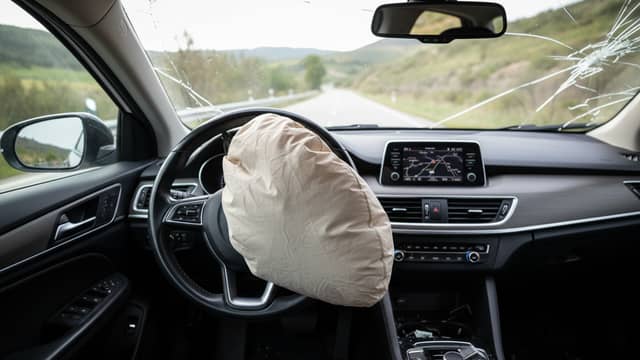
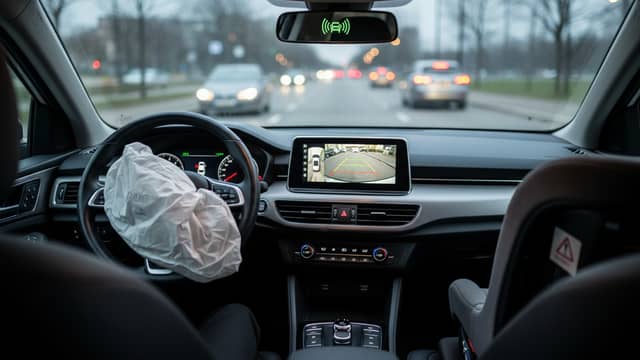
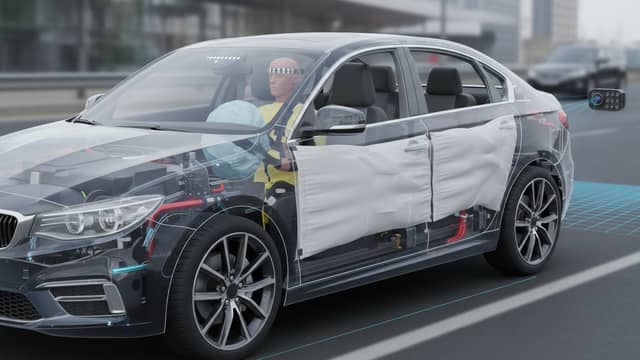
Center airbag technology divides engineers and regulators. This article examines crash data, industry challenges, and what center airbags actually offer vehicle occupants.
Smart car security features have evolved from mechanical locks to encryption and biometrics. This article examines how these security features function and where vulnerabilities remain.

Simple controls are reshaping car design as drivers reject overcomplicated touchscreens. This article examines why intuitive controls matter for safety and usability.
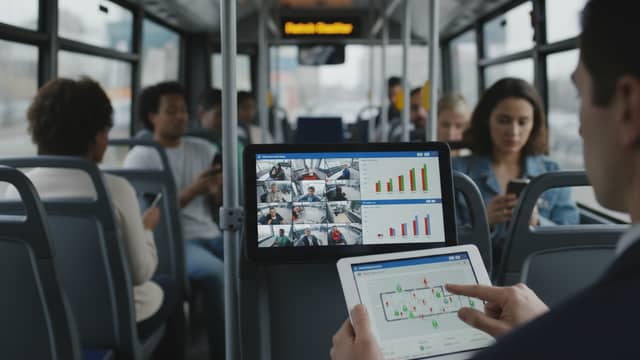
Business car technology is reshaping fleet management and profitability. This article explains the evolution from analog to AI systems and how modern vehicles drive business value.
Emergency braking systems combine real benefits with documented failures and limitations. This article examines what automatic emergency braking actually delivers versus marketing claims.
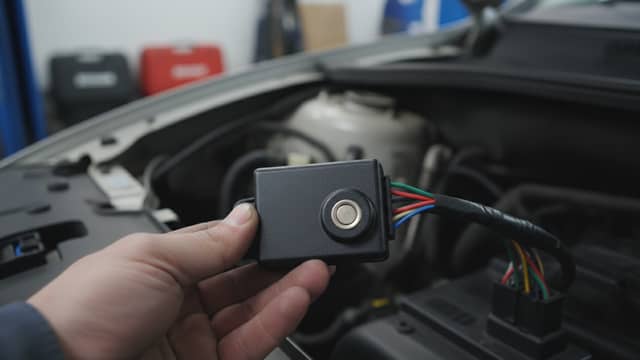
Immobilizers are critical to car security, but thieves' tactics are evolving. This article explains how the technology works, its limits, and where real vulnerabilities exist.
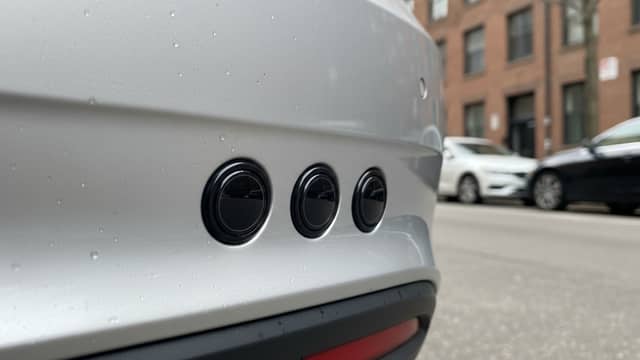
Parking sensors have evolved from luxury gadgets to everyday safety features. This article examines their rise, technical limitations, and why they sometimes fail drivers.
Smart cars combine AI, connectivity, and sensors to reshape driving. This article explains how they work, their real benefits, and the risks automakers downplay.
Car convenience features reshape daily driving. This article identifies which upgrades genuinely improve safety and comfort, and which deliver only marketing appeal.
Gesture control translates hand movements into device commands. This article examines what gesture control actually achieves, where it fails, and when it delivers real benefits.
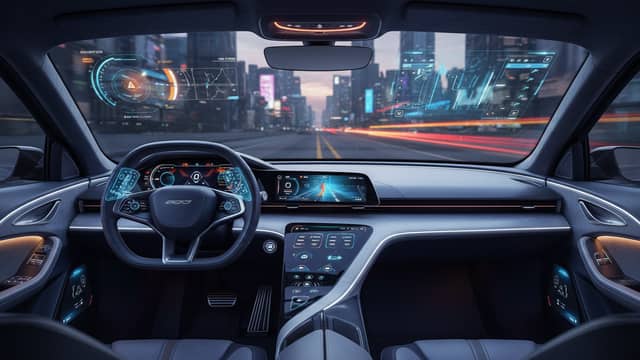
Heads up display technology is reshaping modern driving. This article examines the safety benefits and distraction risks of automotive HUD systems.
Load limiters prevent costly failures and safety disasters. This article examines how they work, why they matter, and the risks of inadequate systems.
Analog gauges offer clarity and reliability in modern vehicles. This article explains why they remain indispensable alongside digital dashboards and their safety advantages.
Autonomous car trends reveal a gap between marketing promises and reality. This article examines the setbacks, liabilities, and actual progress in self-driving technology.
The car future involves electric vehicles, AI, battery supply chains, and data collection. This article examines 11 major shifts reshaping how people drive and buy cars.
Car safety features often underperform in real conditions. This article explains which systems fail drivers, hidden risks automakers obscure, and how to protect yourself.
Car safety features explained with research-backed facts on crash prevention systems, ADAS, and vehicle technology. This article separates myths from protections that matter.
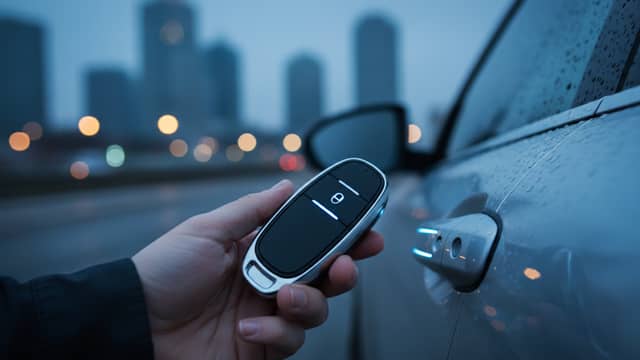
Keyless entry has become standard in modern cars. This article examines the security vulnerabilities, the convenience trade-offs, and what drivers should know about the technology.
Passenger monitoring has evolved from basic seatbelt sensors to in-cabin surveillance. This article examines how automakers use passenger monitoring technology and its implications for driver safety and privacy.
Traffic features are redefining driving with advanced technology designed to steer and stop. This article examines the safety benefits and new risks these features introduce.
Emergency systems integrate AI networks and cloud connectivity, but failures are rising. This article examines hidden risks and how to select a reliable system.
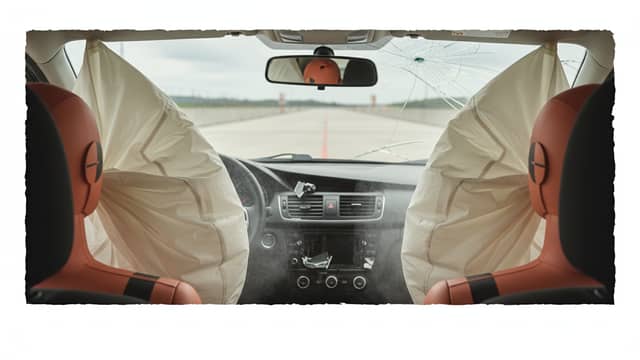
Front airbags have saved tens of thousands of lives, but also carry injury risks. This article examines their evolution, documented failures, and what drivers should know.
Motion sensors are now embedded across buildings, vehicles, and cities. This article explains how they function, their applications in security and automation, and the privacy considerations they raise.
Ownership tools manage digital access to assets like cars and phones. This article examines who controls these tools and what real ownership means in 2025.
Software updates are essential for security but carry hidden costs. This article examines the benefits, risks, and practical decisions users face with updates.
Voice control in cars promises safer driving but carries hidden risks. This article examines the technology's benefits, drawbacks, and real-world impact on drivers.
Biometric features promise convenience and security in cars. This article examines how they work, the privacy risks they pose, and what drivers should know.
Car augmented reality fuses digital overlays with driving through heads-up displays. This article examines both the safety benefits and distraction risks of the technology.
Car technology is reshaping how we drive and buy vehicles. This article examines the real impact of automotive innovation, including safety advances, hidden costs, and ongoing industry changes.
Car technology trends in 2025 include digital cockpits, adaptive seating, and data collection. This article examines the innovations, hidden risks, and what buyers should understand before purchasing.
Driver assistance systems are widespread in modern cars, but the technology has limits. This article explains what driver assistance can and cannot do, and the risks buyers should understand.
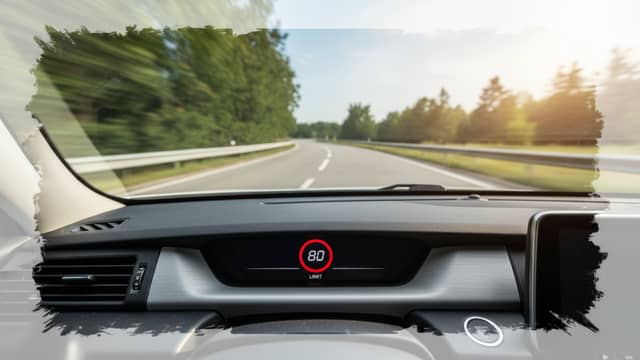
Speed limiting regulations are expanding globally in 2025. This article examines the safety claims, cultural resistance, and technology behind speed limiting mandates.
App control has transformed modern vehicles, but raises questions about ownership and privacy. This article examines how digital access is reshaping automotive freedom.
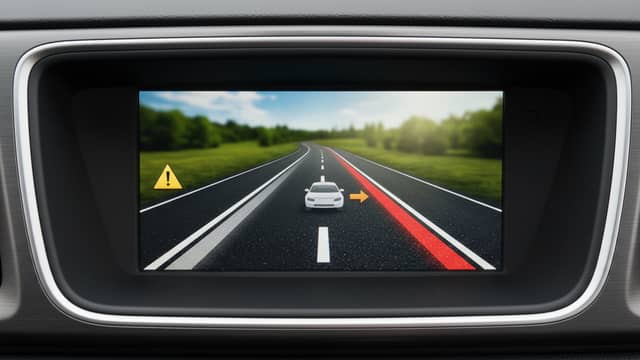
Lane departure warning alerts drivers to unintended lane drift. This article examines how the technology works, its effectiveness, and the risks of driver over-reliance.
Turn signals are skipped by nearly half of drivers when changing lanes. This article examines why drivers neglect them and the safety consequences.
Audio cues shape how we drive, decide, and navigate modern life. This article examines the science behind these signals and their role in the attention economy.
Car gadgets have evolved from novelties to essential tools. This article reviews 27 upgrades worth your money, explains which deliver real benefits, and identifies common pitfalls.