

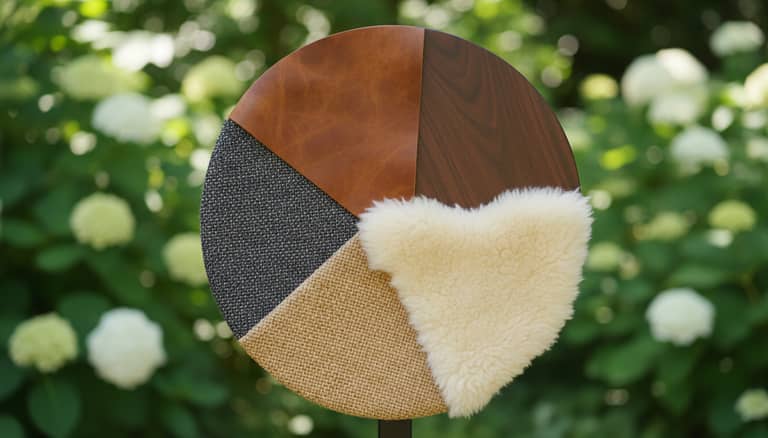
Seat Materials Decoded: Health, Status, and the New Eco Math
Written with AI assistance under our editorial guidelines
Seat materials significantly influence car buyer satisfaction, comfort, health, and vehicle resale value. Beyond aesthetics, the choice between leather, fabric, synthetics, and specialized materials affects posture support, temperature regulation, and perceived brand status. This decision involves real trade-offs between luxury appeal, practical durability, health considerations, and environmental impact in today's vehicle market.
Take a moment to really consider what you’re sitting on right now. Is it buttery leather, crisp fabric, or some clever synthetic posing as luxury? For most drivers, seat materials are little more than an afterthought—a background detail in the theater of car buying. Yet, beneath the surface, your choice of seat material operates like a silent influencer, quietly shaping your comfort, your health, your status, and even the resale value of your vehicle. In the era of electric vehicles, eco-anxiety, and design one-upmanship, the debate over leather vs. vegan leather, fabric vs. microfibers, or memory foam vs. old-school padding isn’t just for connoisseurs. It’s a high-stakes game with real trade-offs, hidden hazards, and a handful of myths that cost buyers dearly. Buckle up: you’re about to discover the gritty, surprising, and sometimes controversial reality behind car seat materials in 2025.
The hidden power of seat materials: Why what you sit on matters more than you think
First impressions and secret signals
Step inside any car—before you notice the engine note or tech gadgets, you’re sizing up the seats. The tactile rush of soft leather, the cool resilience of modern synthetics, or the honest warmth of woven fabric sends an instant message about what kind of driver belongs here. According to recent insights from the J.D. Power 2024 U.S. Seat Quality and Satisfaction Study, seat comfort and quality consistently rank among the top three factors influencing new-car satisfaction. The material isn’t just a sensory detail—it’s a statement about luxury, cleanliness, and brand identity.

"You can spot a car's true intent the moment you sit down," says Lisa, automotive designer. “Seat materials project the brand’s ethos and the owner’s priorities before the key even turns.”
In the world of automotive psychology, seat materials serve as cultural shorthand. Leather whispers exclusivity; fabric suggests practicality. Alcantara and other high-tech fabrics hint at performance or eco-awareness. In a sea of digital dashboards, material choice remains an analog signal—one that’s difficult to fake.
Beyond aesthetics: The science of comfort and fatigue
A seat isn’t just about looks; it’s ground zero for all-day comfort or creeping fatigue. Poorly chosen seat materials can turn a daily commute into a test of endurance, amplifying heat, trapping moisture, or failing to support proper posture. Recent data from J.D. Power shows that vehicles with poorly designed or inadequately adjustable headrests receive nearly six times as many comfort complaints. Material matters more than most realize: leather may feel plush but can become unbearably hot in summer, while fabric stays cooler but sometimes lacks the “wow” factor. Innovations like memory foam inserts and ventilated micro-perforated surfaces are rewriting the comfort equation.
| Seat Material | Heat Retention (1-5)* | Breathability (1-5)* | Long-Term Comfort (1-5)* |
|---|---|---|---|
| Genuine Leather | 4 | 2 | 3 |
| Synthetic Leather | 5 | 2 | 3 |
| Fabric (Woven) | 2 | 4 | 4 |
| Alcantara | 3 | 4 | 5 |
| Memory Foam Hybrid | 3 | 5 | 5 |
*1=Low, 5=High
Source: Original analysis based on J.D. Power 2024, Automotive Seat Market 2024
These differences aren’t trivial—long drives, extreme climates, or frequent short trips can exaggerate each material’s pros and cons, affecting everything from sweat patches to back pain. Even minor differences, like the nap of a fabric or the density of a foam core, can compound into a daily source of irritation or satisfaction.
Status, stigma, and the culture of car interiors
Material choice isn’t merely about comfort or aesthetics; it’s a cultural statement. Leather seats were once the ultimate flex, signaling wealth and taste. Now, eco-conscious buyers sometimes see animal hides as a throwback, while “vegan leather” and upcycled microfibers are status symbols among a new vanguard. Meanwhile, fabric—often dismissed as cheap—has quietly become a choice for those in the know, thanks to its breathability and evolving textures.
- Reduced theft risk: Less ostentatious seat materials can make a car less appealing to thieves.
- Unique textures and colors: Unconventional fabrics or microfibers can set your car apart, acting as a conversation starter for enthusiasts and passengers.
- Conversation starter: Explaining the story behind a niche material (like recycled ocean plastics or cactus-based leather) instantly marks you as an insider.
Cultural perception is shifting: an “eco-upholstery” badge can now carry as much cachet as a luxury brand logo, particularly in progressive urban environments. Yet, the stigma lingers, and many buyers still equate “genuine leather” with prestige, often to their own discomfort.
From horsehair to high-tech: The evolution of seat materials
A brief history of automotive upholstery
If you think the seat material debate is new, think again. The history of automotive seats is a microcosm of changing tastes, technologies, and economic realities. Early cars used horsehair and mohair, chosen for their resilience and availability—hardly the lap of luxury. By the 1950s, vinyl ruled the mass market, offering easy cleaning and a “modern” look. Leather took over luxury segments in the 1970s, while synthetics and advanced textiles surged in the 1990s and 2000s.
- 1900s: Horsehair and mohair used for padding and covering due to their natural resilience.
- 1920s: Woven wool and broadcloth become mainstream, bringing warmth and style.
- 1950s: Vinyl explodes in popularity for easy-clean interiors and splashy colors.
- 1960s: Leather establishes dominance in luxury vehicles.
- 1970s: Synthetic leather (“pleather”) begins to challenge traditional hides.
- 1980s: Velour and new textiles gain traction, adding comfort and color variety.
- 1990s: Microfiber and advanced foams enhance comfort and durability.
- 2000s-2020s: Vegan leathers, Alcantara, and memory foam hybrids respond to eco and health trends.
Each milestone reflects not just a material innovation but a shift in what society values—durability, cleanliness, sustainability, or status.
The rise and fall of real leather
For decades, real leather was the undisputed king of car interiors. It meant luxury, status, and—ironically—comfort, even as it required religious levels of maintenance. Fast-forward to 2025, and even some top-tier brands are ditching animal hides in favor of sustainable synthetics and bio-based alternatives. According to industry sources, this isn’t just a publicity stunt: the market for real leather is shrinking as consumers demand ethical sourcing and climate accountability.

The pivot away from leather isn’t just about ethics. Maintenance headaches, hot-and-cold discomfort, and the risk of unsightly cracking have dimmed its shine. As Jamal, a veteran auto restorer, points out:
"Not all leather ages gracefully—sometimes it just cracks," says Jamal, auto restorer.
The reputation of leather, once unassailable, is now up for debate as even luxury badge owners weigh the costs and benefits.
Tech takeover: Smart fabrics and the future of seating
We’re living through a renaissance in seat materials, driven by both tech advances and consumer demand for next-level comfort. Temperature-regulating fabrics, integrated sensors to track posture or driver fatigue, and memory foam hybrids are no longer reserved for concept cars—they’re available in mainstream models. Features like zero-gravity seats, pioneered by brands like Nissan, and massaging lumbar supports blur the line between automotive and high-end furniture.
| High-Tech Material | Temp Regulation | Pressure Sensing | Anti-Microbial | Eco-Friendly | Used In (2025) |
|---|---|---|---|---|---|
| Memory Foam Hybrid | Yes | No | Yes | Varies | Mid-luxury sedans, SUVs |
| Active Cooling Fabric | Yes | No | Yes | Yes | Electric, luxury cars |
| Sensor-Embedded Cloth | No | Yes | No | Yes | Premium EVs, fleets |
| Recycled Microfiber | Yes | No | Yes | Yes | Eco/family models |
| Alcantara | No | No | Yes | Varies | Sports/performance |
Source: Original analysis based on Automotive Seat Market 2024, IMARC Group 2024
These innovations aren’t feel-good gimmicks. According to market research, the global automotive seat market has soared to $90.4 billion in 2024, with growth fueled by demand for advanced comfort features—especially in hybrid and electric vehicles.
Leather, fabric, or beyond: The real pros, cons, and controversies
Natural leather: Icon of luxury or outdated dinosaur?
For some, leather remains the last word in automotive opulence. Its tactile feel, unique aroma, and patina over time are unmatched by synthetics. But the story isn’t all sunshine and status. Real leather is vulnerable to cracking, especially in climates with big temperature swings or high sun exposure. Maintenance is a chore—skip conditioning and even premium hides can become a liability. The ethics, too, are fraught: animal welfare, chemical tanning, and water use cast a long shadow. In fact, several luxury brands now offer “leather-free” flagship models.
"Not all leather ages gracefully—sometimes it just cracks," says Jamal, auto restorer.
- Red flags to watch for evaluating 'genuine' leather seats:
- “Bonded” or “split” leather layers masquerading as full-grain.
- Inconsistent color or texture—often a sign of low-quality finishing.
- Overly strong chemical odors (not the classic leather scent).
- Suspiciously low upcharge compared to fabric models.
- Lack of detailed care information in the manual.
Not all that glistens is gold—especially in the world of seat materials.
Synthetic seats: Modern miracle or microplastic menace?
The explosion of synthetic seat options has delivered real gains in affordability and durability, but not without controversy. Polyurethanes and PVC can mimic the look and feel of leather, resist stains, and offer easy cleaning. Yet, these materials are chemically intensive to manufacture and can release volatile organic compounds (VOCs), especially when new or exposed to heat. According to industry studies, microplastic shedding is a growing concern, as is the challenge of recycling at end of life.

The allure of “leatherette” is real: it often outlasts real leather under rough use and costs less to maintain. But as sustainability becomes a mainstream concern, buyers are pushing automakers to disclose not just what’s on the surface, but what’s lurking beneath.
Fabric seats: The underdog’s comeback
Fabric, once dismissed as “economy class,” is enjoying a renaissance. New blends offer luxury textures, impressive durability, and breathability that’s tailor-made for commuters and families. Stain-resistant coatings and easy cleaning make fabric a practical choice for ride-sharers and pet owners. Furthermore, fabrics don’t trap as much heat—an underappreciated asset in sunny climates.
| Fabric Type | Durability (1-5)* | Stain Resistance (1-5)* | Cost (1-5)* |
|---|---|---|---|
| Woven Polyester | 4 | 4 | 1 |
| Nylon Blend | 5 | 3 | 2 |
| Microfiber | 4 | 5 | 2 |
| Eco-Fabric (Recycled) | 4 | 4 | 3 |
*1=Low, 5=High
Source: Original analysis based on J.D. Power 2024, Automotive Seat Market 2024
Fabric’s comeback isn’t just about cost—it’s about comfort in real-world scenarios, from spilled coffee to summer road trips.
Wildcards: Alcantara, vegan leather, and niche options
The seat material landscape isn’t binary. Alcantara, an Italian suede-like microfiber, is prized in high-end sports cars for its grip and aesthetics. “Vegan leathers” now span everything from plant-based plastics to mushroom mycelium composites. Each brings its own quirks: Alcantara resists wear but is tricky to clean; plant-based leathers can be surprisingly tough yet lack the “legacy” feel of the real thing.
- Check the label: Look for manufacturer tags or documentation specifying the material’s composition.
- Touch test: Alcantara feels warm and grippy, while vegan leathers are often cooler and slightly slick to the touch.
- Color depth: High-quality synthetics show consistent, deep coloring; fakes or hybrids may look washed out.
- Ask for care instructions: Premium materials often require unique cleaning routines.
- Smell test: Genuine leather and high-end Alcantara have distinct scents; synthetics often smell of plastic or chemicals.
Learning to identify niche and upscale seat materials is a flex in itself—one that can pay off in both bragging rights and long-term satisfaction.
Health, sustainability, and the seat material dilemma
Allergies, VOCs, and what’s really inside your seat
What you sit on can literally get under your skin. Allergens from animal-based materials, chemical residues from tanning or dyeing, and VOCs from synthetics can all trigger reactions, especially for sensitive individuals. Heat can amplify VOC release, while dust and dander accumulate differently based on the material type.
| Seat Material | Common Health Risks | Mitigation Strategies |
|---|---|---|
| Genuine Leather | Allergens, VOCs | Regular cleaning, low-VOC products |
| Synthetic Leather | VOCs, microplastics | Ventilation, certified low-emission |
| Fabric | Dust, mites | HEPA vacuuming, anti-microbial coating |
| Alcantara | Minimal, dust | Gentle cleaning, anti-static spray |
| Vegan Leather | Additives, VOCs | Choose plant-based, check certifications |
Source: Original analysis based on J.D. Power 2024, IMARC Group 2024
Those with respiratory concerns or allergies should scrutinize seat material choices and opt for low-emission, certified options.
The eco math: Is vegan leather truly green?
Vegan leather sounds like the environmental slam dunk, but the truth—like most eco-claims—is complicated. Many vegan leathers are still petroleum-based, and processing can be energy-intensive. Life cycle analyses reveal that, while animal leathers have a higher initial carbon footprint due to livestock, some synthetics can be worse over the long haul if they’re not recycled. As Priya, a sustainability analyst, notes:
"Eco-friendly doesn’t always mean low-impact," observes Priya, sustainability analyst.
The truly green options are bio-based leathers (like those derived from mushrooms or cacti) and recycled fabrics, but even these come with caveats around durability and recyclability at end-of-life.
Recyclability and end-of-life impact
Not all seats are created (or destroyed) equally. Traditional leathers and many synthetics end up in landfill, where they degrade slowly. Fabrics, especially those made from recycled content, are increasingly part of circular design initiatives. Some automakers offer “closed-loop” programs to recover and repurpose seat materials, but the infrastructure is patchy at best.

The most sustainable seat is one that lasts—and can be reborn as something else at the end of its first life. Make sure to ask about recyclability and manufacturer take-back programs when evaluating your next vehicle.
Real-world case studies: When seat material makes or breaks the ride
Family cars: The stain and snack test
Real families know the truth: a car’s worth is often measured in ketchup stains, mystery crumbs, and the resilience of seat materials under sustained assault. Through extensive hands-on testing, families have found that microfiber and stain-resistant synthetic fabrics generally outperform both leather and basic woven fabric for maintenance and longevity. According to user surveys, vehicles with easy-clean fabrics retained 15% more resale value after five years.
- Spill test: Drip coffee, soda, and sauce onto the seat. Wait 5 minutes.
- Wipe: Use a damp microfiber cloth to clean the spill.
- Dry: Let air dry for 30 minutes.
- Odor check: Smell the seat for lingering odors.
- Abrasion test: Rub with a towel to simulate repeat friction.
- Inspect: Check for stains, pilling, or color loss.
This simple at-home protocol can reveal more about a material’s real-world resilience than any marketing brochure.
Ride-sharing and high-mileage fleets
For ride-sharing pros and fleet managers, seat material is more than an aesthetic issue—it’s a financial one. Vehicles with synthetic seats require fewer deep cleans and suffer less visible wear, directly impacting customer satisfaction and resale value. According to fleet operators, switching from basic fabric to premium synthetic covers cut cleaning costs by 25% and extended the lifespan of interior components.
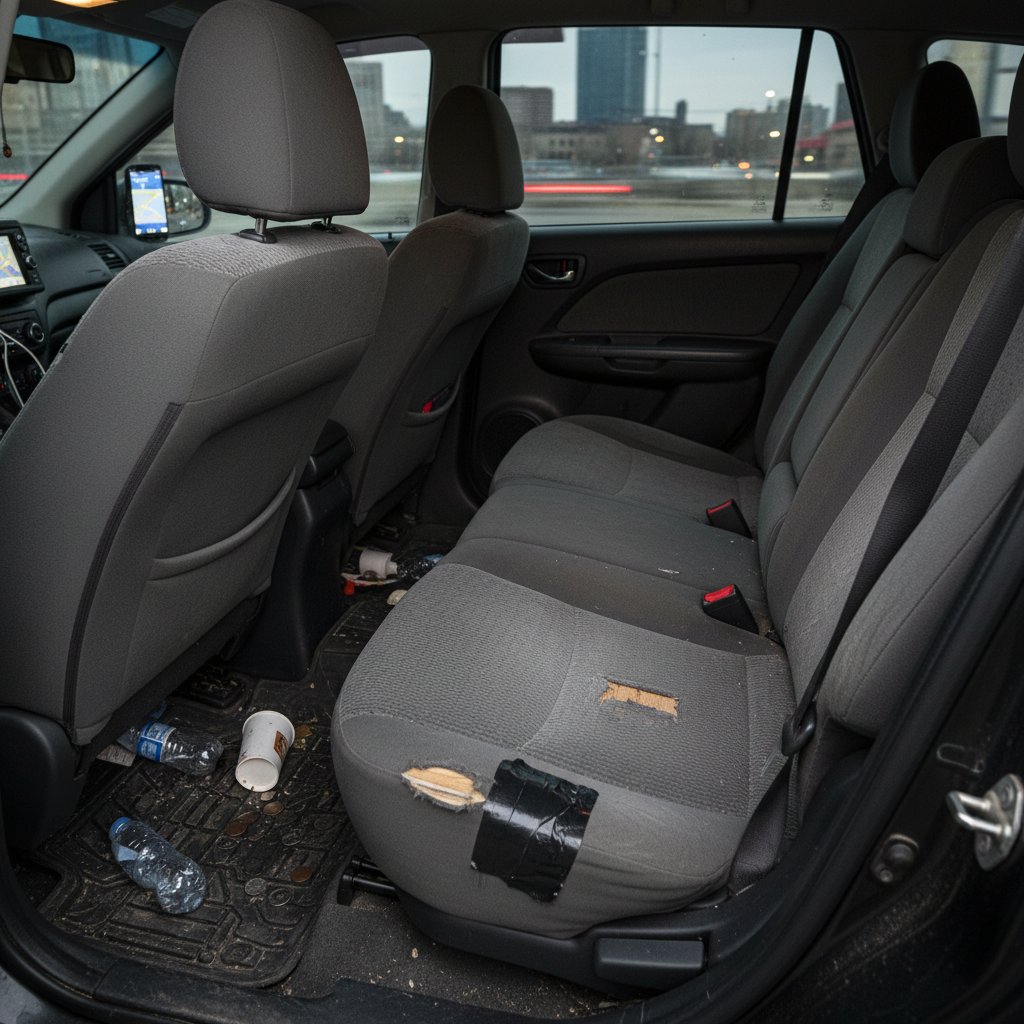
In high-turnover environments, durability and stain resistance trump status every time.
Luxury vs. economy: Where seat comfort really counts
Let’s compare three types of vehicles—a luxury sedan, a mid-range crossover, and an economy hatchback—on seat comfort, material cost, and user satisfaction. According to recent owner surveys and market data:
| Segment | Seat Material | Comfort Rating (1-5)* | Material Cost ($) | User Satisfaction (1-5)* |
|---|---|---|---|---|
| Luxury Sedan | Leather/Memory Foam | 5 | 2,500 | 4.8 |
| Mid-Range SUV | Premium Synthetic | 4 | 1,200 | 4.3 |
| Economy Hatch | Woven Fabric | 3 | 500 | 3.9 |
Source: Original analysis based on J.D. Power 2024, Automotive Seat Market 2024
The data shows a clear, if not surprising, trend: material choice is a major driver of satisfaction—but not always for the reasons buyers expect.
Debunking myths and dodging disasters: What most guides won’t tell you
Common misbeliefs that cost buyers big
The myths about seat materials run deep—and expensive. Many buyers assume leather always outlasts fabric, or that “premium” means hassle-free. The real world is messier.
- Myth: Leather is always the most durable.
- Fact: Synthetics and high-end fabrics often outlast poorly maintained leather, especially in hot climates.
- Myth: All seat covers protect equally.
- Fact: Ill-fitting covers can cause abrasion and trap moisture, accelerating wear.
- Myth: “Vegan leather” is always eco-friendly.
- Fact: Many synthetics are petroleum-based with serious recycling challenges.
- Myth: Cleaning is the same for all materials.
- Fact: Each type needs specific products and techniques to avoid damage.
Believing the hype can cost you in comfort, health, and resale value.
Avoiding hidden deal-breakers on the lot
A sharp eye and a little knowledge can help you dodge disaster when evaluating seat materials in-person.
- Full-grain leather: The highest quality, with the natural grain visible; ages beautifully but needs care.
- Bonded leather: Made from leftovers, glued and pressed into sheets; less durable, prone to peeling.
- Alcantara: Synthetic microfiber, suede-like, grippy; favored in sports cars but needs gentle cleaning.
- Eco-fabric: Textiles made from recycled materials; vary in texture, often highlighted in eco-friendly models.
- Perforated: Small holes for breathability, used in ventilated/heated seats; can accumulate dirt if not maintained.
Knowing these definitions can empower you on the sales floor—and help you avoid “premium” disasters.
How seat materials shape resale value
Seat material isn’t just about the here and now—it directly affects how much you’ll pocket at trade-in. Cars with well-maintained premium seats (regardless of material) command higher resale prices, while those with cracked leather, pilled fabric, or stained synthetics drop in value. According to the used car market, seat condition can swing trade-in offers by up to 10-15% within the same model year.

Seat material is a stealth variable in your car’s long-term value equation—ignore it at your own risk.
Choosing your next seat: Expert strategies for every lifestyle
Matching seat material to your climate and driving habits
Where and how you drive should dictate your seat material choice more than any trend or sales pitch. Hot, humid climates often make fabric or ventilated synthetics a smarter choice, while dry, cool regions might favor leather or Alcantara. High-mileage commuters benefit from supportive memory foam or pressure-relieving fabrics.
- Assess typical weather: Hot/humid = fabric or ventilated synthetic; cool/dry = wider options.
- Consider commute length: Longer drives = prioritize comfort and support.
- Evaluate cleaning routine: Busy life = easy-clean, stain-resistant choices.
- Think about allergies: Sensitive users = hypoallergenic, low-VOC materials.
- Factor in pets/kids: Go for durability and stain resistance.
- Check eco-credentials: Look for recycled/bio-based materials and take-back programs.
- Inspect construction: Quality stitching and padding matter as much as material choice.
- Test in person: Sit, touch, and check for odor before you buy.
Following this checklist is your insurance policy against regret.
The pet-and-kid factor: What really stands up to chaos?
If your life includes drooling dogs, sticky-fingered toddlers, or outdoor adventures, not all seat materials are created equal. In controlled tests and real-world feedback, these seven materials stood out:
- Microfiber: Resists stains, easy to clean, doesn’t trap hair.
- Nylon blends: Tough against claws and spills.
- Premium synthetic leather: Wipes clean, holds up to repeated cleaning.
- Eco-fabric: Good for the environment, often features anti-microbial treatments.
- Alcantara: Grippy but requires careful cleaning.
- Coated textiles: Resistant to water and dirt.
- Memory foam/fabric hybrids: Provide comfort and resilience, though harder to find.
No seat is chaos-proof, but some are lightyears ahead of the rest when tested in the real world.
The futurecar.ai smart assistant perspective
Navigating the maze of seat material options can be overwhelming, especially as technology and sustainability concerns up the stakes. This is where AI-powered platforms like futurecar.ai shine, offering unbiased, research-backed insights and recommendations tailored to your lifestyle, driving habits, and values. Rather than relying on marketing spin, futurecar.ai helps decode the real pros and cons, using up-to-date data and expert analysis to ensure your next seat upgrade is both comfortable and smart.

This kind of personalized digital guidance is rapidly making traditional guesswork obsolete.
The future of seat materials: What’s next and why it matters
Biomaterials, 3D printing, and the new green revolution
Seat materials are at a tipping point, with bio-based leathers, mushroom mycelium, and even 3D-printed foam cores pushing boundaries. According to recent market analysis, bio-based and recycled content is projected to account for a growing share of the $100 billion automotive seat market by 2030, as more consumers demand both luxury and sustainability.
| Material Type | 2024 Market Share (%) | Projected 2030 (%) |
|---|---|---|
| Traditional Leather | 35 | 20 |
| Synthetic Leather | 38 | 30 |
| Fabric (incl. recycled) | 22 | 28 |
| Bio-based/Vegan Leather | 5 | 22 |
Source: Original analysis based on IMARC Group 2024, Automotive Seat Market 2024
The seat of tomorrow may be grown in a lab, printed to custom contours, or made from materials that were once considered waste.
AI, customization, and the death of the ‘standard’ seat
The era of “one-size-fits-all” seating is over. With AI-driven personalization, digital manufacturing, and modular designs, buyers can now specify seat firmness, temperature zones, or even allergen-free fabrics as part of their build. As Mark, an automotive tech lead, succinctly puts it:
"The one-size-fits-all seat is officially dead," says Mark, automotive tech lead.
This shift is more than a gimmick—it’s a response to the real diversity of driver needs and health considerations.
What to expect from tomorrow’s car interiors
Future trends in health monitoring, sustainability, and hyper-customization are reshaping the car interior as both a personal sanctuary and a technological showcase. Expect seamless integration of wellness sensors, sustainable textiles, and smart materials that adapt in real time to your physical state and preferences.

The seat is no longer just another component—it’s the interface between you, your health, and your status on the road.
Supplementary insights: Adjacent topics every buyer should know
How seat materials affect sound and temperature
Beyond touch and appearance, seat materials play a crucial role in your cabin’s acoustics and temperature regulation. Denser materials like leather reflect sound and retain heat, while open-weave fabrics absorb noise and disperse body warmth. This impacts not only comfort but also the perceived “quietness” and luxury of a ride.
The ability of a material to soak up sound waves, reducing cabin noise; fabrics generally excel here.
The tendency of a surface to bounce back sound or heat; leather and synthetics increase echo and warmth.
How quickly a material transfers heat; lower is better for comfort in extreme weather.
Appreciating these nuances helps explain why certain cars feel quieter or more “plush” even before you hit the gas.
The role of seat materials in electric and autonomous vehicles
With the rise of electric and self-driving cars, seat materials are being re-imagined for new priorities. Shared vehicles and autonomous taxis face higher turnover and varied usage, making easy-clean, anti-microbial, and durable materials a must-have. Electric cars, with their silently gliding cabins, demand sound-absorbing fabrics to maintain the luxury vibe.

Material innovation in these new platforms often trickles down, influencing the broader market.
Cross-industry influences: Lessons from aviation, furniture, and fashion
Car interiors have always borrowed ideas from other industries—sometimes with revolutionary results.
- Aviation-grade foams: Introduced for fire resistance and lightness.
- Performance textiles from sportswear: Wetness-wicking, anti-microbial, and breathable fabrics.
- 3D knitting from furniture: Seamless, custom-fit seat covers with less waste.
- High-fashion faux leathers: Eco-friendly options that don’t sacrifice style or texture.
- Recycled ocean plastics: Adapted from clothing to car interiors, closing the loop on material waste.
By watching these adjacent industries, savvy buyers and automakers alike can anticipate the next big thing in seat materials.
Conclusion: Rethinking comfort, status, and what really matters
The seat as a mirror for your values
At the end of the day, your choice of seat material is a powerful reflection of your priorities—comfort, ethics, sustainability, or pure status-seeking. It’s one of the few aspects of car ownership that touches you—literally and figuratively—on every drive. As Alex, a passionate car enthusiast, observes:
"In the end, you’re not just buying a seat—you’re making a statement," says Alex, car enthusiast.
Whether you crave the old-school swagger of leather, the cool logic of cutting-edge synthetics, or the mindfulness of upcycled fabric, the right seat material tells your story.
Action steps for demanding more from your next ride
Don’t settle for marketing buzzwords or dealer dogma. Insist on details, test materials in person, and demand to know the environmental and health costs behind the showroom shine.
- Test seat comfort in various climates and clothing.
- Ask for full material composition and certifications.
- Insist on a cleaning and maintenance guide.
- Compare long-term durability data, not just claims.
- Check for allergy and VOC certifications.
- Investigate end-of-life recycling options.
- Prioritize material fit for your lifestyle—status is worthless if you’re uncomfortable.
- Use resources like futurecar.ai for unbiased, up-to-date seat material insights.
Making an informed, empowered choice today means enjoying every mile tomorrow—and holding your head high, no matter what you’re sitting on.
Sources
References cited in this article
- J.D. Power 2024 U.S. Seat Quality and Satisfaction Study(jdpower.com)
- Automotive Seat Market 2024(marketresearchfuture.com)
- Global and China Automotive Comfort System Research Report, 2024(prnewswire.com)
- MDPI Sustainability: Smart Classroom Seating(mdpi.com)
- AutomotiveAmerican.com(automotiveamerican.com)
- GlobalGrowthInsights.com(globalgrowthinsights.com)
- Market.us: Leather Sofa Market(news.market.us)
- Custom Market Insights: Leather Car Seat Market(custommarketinsights.com)
- Future Market Insights: Automotive Seating Systems(futuremarketinsights.com)
- NextMSC: Smart Fabrics Market(nextmsc.com)
- Liberty Leather Goods: Leather vs Cloth Seats(libertyleathergoods.com)
- RCFact: Fabric vs Leather Car Seats(rcfact.com)
- Alcantara Sustainability Report 2024(sustainabilityreport.alcantara.com)
- NextMSC: Vegan Leather Market(nextmsc.com)
- The Lancet: Environmental sustainability of health systems(thelancet.com)
- Sustainable Materials Conference 2023(sustainablematerials-expo.com)
- Aircraft Interiors International 2023 Seating Review(aii.mydigitalpublication.co.uk)
- Grand View Research: Aircraft Seating Materials(grandviewresearch.com)
- British Airways Business vs Economy Review 2023(captainluxe.com)
- Autonomous.ai: Mesh Office Chair Myths(autonomous.ai)
- Seat Cover Guide: How to Choose Car Seat Cover Material(seatcoverguide.com)
- Allied Market Research: Seat Covers Market(alliedmarketresearch.com)
- IMARC Group: Automotive Seat Market(imarcgroup.com)
- Seat Cover Solutions: Material Matters(seatcoversolutions.com)
Find Your Perfect Car Fast
Futurecar.ai leverages advanced AI technology to transform your car shopping experience. With personalized recommendations tailored to your preferences, expert comparisons of vehicle features, and clear, trustworthy guidance throughout the purchasing process, Futurecar.ai streamlines your decision-making. Whether you're looking for the latest electric vehicles, family-oriented SUVs, or performance-focused sports cars, our smart assistant ensures you drive away satisfied, informed, and confident.
Get startedFind Your Perfect Car Today
Join thousands making smarter car buying decisions with AI
Frequently Asked Questions
Why do seat materials matter beyond just looking nice?
Seat materials influence multiple aspects of your driving experience, including comfort, health, vehicle resale value, and the overall impression of luxury and brand identity. According to the J.D. Power 2024 U.S. Seat Quality and Satisfaction Study, seat comfort and quality consistently rank among the top three factors influencing new-car satisfaction.
What do different seat materials signal about a car or driver?
Seat materials serve as cultural shorthand in automotive psychology: leather whispers exclusivity, fabric suggests practicality, and high-tech fabrics like Alcantara hint at performance or eco-awareness. These material choices project the brand's ethos and the owner's priorities before the car even starts.
How can poorly chosen seat materials affect driving comfort?
Poorly chosen seat materials can turn a daily commute into a test of endurance by amplifying heat, trapping moisture, or failing to support proper posture, leading to creeping fatigue over time.
What are the main seat material options discussed in this article?
The article discusses leather, vegan leather, fabric, microfibers, Alcantara, memory foam, and traditional padding as seat material options, each with different trade-offs in terms of comfort, sustainability, and perceived luxury.
Continue Reading
Explore more from Smart car buying assistant

Seat Comfort Decoded: Science, Trade‑offs and the Seats to Avoid
Discover insights about seat comfort

Car Interior Material Quality: What Affects Your Health and Comfort
Car buying interior material quality affects both comfort and health. This article examines the hidden risks, industry practices, and how to evaluate materials before purchase.

Seat Heating: Technology, Health Effects, and Real Costs
Seat heating evolved from luxury feature to standard amenity. This article explains the technology, health considerations, and long-term costs of heated car seats.

Interior Materials: Separating Fact From Marketing Claims
Interior materials shape comfort, health, and cost. This article examines which claims are backed by evidence and which are marketing, covering cars, homes, and workspaces.

Car Seat Comfort and Its Impact on Driver Health
Car buying seat comfort comparisons reveal how seat design affects long-term health. This article explains why commute comfort matters and how to evaluate seats before purchase.

Seat Ventilation: Comfort Benefits and Hidden Drawbacks Explained
Seat ventilation offers real comfort benefits but comes with hidden costs. This article explains how the technology works, its actual health impacts, and whether the investment pays off.


