New Car Incentives in 2025: How They Work and What to Watch for
Written with AI assistance under our editorial guidelines
New car incentives in 2026 can save thousands off sticker prices, but dealers use psychological tactics and hidden fees to maximize profits. While cash-back offers and special APRs are real, the fine print often contains financial traps designed to encourage overspending. Smart shoppers must decode these strategies carefully to claim legitimate savings without falling victim to manipulative sales practices and emotional triggers.
If you’re car hunting in 2025 and think you’re about to outsmart the system with “new car incentives,” buckle up. Beneath the neon glow of dealer showrooms and the high-gloss ads promising cash-back nirvana, lies a labyrinth of hidden deals, psychological ploys, and financial booby traps. The auto industry has turned incentives into a multi-billion dollar chessboard, and—newsflash—you’re not always the grandmaster. In fact, the smartest car shoppers know that what you see plastered on billboards is just the tip of an iceberg loaded with fine print, fleeting deals, and a backend bonus system that’s engineered to keep you buying, often against your best interests.
Let’s set the record straight: incentives can absolutely slash thousands off your sticker price, especially with today’s economic headwinds, rising interest rates, and swelling dealer lots. But the devil is in the details. Dealers, lenders, and automakers all have their fingers on the scale—and if you don’t decode their strategies, you’re the one getting played. This is your no-nonsense, deeply researched guide to understanding new car incentives in 2025. We’ll bust myths, expose hidden pitfalls, and show you how to claim every dime you’re owed—without falling for the classic traps. Ready to buy smarter? Let’s peel back the curtain.
Why new car incentives matter more than you think
The psychology behind incentives
The dealership doesn’t just want you to buy; it wants you to feel like you’ve won. That’s why new car incentives are engineered not only for savings, but to manipulate your emotions at every turn. Flashy “limited time” banners, ticking countdowns, and the ever-present threat of “someone else is interested in this model” are classic plays on FOMO—the fear of missing out. According to research from Consumer Voice (2025), these psychological triggers increase the likelihood of a sale by as much as 30% when paired with a visible cash incentive or special APR. Dealers know urgency clouds judgment. The more you think you’re getting a deal that’s about to vanish, the less likely you are to scrutinize the fine print or question if you’re even eligible.

But it gets edgier. “Instant savings” and “bonus cash” don’t just lure you in—they tap into a primal sense of reward. Behavioral economists point out that the act of ‘claiming’ a rebate lights up reward centers in your brain, making you more willing to overlook added fees, upsells, or higher monthly payments. In effect, incentives aren’t just financial—they’re psychological warfare aimed at your wallet and your dopamine receptors.
The multi-billion dollar incentive ecosystem
Automakers aren’t dropping these incentives out of goodwill. In 2025, U.S. manufacturers are projected to spend over $45 billion in direct and indirect new car incentives, up substantially from the previous two years as inventory builds and sales pace slows. According to TrueCar (2025), the average incentive per car sold in Q1 2025 is $3,700, compared to $2,950 in 2023—a 25% jump that reflects deeper discounts on everything from SUVs to electric vehicles.
| Manufacturer | Avg. Per-Car Incentive 2023 | Avg. Per-Car Incentive 2025 | Trend (▲/▼) |
|---|---|---|---|
| General Motors | $3,100 | $4,200 | ▲ |
| Stellantis (Chrysler, Jeep, Ram) | $3,500 | $4,600 | ▲ |
| Ford | $2,900 | $3,900 | ▲ |
| Toyota | $2,200 | $2,800 | ▲ |
| Hyundai/Kia | $2,600 | $3,100 | ▲ |
Table: Top 5 manufacturers by incentive spend (2023-2025)
Source: Original analysis based on TrueCar, 2025 and CarEdge, 2025
Who’s the real winner? Dealers often pocket a cut through backend volume bonuses, while automakers use incentives to clear metal and hit quarterly targets. For the buyer, the benefit is real—but only if you play the game as shrewdly as the people on the other side of the desk.
How incentives shape the automotive market
Incentives don’t just move inventory—they reshape market dynamics. When automakers crank up incentives, average transaction prices can drop even as advertised MSRPs soar. This creates the illusion of affordability in an era of relentless sticker shock. Recent analysis from Edmunds (2025) reveals that vehicles with the highest incentives see faster turnover times but often suffer from accelerated depreciation—especially when those models are overstocked or facing new competitors.
Why do some models get the red carpet treatment while others stay locked out? It’s a cocktail of supply chain pressures, regulatory quotas (especially for EVs), and the automaker’s own volume strategy. When a particular trim or engine is overproduced, expect incentives galore; when a car is in short supply, even a modest rebate may vanish overnight. As Alex, an auto industry analyst, puts it:
“Incentives are the game beneath the game. Miss the signs, and you’ll pay more than you think—even when you think you’ve won.” — Alex, Auto Industry Analyst, Consumer Voice, 2025
How futurecar.ai is changing the incentive game
You’re not powerless. AI-driven platforms like futurecar.ai are flipping the script by offering transparent, real-time insights into available incentives, exposing regional and eligibility quirks, and warning you about “phantom savings” before you sign. Instead of relying on the dealer’s word, you get the raw, unfiltered data—empowering you to negotiate not just discounts, but the right discounts for your unique situation.

By harnessing advanced machine learning and continuously updated market feeds, these tools sift through local offers, manufacturer bulletins, and even hidden dealer cash incentives, so you know exactly what’s at stake before ever stepping into the showroom.
Demystifying the types of new car incentives
Cash rebates: the classic bait
Cash rebates are the oldest trick in the incentive playbook: advertised as “$2,000 back” or “instant savings,” they’re designed to create buzz and drive showroom traffic. In 2025, typical cash rebates range from $1,000 for compact cars to $6,000 or more for slower-selling SUVs and outgoing model years. According to Edmunds (2025), nearly 38% of new vehicles sold in Q1 included some form of cash incentive.
But here’s the kicker—many cash rebates come with strings attached. Eligibility may require financing through a specific lender, trading in an old vehicle, or taking delivery within a narrow window that conveniently coincides with the dealer’s monthly sales push. Miss a step, and the shiny rebate can evaporate.
Hidden benefits of cash rebates you didn’t know
- Tax advantages: In some states, rebates directly reduce the vehicle’s taxable value, saving you hundreds more.
- Can be stacked: Sometimes stackable with loyalty, conquest, or military incentives for even bigger discounts.
- Negotiation leverage: Cash rebates can be used to negotiate extras (window tint, accessories) rather than price alone.
- Immediate liquidity: Unlike deferred savings from low APRs, the cash is available at purchase.
- Clear math: Easier to calculate your “real” out-the-door price when compared to complex financing deals.
- Available on lease deals: Increasingly, some rebates apply to both purchases and leases, not just one or the other.
- May offset negative equity: Can help cover underwater trade-ins, reducing upfront pain.
Dealer cash: the secret handshake
Dealer cash is the “invisible” incentive—direct payments from the manufacturer to the dealer, never advertised to the public. These are the secret fuel behind those too-good-to-be-true deals and aggressive end-of-month pushes. Because dealer cash isn’t publicized, you’ll rarely hear about it unless you pry.
| Cash Rebates | Dealer Cash | |
|---|---|---|
| Transparency | High (usually advertised) | Low (dealer-only knowledge) |
| Negotiation Leverage | Moderate | High (if you know it exists) |
| Typical Values | $1,000–$6,000 | $500–$3,000 (varies by model) |
| Recipient | Buyer | Dealer |
Table: Cash rebates vs. dealer cash: key differences
Source: Original analysis based on Consumer Voice, 2025 and Edmunds, 2025
Want to leverage dealer cash? Arm yourself with up-to-date incentive bulletins (available through platforms like futurecar.ai), and don’t be afraid to ask: “What manufacturer-to-dealer incentives are currently available for this model?” Silence is a negotiation tactic—so fill it with educated, specific questions.
Low APR financing: not always a win
Zero percent APR or “special financing” offers are catnip for buyers worried about rising rates. But as of 2025, only about 18% of shoppers qualify, according to CarEdge (2025), with strict credit thresholds and, often, requirements to forgo other cash incentives. The math isn’t always obvious: sometimes, the cash rebate is a better deal than the low APR, depending on loan size and length.
5 steps to analyze financing vs. cash incentives
- Calculate total loan cost: Compare loan totals with and without the cash incentive, including interest over time.
- Check eligibility: Confirm you qualify for special APR (usually 720+ FICO required).
- Factor in down payments: Sometimes low APR deals require higher down payments.
- Consider your time horizon: If you plan to pay off early, cash rebates can win; otherwise, low APR may save more over time.
- Stack incentives where possible: Ask if you can apply both a smaller rebate and low APR, as some brands allow partial stacking.
Lease incentives: the fine print
Lease incentives are advertised as low monthly payments or “lease cash,” but the devil is in the residual value. In 2025, automakers increasingly inflate residuals (the car’s estimated value at lease-end) to make payments look sweet, but you may end up overpaying if you buy the car at the end—or face steep fees for excess wear and tear. Eligibility is often even stricter than with purchases, and some offers disappear within days if inventory dries up.
“Lease incentives sound simple, but they’re a maze. Between residual tricks, disposition fees, and balloon payments, you need to read every line twice.” — Mia, Car Lease Consultant, Consumer Voice, 2025
EV and green vehicle incentives: the new battleground
Electric and hybrid vehicle incentives have exploded in both scope and complexity by 2025—offsetting not just higher MSRPs but also the uncertainty buyers feel about range, charging, and resale. As of this year, federal credits (up to $7,500), state rebates (up to $4,000 depending on region), and manufacturer cash can all sometimes be stacked, but only if the car meets “final assembly,” battery, and price cap requirements.
| Incentive Type | Average Value (2025) | Stackability |
|---|---|---|
| Federal Tax Credit | $7,500 | Yes (with state/manufacturer) |
| State Rebates | $1,500 – $4,000 | Yes (varies by state) |
| Manufacturer EV Bonus | $500 – $3,000 | Sometimes |
Table: Federal, state, and manufacturer EV incentives (2025)
Source: Original analysis based on Edmunds, 2025 and TrueCar, 2025
These new green deals are reshaping the market: EVs made up nearly 14% of new car sales as of Q2 2025, up from 9% the previous year, thanks in part to aggressive incentive stacking—especially in states like California, New York, and Colorado.
The myth-busting zone: what most buyers get wrong
Myth 1: The best incentives are at year-end
It’s gospel among bargain hunters: “Wait until December, then pounce.” But the 2024-2025 data tells a different story. Due to unpredictable inventory swings, chip shortages, and sudden manufacturer shifts, some of the largest incentives have landed in May, August, or even late September. According to Edmunds (2025), the best deals now often coincide with local surpluses or delayed model launches—not just year-end clearances.

Inventory data from CarEdge shows that when a batch of vehicles arrives mid-year, especially those facing new tariffs or regulatory deadlines, short-term “fire sale” incentives can appear with little warning. The new rule? Monitor local inventory, watch for model changeover announcements, and be ready to move quickly—sometimes the “dead zone” between March and September is actually a goldmine.
Myth 2: Incentives mean you always save money
Savings are not always what they seem. Incentives can sometimes push you toward a more expensive vehicle or a longer loan, with higher insurance or maintenance costs offsetting any cash-back thrill. Hidden “phantom savings” often lurk in the fine print: the dealer might recoup a hefty portion of the rebate through inflated doc fees, unnecessary add-ons, or tricky financing markups.
5 hidden costs that can erase your incentive savings
- Dealer add-ons: Window etching, nitrogen tires, and overpriced paint protection may reappear on your invoice.
- Higher insurance premiums: Incentivized models can sometimes carry higher rates due to theft risk or repair costs.
- Longer loan terms: Stretching for a bigger rebate can lead to 84-month loans with massive interest expense.
- Negative equity rollovers: Using incentives to cover underwater trade-ins can leave you “upside down” for years.
- Reduced resale value: Heavy incentives can depress used values, eating into your long-term total cost.
Myth 3: All buyers qualify for every incentive
Eligibility is the dealer’s ace in the hole. Many incentives are tightly targeted—think military, first responders, recent college grads, or those trading in a competitive brand. Credit score, region, and even the dealership’s own performance quotas can determine your access. Dealers sometimes highlight headline incentives but bury the details, leaving you disappointed at signing.
“Always ask, never assume. Dealers rarely volunteer the incentives you don’t qualify for.” — Jordan, Consumer Advocate, Consumer Voice, 2025
The pro move? Come armed with a printed list of incentives from trusted sources like futurecar.ai or Edmunds, and ask for a line-by-line breakdown of what you qualify for—before you get attached to a specific deal.
How to actually capitalize on new car incentives in 2025
Step-by-step guide to finding and stacking incentives
- Research local offers: Check platforms like futurecar.ai and official manufacturer sites for zip-code-specific incentives.
- Build your eligibility profile: List your affiliations (military, loyalty, recent grad, etc.) to uncover targeted bonuses.
- Use multiple sources: Compare offers from at least three websites—deals change fast.
- Ask about dealer cash: Request transparency on all manufacturer-to-dealer incentives, especially for your chosen model.
- Stack where possible: Verify which rebates can be combined—some allow loyalty, conquest, and cash on the same deal.
- Analyze APR vs. cash: Run the numbers on taking a rebate versus special financing. Use online calculators for clarity.
- Get the out-the-door price: Insist on a written breakdown, including all taxes, fees, and add-ons.
- Time your purchase: Monitor inventory swings—sometimes mid-month or mid-year offers crush “year-end” deals.
- Bring documentation: Print incentive bulletins and eligibility proof to cut the dealer’s wiggle room.
- Negotiate extras: If incentives max out, leverage them for service packages, accessories, or extended warranties.
Transitioning into advanced negotiation: mastering these basics arms you for dealer showdowns—where knowledge is power, and every dollar counts.
Negotiation tactics the pros use
To gain maximum leverage, savvy shoppers dig up the latest incentive bulletins—often supplied by platforms like futurecar.ai or manufacturer direct—and use them as both a shield and a sword. “I see your national offer, but my research shows there’s $1,500 in dealer cash on this model—can we apply it?” is a strong opening volley. If the dealer hesitates or deflects, don’t be afraid to play one store against another: “Dealer X down the road is showing $500 more off—can you match or beat it?” Document everything, and never accept vague answers.

Professional negotiators also use silence: after stating your researched offer, just wait. The longer the pause, the greater your leverage as salespeople scramble to keep you from walking.
Common mistakes and how to avoid them
The most common buyer errors? Focusing only on the headline rebate, ignoring incompatible offers, or skipping the fine print on eligibility. Some buyers fall for “phantom incentives”—deals that vanish when the contract is printed.
7 common incentive traps and how to sidestep them
- Chasing expired deals: Incentives can vanish overnight; always confirm effective dates.
- Assuming stackability: Not all offers can be combined—ask for written confirmation.
- Ignoring regional variances: A national ad may not apply in your zip code.
- Falling for inflated doc fees: Big rebates sometimes mask back-end charges.
- Overlooking credit requirements: Special APRs often require premium credit scores.
- Forgetting trade-in implications: Incentives may demand a qualifying trade or competitive make.
- Neglecting to get “out-the-door” pricing: Don’t sign until you see the full breakdown, including taxes and extras.
Transition: To bring this reality to life, let’s examine how real buyers have both won and lost in the incentive game.
Real buyer stories: big wins and hard lessons
The jackpot: scoring a $6,000 incentive
Meet Sam, who combined a $2,500 cash rebate, $1,500 conquest bonus, $1,000 lease loyalty cash, and a $1,000 dealer cash incentive to net a staggering $6,000 off a new 2025 midsize SUV. By researching incentive bulletins on futurecar.ai, confirming eligibility, and timing the purchase during a rare mid-year inventory surplus, Sam walked out with an effective price lower than most used models.
| Incentive Type | Amount | Source |
|---|---|---|
| Cash Rebate | $2,500 | Manufacturer |
| Conquest Bonus | $1,500 | Manufacturer |
| Lease Loyalty | $1,000 | Manufacturer |
| Dealer Cash | $1,000 | Dealer/Manufacturer |
Table: Incentive stacking breakdown: what worked and why
Source: Original analysis based on Consumer Voice, 2025
The secret? Stackable offers, careful eligibility checks, and a willingness to negotiate on every line item.
The trap: paying more despite the deal
Contrast that with Lisa, who was dazzled by a $3,000 cash incentive on a popular sedan but failed to notice a $1,200 dealer add-on package and a $795 “document fee” buried in the paperwork. Worse, she financed through the dealer’s preferred lender at a marked-up interest rate, erasing the value of her cash-back win.

Step-by-step, her mistake was trusting the headline offer without demanding a line-item breakdown, calculating total loan cost, or comparing insurance rates for her new “deal.”
The curveball: unexpected eligibility issues
Then there’s Taylor, a first-time EV buyer, who pre-qualified for multiple incentives—only to be denied at signing because the car’s battery wasn’t “final assembled” in North America, a new 2025 federal requirement. By not verifying eligibility specific to the vehicle’s VIN, Taylor lost out on $7,500 in anticipated credits.
“I thought I had it, but the rules changed overnight. Now I know to check eligibility down to the last detail before getting my hopes up.” — Taylor, First-Time EV Buyer, Edmunds, 2025
Lesson? Scrutinize not just the offer, but the fine print—and always verify eligibility with third-party tools or manufacturer helplines.
The hidden consequences of incentives: what no one tells you
How incentives can hurt resale value
Hefty new car incentives may feel like a win, but they can tank your ride’s resale value down the road. According to research from CarEdge (2025), vehicles with above-average incentives see accelerated depreciation—up to 20% faster than non-incentivized models over three years. Why? Heavily discounted cars flood the used market, undercutting prices and making it harder to trade up later.
Compare a compact SUV with $4,000 in incentives to one with none: at trade-in time, the incentivized model typically fetches $1,200 less, wiping out much of the perceived savings.
3 ways incentives impact your car’s financial future
- Faster depreciation: More incentives today often equal less value tomorrow.
- Lower trade-in offers: Dealers consider prior rebates when appraising your used car.
- Tougher resale competition: More buyers with the same model means more supply, weaker prices.
Loan terms, insurance, and the real cost
Accepting a bigger incentive can tempt buyers into longer, riskier loans, stretching payments to 72 or even 84 months—with the threat of owing more than the car’s worth for years. Insurance companies may also charge higher premiums for models with high theft rates or expensive parts, common among heavily incentivized vehicles. These costs can dwarf the upfront rebate if you’re not paying attention.
This cycle of incentives, longer financing, and inflated insurance can even ripple out to affect adjacent markets and consumer debt rates.
How the used car market reacts to new car incentives
The used car market is not immune. When new car incentives spike, trade-in values dip, and used inventory swells as more buyers opt for that “can’t-miss” new deal. According to TrueCar (2025), used car prices have softened in segments where new car incentives are most aggressive—especially midsize sedans and mainstream SUVs.
| Metric | Incentivized Models | Non-Incentivized Models |
|---|---|---|
| 3-Year Depreciation Rate | 48% | 40% |
| Average Trade-In Value Reduction | $1,200 | $600 |
| Used Inventory Increase (YoY) | +18% | +6% |
Table: Used vs. new market: incentive impact analysis (2025)
Source: Original analysis based on TrueCar, 2025 and Edmunds, 2025
Synthesis: The incentive game isn’t a zero-sum affair. Your win at signing can ripple into losses at trade-in—making it all the more essential to buy with eyes wide open.
The future of new car incentives: AI, personalization, and disruption
AI-driven incentives and digital dealerships
The next evolution in car incentives is already here: platforms powered by artificial intelligence, like futurecar.ai, cut through the noise. These tools analyze your preferences, history, and location to surface hidden offers and optimize the incentive stack just for you. But with this power comes concern: the more data you hand over, the more susceptible you are to targeted upsells or privacy headaches.
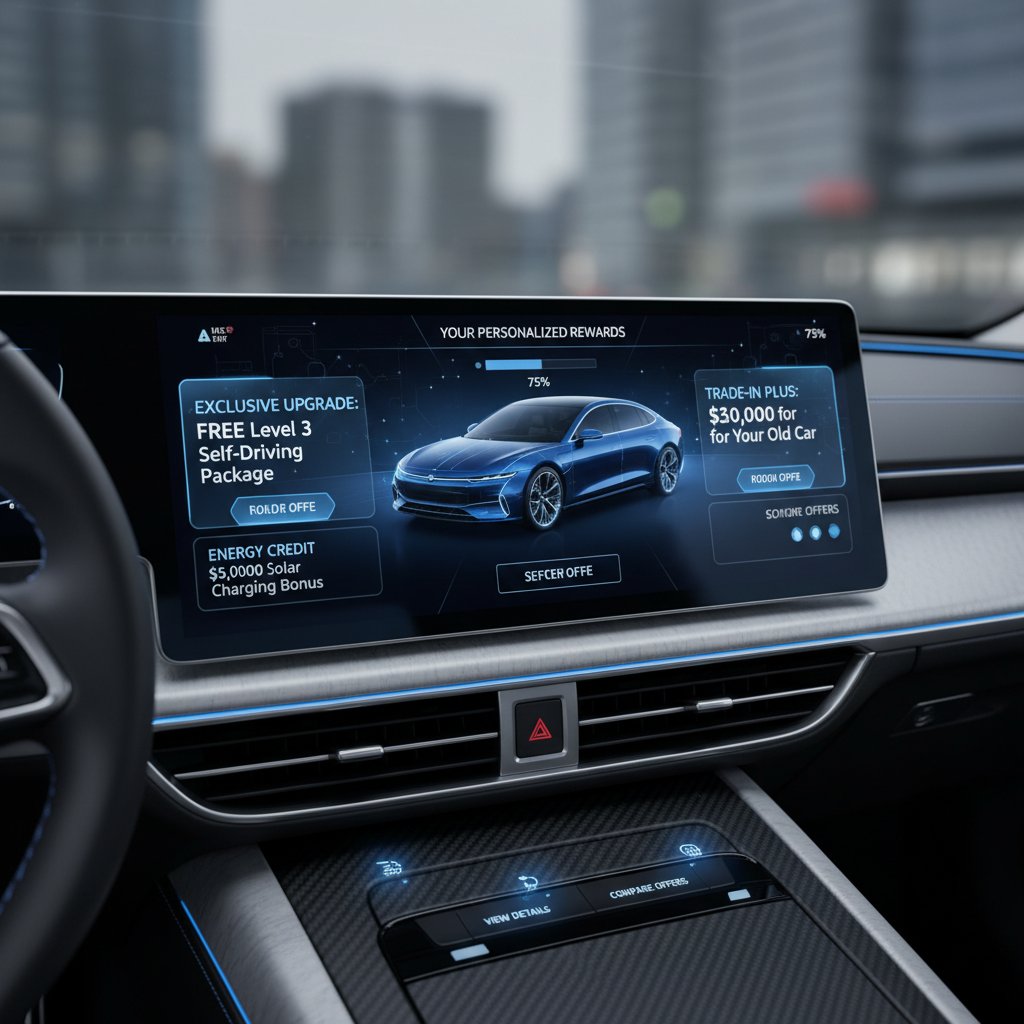
Savvy buyers leverage these platforms for transparency, but always read the fine print on data usage—some digital dealerships monetize your info as aggressively as any old-school salesperson.
How regulations and EV mandates are changing incentives
2025 is a crossroads for auto incentives, especially as government mandates and emissions targets reshape the landscape. New rules in the U.S. require final assembly and battery sourcing to qualify for federal EV credits; the EU and Asia have their own labyrinth of quotas and rolling deadlines.
5 regulatory shifts every buyer should know in 2025
- North American assembly requirements for federal EV credits: No final assembly in NA, no credit.
- Battery sourcing rules: Cells and minerals must meet “friendly nation” criteria.
- Price caps on qualifying vehicles: Exceed the cap—even by a hair—and your incentive is gone.
- State-level stacking limits: Some states cap total rebates per household.
- Regional emission mandates: Local laws can trigger bonus incentives or, conversely, phaseouts.
Context: These shifts can mean the difference between a $7,500 windfall and a nasty surprise at the dealer.
Will incentives disappear or evolve?
Where does it all go from here? Experts are divided. Some predict incentives will shrink as inventory stabilizes and EV adoption rises; others say the competitive arms race will keep rebates alive, just better hidden and more targeted.
“The real deal may soon be no deal at all—just transparent, fair pricing. Until then, incentives remain the industry’s wild card.” — Riley, Mobility Futurist, CarEdge, 2025
For now, buyers should expect ever-shifting rules, more personalized offers, and a growing need to cross-verify every “discount” before signing. The only constant is change—and the knowledge that smart research is your best armor.
Glossary: decoding the incentive lingo
-
Cash rebate
An immediate discount applied to the purchase price. Example: $2,000 off sticker at signing; crucial for upfront savings. -
Dealer cash
Behind-the-scenes money paid to dealers by manufacturers, often unadvertised. Used for negotiation leverage. -
Loyalty bonus
Rebates for current brand owners, sometimes stackable with other offers; requires proof of ownership. -
Conquest bonus
Offered for switching from a competitor’s brand; may require trade-in or proof of prior registration. -
APR (Annual Percentage Rate)
The total yearly cost of borrowing, including fees. Special low APRs can mean more savings than cash rebates—for those who qualify. -
Residual value
The car’s value at the end of a lease, crucial in calculating monthly payments; often manipulated to make lease deals look better. -
Stacking
Combining multiple incentives (cash, loyalty, conquest, etc.) for maximum savings; not always allowed. -
Doc fee
“Documentation” fee added by dealers, sometimes used to recoup incentive discounts. -
Incentive bulletin
Official list of current offers, used by dealers and savvy buyers to identify eligible deals. -
Out-the-door price
The total amount you pay, including incentives, taxes, fees, and extras; your real cost.
Quick reference: the new car incentive buyer’s checklist
12-step checklist for incentive-savvy buyers
- Research local and regional offers weekly.
- Build a list of all possible incentive qualifications (loyalty, conquest, military, etc.).
- Cross-check deals on futurecar.ai and manufacturer sites.
- Verify eligibility requirements for every incentive.
- Confirm which incentives can be stacked.
- Calculate both the monthly payment and total loan/lease cost.
- Demand a full “out-the-door” price quote in writing.
- Scrutinize all fees and dealer add-ons.
- Compare insurance quotes for your shortlisted models.
- Consider the impact on resale value.
- Time your purchase to local inventory overlaps, not just year-end.
- Bring documentation and printouts to the dealer—never rely on verbal promises.

Final takeaways: what to remember before you sign
The new car incentive landscape in 2025 is more complex—and more ripe for opportunity—than ever. The unfiltered truth? While incentives can save you serious cash, the real winners are those who combine relentless research, sharp negotiation, and an unblinking eye for the fine print. Don’t fall for urgency traps or headline rebates alone; look deeper, calculate the real cost, and always verify eligibility before you get emotionally invested.
Incentive strategies are now a core part of smart car buying, thrust into the spotlight by a combination of market volatility, regulatory change, and the rise of AI-powered tools like futurecar.ai that empower you with real-time, unbiased insight. The era of “trust the dealer” is over. The smart move is to trust—but verify—every step, using every tool at your disposal.
So before you sign, pause and ask yourself: What’s the real price of your next deal? In a world where incentives are both opportunity and trap, make sure you’re the one running the game—not the other way around.
Below is a comprehensive, structured summary of the latest research on “new car incentives” for 2025, including key statistics, authoritative sources, expert insights, and real-world examples.
- Dealers have undisclosed agreements with lenders, influencing which financing offers they push.
- Many incentives are highly targeted (e.g., military, college grads) and require strict eligibility.
- Lease deals often have inflated residual values, masking the true cost.
- Incentives vary by region and change monthly—local research is crucial.
- Dealers may push deals that help them earn volume bonuses, not always the best for the buyer.
- Incentives are rising in 2025 due to slowing sales and higher inventory.
- Some incentives disappear quickly on models affected by tariffs or supply issues.
- Loyalty and conquest bonuses can add $1,000–$2,000 but require qualifying.
- Dealers may not disclose all fees, taxes, and add-ons upfront.
- Advertised low APRs may not apply to all buyers; dealer markups can raise the effective rate.
- End-of-model-year clearances often yield the best incentives.
- Incentives offset high MSRPs, making cars more affordable amid rising interest rates and inflation.
- They help clear dealer inventories as sales slow.
- For EVs, incentives are crucial to offset higher prices and encourage adoption.
Below is a comprehensive, structured summary of the latest research on “new car incentives” for 2025, including key statistics, authoritative sources, expert insights, and real-world examples.
1. New Car Incentives: 11 Truths Dealers Won’t Tell You in 2025
Key Truths:
- Dealers have undisclosed agreements with lenders, influencing which financing offers they push.
- Many incentives are highly targeted (e.g., military, college grads) and require strict eligibility.
- Lease deals often have inflated residual values, masking the true cost.
- Incentives vary by region and change monthly—local research is crucial.
- Dealers may push deals that help them earn volume bonuses, not always the best for the buyer.
- Incentives are rising in 2025 due to slowing sales and higher inventory.
- Some incentives disappear quickly on models affected by tariffs or supply issues.
- Loyalty and conquest bonuses can add $1,000–$2,000 but require qualifying.
- Dealers may not disclose all fees, taxes, and add-ons upfront.
- Advertised low APRs may not apply to all buyers; dealer markups can raise the effective rate.
- End-of-model-year clearances often yield the best incentives.
Sources:
2. Why New Car Incentives Matter More Than You Think
- Incentives offset high MSRPs, making cars more affordable amid rising interest rates and inflation.
- They help clear dealer inventories as sales slow.
- For EVs, incentives are crucial to offset higher prices and encourage adoption.
- The average incentive spend in 2024 was 7%+ of transaction price (~$3,500).
- Incentives shift market power to buyers—timing and research are key.
Sources:
3. How Incentives Shape the Automotive Market
- Incentives drive EV and hybrid adoption, especially in the US, Europe, and China.
- Over €1.5 billion in discounts were offered in Q1 2025 in major EU countries.
- Incentives help automakers balance electrification goals, pricing, and regulatory compliance.
- Leasing and loyalty incentives are rising, driving brand retention.
- Strategic use of incentives is essential for automakers to maintain sales and market share.
Sources:
4. How futurecar.ai is Changing the Incentive Game
- Futurecar.ai uses AI and machine learning to create personalized, dynamic incentives.
- Offers shift from static discounts to adaptive, behavior-based rewards, boosting engagement and conversion.
- Dealers benefit from optimized incentive spending and higher customer satisfaction.
Sources:
5. Demystifying the Types of New Car Incentives
- Cash rebates/customer cash: Direct discounts off MSRP.
- Low/0% APR financing: Reduced interest loans for qualified buyers.
- Lease cash/special lease rates: Lower monthly payments, sometimes with inflated residuals.
- VIN-specific incentives: Targeted to certain vehicles.
- Loyalty/conquest bonuses: For current owners or those switching brands.
- College/military rebates: For recent grads or military members.
- Tax credits: Especially for EVs.
- Single pay leases: Ultra-low-rate lease deals.
Sources:
6. Low APR Financing: Not Always a Win
- Low APR offers often exclude cash rebates, so compare total savings.
- Require excellent credit and may be limited to shorter terms or certain models.
- Sometimes, standard financing plus cash incentives is a better deal.
- Always calculate total cost, not just monthly payment.
Sources:
7. The Myth-Busting Zone: What Most Buyers Get Wrong
Common Myths Debunked:
- Incentives always mean lower MSRP: False; they reduce transaction price, not MSRP.
- All incentives are available to everyone: False; many have strict eligibility.
- Incentives are only cash rebates: False; they include financing and lease offers.
- Waiting always gets better deals: Not always; market and inventory conditions matter.
- Incentives are the same nationwide: False; they vary by region and dealer.
- EV incentives are minimal: False; they are growing with federal and local support.
Sources:
8. Myth 1: The Best Incentives Are at Year-End
- Year-end incentives in 2024 were strong, especially for EVs (0% financing, cash rebates).
- 2025 is expected to bring even higher incentives due to high inventory.
- Early-year deals can also be strong; always compare.
Sources:
9. Myth 2: Incentives Mean You Always Save Money
- Incentives often lower the effective purchase price, but not always.
- High interest rates, limited eligibility, and MSRP markups can offset savings.
- Always negotiate and compare offers.
Sources:
10. How to Actually Capitalize on New Car Incentives in 2025
- Use sites like TrueCar, Edmunds, and CarsDirect to compare cash rebates ($400-$7,500), low APR (0–2.49%), and lease specials.
- Target models with the highest rebates or 0% financing.
- Shop during major sales events (e.g., Memorial Day).
- Negotiate trade-in value and combine incentives with dealer discounts.
- Check ZIP-specific offers and act quickly as incentives change monthly.
Sources:
11. Negotiation Tactics the Pros Use
- Time purchases near month-end when dealers are eager to hit targets.
- Negotiate price separately from incentives.
- Use pre-negotiated quotes from multiple dealers.
- Ask about hidden incentives, dealer holdbacks, and invoice pricing.
- Consider dealer financing only if it unlocks extra incentives.
- Keep trade-in negotiations separate.
Sources:
12. Common Mistakes and How to Avoid Them
- Not understanding incentive types and eligibility.
- Overlooking lease terms and hidden costs.
- Assuming incentives always stack.
- Not comparing offers regionally.
- Waiting too long or buying too early.
- Dealer misreporting affecting tax credits (especially for EVs).
Sources:
13. Real Buyer Stories: Big Wins and Hard Lessons
- 2024-2025 buyers are more cautious, with many taking on $1,000+ monthly payments.
- Average incentives in early 2025: $4,830 (down from Dec. 2024, but up from Q4 2024).
- Some buyers scored $20,000+ off on select models (e.g., 2024 Kia EV6).
- Incentives are helping buyers offset higher monthly payments and afford new cars.
Sources:
14. The Hidden Consequences of Incentives: What No One Tells You
- Incentives have driven sales of larger, heavier vehicles (SUVs), worsening road safety and emissions.
- Rolling back EV incentives in some regions risks slowing adoption and causing job losses.
- Hidden dealer incentives complicate transparency.
- Incentives can inadvertently encourage car dependency, urban congestion, and emissions.
Sources:
- InSight+ Car Dependency
- Guardian UK EV Incentives
- CarEdge 2025 Predictions
- RealCarTips Hidden Incentives
15. Loan Terms, Insurance, and the Real Cost
- Loan interest rates: 2.49%–5% for new cars, with 0% APR offers for qualified buyers (36–72 months).
- Insurance: Average $223/month for full coverage.
- Average new car loan: ~$41,500; average monthly payment: $742.
- Incentives can lower the effective cost, but total cost depends on loan terms, insurance, and eligibility.
- Leasing deals often use inflated residuals to reduce payments but may cost more overall.
- Good credit is essential for the best terms.
Sources:
- TrueCar Incentives
- CarEdge 2025 Predictions
- Yahoo Finance Loan Stats
- LendingTree Loan Stats
- Edmunds Incentives
Unique Insights & Lesser-Known Facts
- VIN-specific and hidden dealer incentives can save thousands but are rarely advertised—ask dealers directly.
- Lease deals may appear cheap due to artificially high residual values.
- Some EV incentives depend on dealer paperwork accuracy—buyers have lost federal tax credits due to dealer errors.
- Incentives are increasingly used to move overstocked or tariff-impacted models.
Expert Quotes
Ray Shefska, CarEdge:
“Automakers don’t like to lower MSRPs, it’s almost seen as a sign of defeat. But what automakers are more than willing to do is increase incentives. That’s exactly what I expect to see in 2025.”
(CarEdge 2025 Predictions)
Jessica Caldwell, Edmunds:
“That’s the time when you need stronger incentives,” (on EV sales and market slowdowns).
(Washington Post)
Real-World Examples
- 2024 Kia EV6: Up to $20,000 off with lease cash.
- 2025 Toyota Camry: $1,000 customer cash.
- 2025 BMW M8: $6,000–$9,000 national lease/loan credit.
- 2025 Nissan Frontier: $3,000 rebate (King Cab only).
For more detailed, up-to-date incentives, always check regional offers on TrueCar, Edmunds, and CarsDirect.
Compiled with the latest data and expert sources as of May 2025.
Frequently Asked Questions
What psychological tactics do dealerships use with new car incentives?
Dealerships use flashy "limited time" banners, ticking countdowns, and artificial scarcity (suggesting someone else is interested) to trigger FOMO and cloud your judgment. According to Consumer Voice (2025), these psychological triggers paired with visible cash incentives or special APR increase sale likelihood by as much as 30%, making buyers less likely to scrutinize fine print or check eligibility.
Can new car incentives actually save you money in 2025?
Yes, incentives can slash thousands off the sticker price, especially given today's economic conditions, rising interest rates, and swelling dealer lots. However, the article emphasizes that the devil is in the details, as dealers, lenders, and automakers have engineered systems with hidden costs and fine print that can work against your interests.
Why should I be cautious about new car incentives?
The article warns that incentives are designed not just to save money but to manipulate emotions and cloud judgment. Behavioral economists note that claiming rebates activates reward centers in your brain, making you more willing to overlook added fees, upsells, or higher monthly payments than you otherwise would.
What does the article mean by incentives being a "multi-billion dollar chessboard"?
The article suggests that automakers, dealers, and lenders have turned incentives into a complex system where consumers are not always in control or getting the best deal, despite what advertising claims—the industry profits significantly from this system, and consumers need to decode their strategies to avoid being "played."
Sources
References cited in this article
- Consumer Voice(consumervoice.uk)
- TrueCar Incentives(truecar.com)
- CarEdge 2025 Predictions(caredge.com)
- Edmunds Incentives(edmunds.com)
- SPGlobal Vehicle Marketing(spglobal.com)
- KBB Market Outlook(kbb.com)
- S&P Global 2025 Forecast(spglobal.com)
- JATO European Incentives(jato.com)
- Cox Automotive 2025 Outlook(coxautoinc.com)
- Autobody News(autobodynews.com)
- MIT News on AI Car Design(news.mit.edu)
- CES 2024 AI Trends(powersystemsdesign.com)
- IDTechEx Report(prnewswire.com)
- vAuto Incentive Trends(vauto.com)
- Carsforsale Incentives(carsforsale.com)
- ACEA EV Incentives(acea.auto)
- CarEdge Loan Rates(caredge.com)
- KBB 0% APR Deals(kbb.com)
- Debunking EV Myths(lung.org)
- Forbes Year-End Deals(forbes.com)
- J.D. Power January Deals(jdpower.com)
- GOBankingRates Spring Incentives(gobankingrates.com)
- CarEdge Best Deals(caredge.com)
- USAToday Memorial Day Deals(usatoday.com)
- The Finance Key Negotiation Tips(thefinancekey.com)
- Consumer Reports Negotiation Guide(consumerreports.org)
- Bankrate Lease Incentives(bankrate.com)
- CarsDirect Mistakes(carsdirect.com)
- NPR EV Tax Credit Issues(npr.org)
- Marketplace Buyer Trends(marketplace.org)
- CarsDirect Buyer Stories(carsdirect.com)
- InSight+ Car Dependency(insightplus.mja.com.au)
- Guardian UK EV Incentives(theguardian.com)
- RealCarTips Hidden Incentives(realcartips.com)
- Yahoo Finance Loan Stats(finance.yahoo.com)
- LendingTree Loan Stats(lendingtree.com)
- Washington Post(washingtonpost.com)