

Car Buying Data-Driven Tools That Beat Sales Tactics in 2025
Written with AI assistance under Smart car buying assistant's editorial guidelines. Editorial guidelines
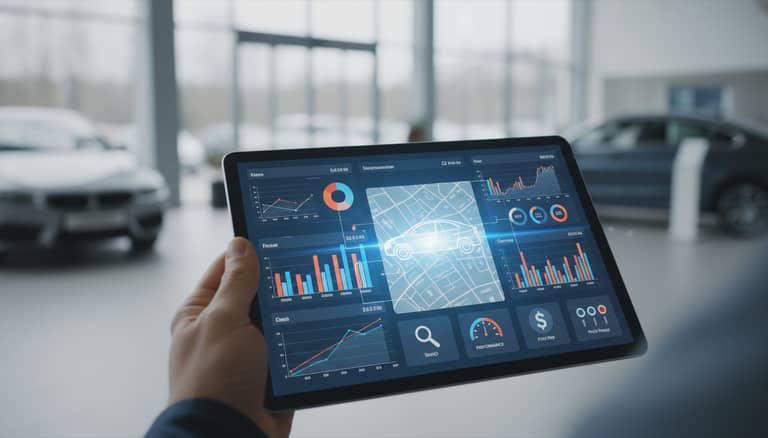
Data-driven car buying tools have fundamentally transformed the auto market by providing buyers with real-time pricing, inventory data, and AI-powered negotiation leverage that dealerships previously monopolized. Rather than relying on salespeople's tactics and incomplete information, informed buyers now access market insights that level the negotiating field and help them secure fairer deals based on transparent data instead of manipulation.
Car buying in 2025 isn’t just about haggling over the hood of a sedan while a salesperson feigns heartbreak over your lowball offer. The battlefield has shifted; today, the most brutal advantage isn’t the sharpest tongue, but the sharpest data. Car buying data-driven tools have rewritten the rules—giving you access to real-time pricing, inventory movement, buyer demand trends, and AI-generated negotiation leverage the old guard never imagined. Forget flashy TV commercials and gut-feeling decisions; if you’re still shopping the old way, you’re playing a losing hand. This in-depth guide exposes the secrets, pitfalls, and strategies behind the smartest car buying apps and AI tools now dominating the market. Read closely—because the only thing worse than overpaying is not even knowing you’re the mark.
Why car buying needed a revolution
The old hustle: what car buyers are up against
For decades, car buyers trudged into dealerships with dread, knowing they were stepping into a carefully rigged arena. The sales floor was a theater where information was power—and power was rarely on the side of the buyer. Negotiation tactics relied on obfuscation: confusing fees, trade-in “lowballing,” and finance office misdirection were art forms. You’d spend hours arguing over monthly payments, only to realize you never really knew the real price. According to Number Analytics, 2024, buyers reported feeling overwhelmed, manipulated, and often left questioning whether they got a fair shake. The process was intentionally slow and intimidating, preying on the average consumer’s lack of access to real-time data and market insights.

The lack of transparency wasn’t an accident—it was the business model. Buyers depended on “blue books,” back-of-napkin calculations, or, more often, the salesperson’s word. Every concession felt like a victory, but often, it was a mirage. Information asymmetry let dealerships dictate terms, and buyers, blinded by stress and time pressure, often settled for less-than-ideal deals.
The emergence of data-driven tools
The early 2010s marked the slow death of the “gut feel” deal. As web-based car research exploded, so did the first wave of online comparison sites. Suddenly, buyers had access to aggregated listings, price trends, and user reviews. It was a seismic shift—but still half-measure. These early tools offered static snapshots and often lagged behind the real market. The true revolution came with the arrival of AI and real-time analytics. Tools like CarEdge, Carketa, and VinAudit began to ingest live market data, tracking pricing, inventory, and demand hour-by-hour. Market transparency leapt forward; buyers could now see not just what a car should cost, but what it actually sold for—yesterday, last week, and in their zip code.
This new generation of data-driven car buying platforms didn’t just level the playing field—they gave buyers the keys to the kingdom. According to CarEdge, 2025, advanced algorithms now track price drops, inventory surges, and even flag hidden accident histories or odometer rollbacks in real time.
| Year | Milestone | Key Technology |
|---|---|---|
| 2010 | Rise of online car listings | Aggregated web portals |
| 2014 | Price comparison sites go mainstream | Crowdsourced pricing data |
| 2018 | First AI-driven recommendations | Machine learning, big data |
| 2021 | Real-time inventory analytics | API integration, mobile platforms |
| 2023 | AI-powered negotiation and fraud flags | Predictive analytics, consumer apps |
| 2025 | Full-cycle intelligent car buying | End-to-end AI platforms, seamless digital transactions |
Table: Timeline of car buying evolution—how algorithms replaced guesswork. Source: Original analysis based on Number Analytics, 2024, CarEdge, 2025.
What buyers really want in 2025
Today’s buyers have seen behind the curtain. They demand transparency, speed, and power—the confidence to buy on their own terms, not the dealer’s. The digital generation expects instant access to the truth, not a runaround. In 2025, it’s not just about finding a car; it’s about controlling the entire experience. As one recent buyer put it:
“I just want to know I’m not getting played. Is that too much to ask?” — Alex, car buyer
What does this new breed of car shopper want from data-driven tools? The answers go beyond price. They crave predictive analytics, fraud detection, and unbiased comparisons—plus the ability to negotiate with confidence, armed with hard data, not hope.
Hidden benefits of car buying data-driven tools experts won't tell you:
- Pinpoint underpriced vehicles before anyone else by tracking real-time market shifts and subtle dealer markdowns.
- Get instant alerts on price drops, so you can strike before the crowd piles in.
- Predict future resale values with advanced depreciation analytics, avoiding regretful buys.
- Spot hidden accident histories or mileage tampering undetectable at first glance.
- Negotiate with cold, irrefutable data rather than subjective “manager specials.”
- Uncover factory incentives and rebates buried deep in the fine print.
- Avoid impulse buys by replacing emotion with algorithmic discipline.
- Access unbiased, side-by-side feature comparisons in seconds—no sales pitch required.
- Eliminate wasted hours in showrooms by doing the heavy lifting online.
- Build your own shortlist with AI, not a salesperson’s commission-driven “suggestions.”
Inside the toolbox: how data-driven car buying works
Demystifying the tech: what’s under the hood?
Behind every slick app or online portal is a roaring engine of AI, big data, and real-time analytics. These aren’t your dad’s spreadsheets. At their core, data-driven car buying tools ingest massive streams of listing data, transaction histories, and buyer preferences. Machine learning algorithms parse out anomalies, predict pricing swings, and even score sellers for trustworthiness. According to Carketa, 2025, leading platforms analyze up to 50 data points per vehicle in microseconds—flagging everything from price outliers to suspiciously fast-moving inventory.
Here’s what every modern buyer needs to know:
Essential terms for the modern car buyer:
Decisions grounded in large-scale, real-time data analysis—think pricing trends, demand spikes, and feature popularity. Example: AI flagging a car as overpriced based on 10,000 recent sales.
Machine learning algorithms that tailor car suggestions to your budget, needs, and even lifestyle data. Why it matters: Less guesswork, more precision.
Full visibility into historical prices, inventory shifts, and hidden dealer fees. Context: Makes negotiating less of a gamble.
The platforms changing the game
The arms race in car buying data-driven tools has produced a battlefield crowded with contenders: AI-powered recommendation engines (futurecar.ai, CarEdge), real-time price trackers (Carketa), feature-comparison apps (VinAudit), and negotiation leverage platforms. Each category brings something unique—some focus on deep personalization, while others specialize in raw pricing intelligence or inventory analysis.
| Platform | Feature Set | Pricing Transparency | User Interface | Trust Score |
|---|---|---|---|---|
| futurecar.ai | Personalized AI recs, feature comparisons, ownership cost analysis | High | Intuitive | 5/5 |
| CarEdge | Real-time price tracking, negotiation tips | High | Clean | 4.5/5 |
| Carketa | Dealer inventory intelligence, market alerts | Medium | Business-focused | 4/5 |
| VinAudit | Title history, accident/fraud checks | Medium | Basic | 4/5 |
| Traditional review sites | Editorial reviews, static comparisons | Low | Dated | 2.5/5 |
Table: Comparison of leading car buying data-driven tools in 2025. Source: Original analysis based on VinAudit, 2025, CarEdge, 2025.
The winners? Those who combine transparent, up-to-date data with unbiased recommendations and a frictionless interface.
How futurecar.ai fits into the ecosystem
In this crowded landscape, futurecar.ai has emerged as a trusted resource for unbiased data and clear AI-driven buying insights. Its success lies not in hollow hype but in delivering genuinely actionable intelligence—personalized matches, detailed comparisons, and a ruthless commitment to transparency. For buyers who want an edge but refuse to be manipulated, it’s become a go-to reference point, leveling the playing field against even the most cunning dealership tactics.
The dark side: hidden biases and data pitfalls
Are the algorithms really on your side?
It’s tempting to believe algorithms are dispassionate truth-tellers. Reality check: every recommendation engine reflects the data and incentives it’s fed. If a tool relies on outdated listings or has backroom partnerships with select dealers, its “recommendations” may be stacked against you. Even the best AI can mirror market biases or overlook edge cases—especially in a high-stakes, fast-moving market. According to CompareTheMarket, 2024, over 20% of buyers said they felt nudged toward pricier models or irrelevant add-ons by algorithmic suggestions.
Over-relying on AI for purchases that shape your finances is a risk. Tools are only as honest as their data and algorithms—and as transparent as their creators allow.

When data leads you into a trap
Real-world stories show data isn’t always your friend—sometimes, it’s the snake in the grass. Some buyers have been misled by incomplete or manipulated datasets: hidden accident histories, stale pricing benchmarks, or phantom inventory. One case involved a buyer who trusted a recommendation platform’s “best deal” badge, only to discover post-purchase that the vehicle had undisclosed flood damage—information buried in an unsearched database.
“Not every digital shortcut leads to a better deal. Sometimes you just end up lost.” — Jamie, data scientist
Myth-busting: more data doesn’t always mean smarter decisions
There’s a fine line between informed and overwhelmed. With endless feeds of statistics, price histories, and comparison charts, many buyers experience analysis paralysis—so much data that action feels impossible. A recent study found that while data-driven tools empower many, they also drive regret in a subset of users who second-guess every move.
| Buying Method | Percentage Experiencing Regret (2025) |
|---|---|
| Data-driven tools | 17% |
| Traditional methods | 25% |
Table: Percentage of buyers experiencing regret after using data-driven tools vs. traditional methods in 2025. Source: Number Analytics, 2024.
Real-world stories: buyers who won (and lost) with data-driven tools
Case study: how Sarah hacked the market
Sarah, a tech-savvy first-time buyer, decided to take no chances. Armed with futurecar.ai for feature comparisons, CarEdge for price alerts, and Carketa for inventory trends, she built a shortlist of vehicles matching her budget and must-haves. When a price drop alert hit her phone, she was ready—armed with negotiation leverage. Sarah cross-referenced her pick across multiple platforms and closed a deal 7% below the local average, according to transaction data.

By blending AI recommendations with her own research and skepticism, Sarah skipped the bruising dealer games and walked away with a car—and confidence.
The cautionary tale: when AI missed the mark
Not every story ends in triumph. Javier, a busy professional, put his faith in a single AI recommendation app. The interface was slick, but it masked stale inventory and lacked deep title checks. Two weeks after purchase, he discovered his “deal” was a classic lemon, with hidden engine issues and a mileage rollback. The disillusionment was brutal—but it taught Javier a lesson: no tool is infallible. After the setback, he rebuilt his process, layering in independent VIN checks and crowd-sourced reviews.
What the data-savvy do differently
The buyers who consistently come out ahead share one thing: discipline. They don’t just trust the platform—they interrogate it. They cross-check, verify, and never lose sight of their own priorities. Savvy buyers understand that these tools are weapons, not oracles.
Step-by-step guide to mastering car buying data-driven tools:
- Start with clear non-negotiables: budget, must-have features, and desired models.
- Vet tools for data freshness and transparency—avoid those with outdated or vague info.
- Cross-check price estimates across multiple platforms.
- Use AI for shortlisting, but do your own research on each finalist.
- Run a VIN check for hidden histories.
- Set up alerts for price drops and inventory shifts.
- Review user forums and independent reviews for red flags.
- Negotiate with dealers using your data as leverage.
- Don’t be afraid to walk away if a deal feels off.
- Document your process for future purchases.
The numbers game: what the latest data really says
Pricing, inventory, and buyer behavior in 2025
The market in 2025 is a fever pitch. According to CarEdge, 2025, the average new car monthly payment is $756, an all-time high. Dealers are tightening inventory, pushing more buyers online. Meanwhile, 23.5% of dealer leads still miss 24-hour follow-up, risking 37% of online leads—a data point that shows how digital-native buyers are demanding more, faster.
| Tool | Transparency | Price Accuracy | User Trust | AI Capabilities |
|---|---|---|---|---|
| futurecar.ai | High | High | 5/5 | Advanced |
| CarEdge | High | High | 4.5/5 | Strong |
| Carketa | Medium | High | 4/5 | Moderate |
| VinAudit | Medium | Moderate | 4/5 | Basic |
| Edmunds | Medium | High | 4/5 | Basic |
| KBB | Medium | Moderate | 3.5/5 | None |
| Cars.com | Low | Moderate | 3/5 | None |
| Traditional dealer sites | Low | Low | 2/5 | None |
Table: Feature matrix—top car buying data-driven tools rated on transparency, price accuracy, user trust, and AI capabilities. Source: Original analysis based on CarEdge, 2025, VinAudit, 2025.
Data privacy and what you’re trading for convenience
With great data comes great responsibility—and risk. New privacy regulations are forcing platforms to rethink how they handle user data. Leading tools now offer detailed privacy policies, opt-outs, and strict access controls. But not every player in the market is so scrupulous. Always look for clear language about data retention, third-party sharing, and your right to be forgotten.
The best tools, like futurecar.ai, now emphasize anonymization and transparency, allowing users to access the benefits of AI-driven analytics without sacrificing personal privacy.
Cost-benefit: is paying for premium tools worth it?
Not all analytics are created equal. Free platforms offer a useful baseline, but often at the cost of ads, less frequent updates, or limited data depth. Paid versions unlock richer features—detailed ownership cost breakdowns, instant alerts, and deeper fraud checks. For high-stakes purchases, the premium can easily pay for itself by catching a single red flag or helping you negotiate a better deal.
Red flags to watch out for when using car buying data-driven tools:
- Lack of detailed sourcing for price estimates—if it’s not clear where data comes from, walk away.
- No clear privacy policy or data opt-outs—your information is the real currency.
- Overly aggressive upselling of add-on services—beware the “free” app with endless upgrade nags.
- Outdated or infrequently updated inventory—stale data leads to bad decisions.
- Opaque partnerships with specific dealerships—biases recommendations.
- No way to export your own data—limits your cross-checking.
- Missing or fake user reviews—a sign of manipulation.
- No mobile optimization—clunky on the go.
- Promises that sound too good to be true—they usually are.
- Support that’s hard to reach or non-existent—if problems arise, you’re on your own.
Breaking the system: unconventional uses for data-driven car buying tools
Beyond personal shopping: flipping, leasing, and more
Some buyers see beyond personal transportation—they’re flipping cars for profit, negotiating leases like pros, or building mini-fleets. Data-driven tools make it possible to spot vehicles with high resale margins, predict lease-end values, or time purchases for maximum value. Real-time analytics help buyers identify rare or soon-to-be-discontinued models before prices spike. And by optimizing trade-ins, users squeeze every possible dollar from the system.
Unconventional uses for car buying data-driven tools:
- Spotting vehicles with high resale margins for flipping—using depreciation curves and local demand spikes.
- Predicting lease-end values to negotiate favorable buyouts or returns.
- Building a personal or business fleet with smart timing and bulk data analysis.
- Analyzing market shifts for investment opportunities—treating cars like assets, not just rides.
- Tracking depreciation by brand or model, avoiding those notorious for losing value.
- Sourcing rare or discontinued models before collectors catch on.
- Optimizing trade-ins for maximum value by timing entries and exits.
- Assisting friends and family with their own data-driven car buying adventures.
- Contributing data to open-source price projects for transparency.
- Monitoring rollouts of new tech or incentives, catching early adopter deals.
Crossing industries: what car buyers can learn from fintech and real estate
Car buyers aren’t the only ones harnessing the data revolution. Fintech and real estate have been running this game for years: using predictive analytics for mortgage rates, automated alerts for property drops, and crowd-sourced reviews to weed out lemons. Car buying platforms have borrowed best practices—like transaction transparency, mobile-first interfaces, and instant credit checks—to create a more frictionless, trustworthy experience.
Best-in-class platforms now leverage cross-industry analytics, blending lessons from investment, lending, and home buying to anticipate user behavior and uncover hidden value. The lesson: don’t just trust the tool—learn how other industries use similar technology to stay ahead.
The expert’s corner: voices from the field
What AI insiders want you to know
“No algorithm is perfect. Use the data, but don’t turn your brain off.” — Priya, machine learning engineer
Seasoned AI engineers and market analysts warn: always pair digital intelligence with human skepticism. Data-driven tools are powerful, but nothing replaces critical thinking. Scrutinize sources, question recommendations, and remember—every algorithm has blind spots.

Field test: experts go undercover as buyers
Recently, a team of automotive analysts conducted a simulated field test—using multiple tools, each expert attempted to buy the same make and model within a week. Despite using the same data, results varied widely: one analyst negotiated a deal 9% below market average, while another missed out on savings due to over-trusting a single app’s “deal” alert. The key takeaway? Tools are only as effective as the buyer’s willingness to cross-check, question, and adapt.
Obstacles ranged from hidden dealer fees to algorithmic biases favoring partner inventories. Experts agreed: data-driven car buying is a force multiplier, not a silver bullet.
The future is now: how data-driven tools are shaping tomorrow’s market
2025 trends: what’s next for car buying technology?
Cutting-edge data-driven platforms are now integrating real-time market analytics with omnichannel engagement—blending online, in-person, and mobile experiences. Buyers move seamlessly from a couch-based search to digital negotiation to showroom pick-up, with AI tracking every preference and updating recommendations live. Hyper-personalized offers driven by behavioral data are now standard, not a luxury.

According to VinAudit, 2025, this shift doesn’t just benefit the buyer—it also pushes sellers to compete on transparency, not just price.
Will human intuition ever be obsolete?
For all the tech, the best buyers still trust their gut. Data reveals, but instinct decides. Human judgment—reading a seller’s hesitation, sensing a too-good-to-be-true offer—remains irreplaceable. As Morgan, an automotive analyst, notes:
“The smartest buyers use both data and instinct. Trust yourself.” — Morgan, automotive analyst
How to stay ahead: your buyer’s checklist for 2025
Priority checklist for car buying data-driven tools implementation:
- Audit your own needs and must-haves before touching any app.
- Research at least three trusted data-driven platforms.
- Understand how each tool sources and updates its data.
- Check for privacy controls and transparency.
- Leverage AI for discovery, not just decision-making.
- Always cross-reference recommendations before purchase.
- Keep records of your process for future buys.
- Watch for new regulations impacting data privacy.
- Use community forums for extra insight.
- Stay skeptical—and stay curious.
Nail these fundamentals, and you’ll turn the data revolution into your own personal advantage. The savviest buyers use tools to get smarter, not lazier. Implement the checklist and you’ll sidestep traps, dodge regret, and claim the car you truly want—on your own terms.
Conclusion: ruthless optimism in a marketplace built on data
Data is power—if you know how to use it
The age of car buying data-driven tools is here, and it’s not just for the tech elite. Whether you’re a first-timer, investor, or battle-hardened veteran, the new playbook is clear: harness these tools, but never surrender your own judgment. The smartest buyers combine digital intelligence with human grit—negotiating with confidence, sidestepping manipulation, and always demanding more from the market.

Where to go next: trusted resources and final thoughts
If you want to start strong, futurecar.ai stands out as a neutral, research-driven hub for buyers looking to get wise, fast. Dig deep, triangulate your sources, and don’t fall for the next shiny sales pitch—digital or otherwise. The new car buying game rewards those who ask hard questions, demand transparency, and never settle for the same old hustle. In the end, knowledge is your sharpest weapon—and in 2025, it’s never been more accessible.
For every buyer ready to break the system, the message is clear: the rules have changed. Play smarter. Drive on.
Sources
References cited in this article
- CarEdge 2025 Market Facts(caredge.com)
- Carketa Used Car Sales Trends 2025(carketa.com)
- VinAudit 2025 Trends(vinaudit.com)
- Number Analytics: Digital Car Buying Revolution(numberanalytics.com)
- CompareTheMarket: Future of Car Ownership(comparethemarket.com)
- Business Insider: Automaker Constraints(businessinsider.com)
- MotorTrend: Dealer Practices(motortrend.com)
- Coherent Market Insights(coherentmarketinsights.com)
- Car Studio AI(carstudio.ai)
- WardsAuto: Buyer Preferences(wardsauto.com)
- CarEdge: New vs. Used in 2025(caredge.com)
- CarEdge Insights(caredge.com)
- Auto Cheat Sheet Tools(autocheatsheet.com)
- Automotive Mastermind(automotivemastermind.com)
- DealerMade Blog(dealermade.com)
- Capital One: AI for Car Dealerships(capitalone.com)
- IAMDave.ai: Virtual Buying Experience(iamdave.ai)
- LinkedIn: Hidden Bias in Dealer Data(linkedin.com)
- The Atlantic: Price Bias(theatlantic.com)
- vAuto Success Stories(vauto.com)
- Popular Mechanics: Lemon Cars(popularmechanics.com)
- TrueCar Data-Driven Buying(d3.harvard.edu)
- Futurism: AI Chatbot Fail(futurism.com)
- Aimemate: AI Chatbot Exploit(aimemate.com)
- Digital Dealer: 2024 Car Buyer Study(digitaldealer.com)
- FindTheBestCarPrice: Car Buying Stats(findthebestcarprice.com)
- PYMNTS: Dealers Use Data(pymnts.com)
- Motor Finance Online: Data-Driven Strategies(motorfinanceonline.com)
- Deloitte Insights: Digital Tech in Car Buying(www2.deloitte.com)
Find Your Perfect Car Fast
Futurecar.ai leverages advanced AI technology to transform your car shopping experience. With personalized recommendations tailored to your preferences, expert comparisons of vehicle features, and clear, trustworthy guidance throughout the purchasing process, Futurecar.ai streamlines your decision-making. Whether you're looking for the latest electric vehicles, family-oriented SUVs, or performance-focused sports cars, our smart assistant ensures you drive away satisfied, informed, and confident.
Get startedFind Your Perfect Car Today
Join thousands making smarter car buying decisions with AI
Frequently Asked Questions
What is the main advantage of using data-driven car buying tools compared to traditional negotiation tactics?
Data-driven tools provide real-time pricing, inventory movement, buyer demand trends, and AI-generated negotiation leverage, shifting the advantage from salespeople's sharp tactics to buyers' access to actual market data and insights.
What specific deceptive practices did dealerships traditionally use to disadvantage car buyers?
Dealerships used obfuscation tactics including confusing fees, trade-in lowballing, and finance office misdirection to keep buyers confused about the real price and to rely on information asymmetry rather than transparent pricing.
How did early online car buying tools of the 2010s change the car buying landscape?
Early web-based comparison sites and research platforms gave buyers access to aggregated listings, price trends, and user reviews for the first time, though these offered only static snapshots and often lagged behind current market conditions.
Why was the lack of transparency in dealership pricing intentional?
The lack of transparency was part of the dealership business model—by controlling information access, dealerships could dictate terms and take advantage of buyers' stress, time pressure, and lack of real-time market data.
Continue Reading
Explore more from Smart car buying assistant

Car Buying Assistance in 2026: Beat Dealer Games with Data
Discover insights about car buying assistance

Car Buying Assistant Detailed Deal Insights for 2025 Buyers
Car buying assistant detailed deal insights help 2025 buyers navigate complex dealer tactics. This article explains how data and AI tools level the playing field.

Car Buying Assistant Personalized Deals That Beat Dealer Games
Discover insights about car buying assistant personalized deal finding

Car Shopping Tools: What Actually Shifts Power to Buyers
Car shopping tools now include AI platforms and data comparison engines. This article explains how they shift negotiating power toward buyers and cut through dealership tactics.

Car Shopping Made Smarter Through AI and Data
Car shopping made smarter combines data and AI insights to help buyers navigate dealer tactics. This article explains the strategies that put control back in buyers' hands.

Car Buying Negotiation in 2025: What Changed and Why
Car buying negotiation has shifted significantly in 2025. This article explains the new dealer tactics, psychological strategies, and preparation methods that affect today's auto market.


