

Nissan Pathfinder Vs Infiniti Qx60: Which One You’ll Regret Less
Written with AI assistance under our editorial guidelines
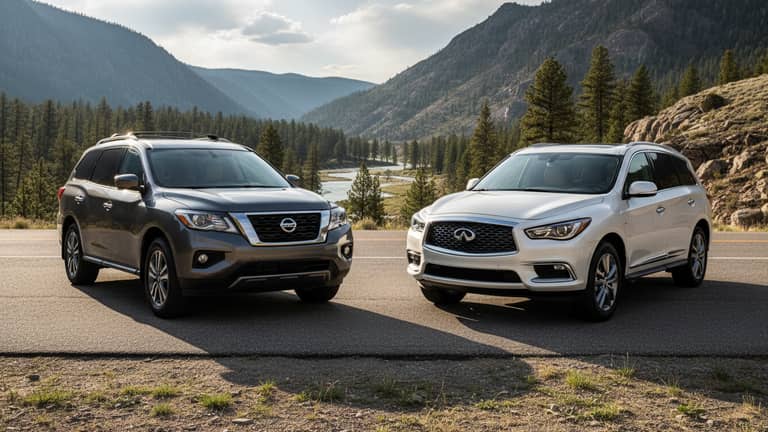
The Nissan Pathfinder and Infiniti QX60 compete in a crowded 2025 midsize SUV market where luxury and value brands increasingly overlap. Modern buyers prioritize substance over badges, demanding reliable performance, advanced tech, and real versatility rather than prestige alone. Choice between them depends on whether you value cost-effectiveness or brand positioning, as both now offer similar core features that once justified luxury pricing.
Welcome to the real battleground of the midsize SUV world: Nissan Pathfinder vs Infiniti QX60. This isn’t some sanitized brochure comparison or a half-hearted influencer “review.” We’re digging beneath the badges, the marketing gloss, and the false sense of security that comes from simply spending more. If you’re the kind of buyer who questions everything—the hidden costs, the emotional calculus, the brutal realities most guides skip—then you’re in the right place. This deep dive exposes ruthless truths, real numbers, and the lived experience of owners who’ve been there and sometimes regretted it. Whether you’re a pragmatic family chief or a closet badge-chaser, this story peels back the layers of modern car buying, so you choose with eyes wide open and never look back. Buckle up: the Nissan Pathfinder vs Infiniti QX60 clash is about to get uncomfortably honest.
The crossroads: why this comparison matters more than ever
The midsize SUV arms race in 2025
Crack open any automotive sales report from the past year, and you’ll see one trend blazing in all caps: the midsize SUV segment is a warzone, with nearly every major automaker jostling for dominance. In 2025, this class isn’t just crowded—it’s mutated. The lines between luxury, tech, and pure practicality are more blurred than ever. Shoppers aren’t simply choosing between “basic” and “bougie” anymore. According to recent data from iSeeCars, 2025, the proliferation of standard safety tech, touchscreen-heavy cockpits, and upmarket interiors means even value brands are encroaching on luxury territory, while luxury players are hustling to justify their price tags.

What’s changed most in 2025? Buyers are better informed, suspicious of fluff, and far less willing to pay for “prestige” alone. Tech features—once the realm of high spec—are now non-negotiable at every price point. As experts at TrueCar, 2025 observe, the battlefield is now about substance: reliability, digital experience, and real-world versatility.
Who’s really shopping these two SUVs?
You’d think the Pathfinder and QX60 would attract polar opposites—blue-collar pragmatists vs status-conscious suburbanites—but reality is far messier. According to buyer demographic studies from MotorBiscuit, 2024, the average Pathfinder shopper is a family in their late 30s to 50s, often with young kids, who values dependability and interior space. The QX60? On paper, it’s the upwardly mobile executive or image-driven parent, but the crossover is real: many Nissan shoppers consider the Infiniti, and vice versa, because both SUVs share mechanical DNA and, crucially, tech features.
“I wanted comfort, not just a badge.”
— Jess, Pathfinder driver
Peer pressure is a thing, but so is the hunt for value. More buyers are cross-shopping these siblings than ever—a symptom of rising prices and the democratization of “premium” features.
The emotional calculus of car buying
Let’s get real: choosing between Nissan Pathfinder and Infiniti QX60 isn’t just a spreadsheet decision. It’s a tug-of-war between the heart’s craving for prestige and the head’s fixation on value. Imagine two neighbors, side by side, each eyeing the other’s driveway. One, in a Pathfinder, quietly relishes the extra cash in the bank; the other, behind the wheel of a QX60, basks in the soft glow of upmarket design. There’s pride, but also a flicker of envy—a silent contest that plays out in suburbia everywhere.
Hidden benefits experts won’t tell you:
- Nissan Pathfinder’s cargo space is a game-changer for road trips or Costco runs, outclassing many “luxury” rivals.
- QX60’s second-row comfort is a relief for teens and adults, making long drives more bearable.
- Pathfinder’s ruggedness translates into better real-world durability—less stress about dings and scratches.
- QX60’s advanced driver assistance system reduces fatigue in gridlock, subtly upping quality of life.
- Both share a proven V6, so you’re not sacrificing performance by choosing the “lesser” badge.
- Insurance premiums for the Pathfinder are often significantly lower, thanks to lower replacement costs.
- Infiniti’s interior materials elevate everyday commutes, making each drive feel like a reward.
Brand mythbusting: the reality behind Nissan and Infiniti
Luxury by design or by marketing?
On the surface, the Infiniti QX60 seems galaxies removed from the Nissan Pathfinder: swooping lines, chrome accents, a badge that whispers “exclusive.” But how much of that is substance, and how much is smoke and mirrors? Dig into the bones—platform, engine, safety tech—and you’ll find more similarities than differences. The QX60 is undeniably plusher, but does it truly break free from its Nissan roots?
| Feature | Nissan Pathfinder | Infiniti QX60 | Unique to QX60? |
|---|---|---|---|
| Starting Price | ~$36,400 | ~$50,200 | ✓ |
| 3.5L V6 Engine | 284 hp | 295 hp | - |
| 2nd-Row Captain’s Chairs | Optional | Standard on some trims | ✓ (trim-dependent) |
| AWD Availability | Optional | Optional | - |
| Digital Cockpit | 9" touchscreen | 12.3" touchscreen | ✓ |
| Quilted Leather | No | Yes | ✓ |
| ProPILOT Assist | No | Yes | ✓ |
| Max Towing | 6,000 lbs | 3,500 lbs | - |
| Cargo Behind 3rd Row | 16.6 cu ft | 14.5 cu ft | - |
Table 1: Pathfinder vs QX60 feature matrix. Source: Original analysis based on TrueCar, 2025, MotorBiscuit, 2024.
The evolution: how each model got here
- 2010: Pathfinder is a rugged, truck-based SUV; QX60 launches as Infiniti JX35, a luxury crossover.
- 2013: QX60 debuts as a renamed JX35; Pathfinder transitions to unibody, emphasizing comfort.
- 2017: Both receive mid-cycle refreshes, adding new tech and safety.
- 2022: Next-gen Pathfinder and QX60 launch, emphasizing digital experience and upmarket interiors.
- 2025: Models share advanced safety suites, V6 engines, and target overlapping demographics.
Each evolution has blurred the lines further. The Pathfinder has steadily pivoted from rough-and-ready to family-smooth, while the QX60 has doubled down on luxury features, tech, and design flourishes.

Debunking common misconceptions
First myth: “The QX60 is just a fancy Pathfinder.” Not quite. While they share a platform and drivetrain, the QX60’s cabin is a cut above, and the ride is tuned for serenity, not trail-bashing. Second myth: “Luxury is always more reliable.” Tell that to anyone who’s footed a $2,000 bill for a malfunctioning massaging seat. Brand cachet doesn’t guarantee fewer headaches.
“Most drivers can't tell them apart on the road.”
— Aiden, auto analyst
Key terms:
A loosely defined term that refers to both tangible upgrades (premium leather, advanced tech) and intangible ones (brand perception, dealership experience). Often used more in marketing than reality.
An industry practice where different vehicles use the same underlying architecture, allowing brands to cut costs but sometimes blurring the distinction between models.
The art (or sin) of creating a new “brand” vehicle by swapping badges, minor trim, or tech, without meaningful engineering differences.
Showdown specs: numbers you can’t ignore
Performance, power, and the drive that matters
Here’s where the spreadsheet warriors come out to play. Both SUVs pack a 3.5L V6 (Pathfinder: 284 hp, QX60: 295 hp), making day-to-day acceleration differences nearly imperceptible. But ride and handling diverge: the QX60 is tuned for plush, near-silent cruising, while the Pathfinder’s chassis is stiffer, favoring confident towing and off-road sojourns. According to iSeeCars, 2025, the Pathfinder’s 6,000 lb max towing rating isn’t just a number—it’s a ticket to real outdoor adventure, while the QX60’s 3,500 lb capacity draws a line at family boats and lighter trailers.
| Spec | Nissan Pathfinder | Infiniti QX60 |
|---|---|---|
| Engine | 3.5L V6, 284 hp | 3.5L V6, 295 hp |
| 0-60 mph | ~6.7 sec | ~6.5 sec |
| Fuel Economy | 20/27 mpg (C/H) | 22/28 mpg (C/H) |
| Max Towing | 6,000 lbs | 3,500 lbs |
| AWD Available | Yes | Yes |
| Transmission | 9-speed auto | 9-speed auto |
Table 2: Pathfinder vs QX60 specs. Source: Original analysis based on TrueCar, 2025, iSeeCars, 2025.
Tech, safety, and the digital cockpit
If you measure satisfaction in pixels, the QX60 takes the crown: its 12.3-inch touchscreen, digital gauge cluster, and available head-up display dwarf the Pathfinder’s still-respectable 9-inch unit. Both SUVs feature wireless Apple CarPlay/Android Auto, but Infiniti’s system is more responsive, and its Bose audio system delivers deeper clarity. Where things even out? Standard safety suites—automatic emergency braking, lane keep assist, blind spot warning—are standard fare on both.
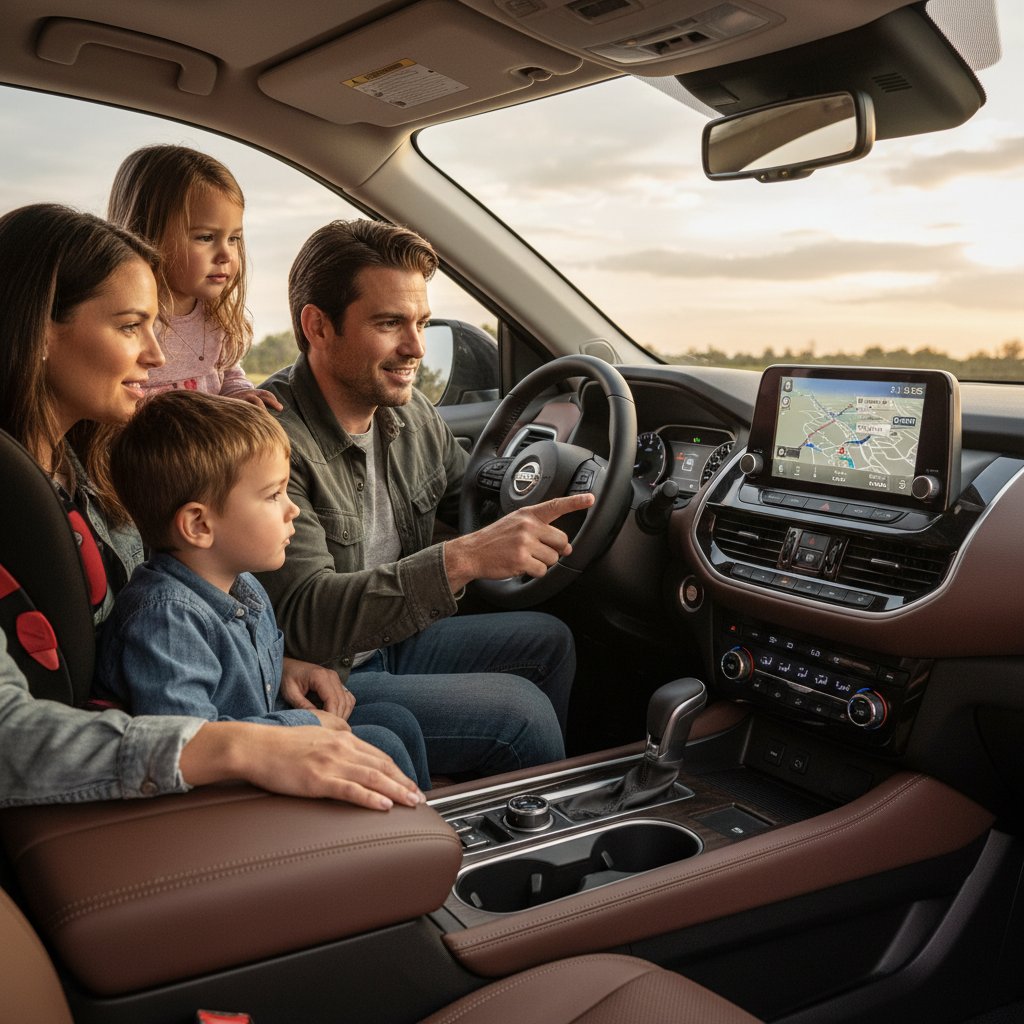
The QX60 also boasts ProPILOT Assist for semi-automated cruising, a step beyond Pathfinder’s adaptive cruise control. However, some owners grumble about intrusive driver “nags”—a reminder that more tech doesn’t always mean better experience.
Interior luxury: is the upgrade worth it?
No question, Infiniti wins for visual drama. Quilted leather, genuine wood, and ambient lighting transform commutes into rituals. But the Pathfinder counters with more cargo room, easier third-row access, and hardier surfaces that can actually survive a toddler’s lunch. According to INFINITI of South Bay, 2025, Pathfinder’s total cargo volume and practical layout beat many so-called luxury alternatives.

Red flags to watch for in interior quality:
- Thin seat padding in non-premium trims can mean long-drive discomfort.
- Shiny “piano black” plastic scratches easily—looks luxe in photos, not so much IRL.
- Optional tech can quickly balloon the price, especially in QX60.
- Real wood trim? Check if it’s standard or just on highest trims—don’t be fooled.
- Some luxury features (ventilated seats, advanced climate) cost extra even on Infiniti.
Ownership unfiltered: what living with each SUV really means
Maintenance, reliability, and the hidden costs
Sticker price is just the opening salvo. Owners report that the Pathfinder delivers on Nissan’s reputation for low-cost maintenance, with routine service and common parts widely available. Infiniti, while sharing many mechanicals, often means higher labor rates and pricier specialty items—think self-healing paint or power-folding third rows. Both models back you with a competitive warranty, but luxury quirks can unravel budgets fast.
| Ownership Cost (3 Years) | Pathfinder | QX60 |
|---|---|---|
| Routine Maintenance | ~$1,200 | ~$1,600 |
| Insurance (annual avg.) | ~$1,400 | ~$1,900 |
| Depreciation (est.) | ~$14,000 | ~$18,000 |
Table 3: Three-year cost breakdown. Source: Original analysis based on MotorBiscuit, 2024, iSeeCars, 2025.
Minor issues—rattling seat motors, faulty sensors—can spiral into wallet-draining repairs on luxury models. Even simple tasks, like replacing a headlight or fixing a powered liftgate, often require Infiniti-specific parts and expertise.
Resale value and the real price tag
Depreciation is the silent assassin of luxury dreams. According to iSeeCars, 2025, Pathfinders tend to retain a higher percentage of their value after three years compared to the QX60, whose initial prestige tax melts fast. This is partly due to lower ongoing costs and higher demand in the pre-owned market.

So while Infiniti drivers enjoy the perks of luxury, many find themselves on the losing end come trade-in time—unless they’re prepared to ride out the full ownership term.
Real owner stories: what they wish they’d known
Urban parents praise the Pathfinder’s “use it and forget it” nature—no fuss over parking garage dings or muddy cleats. Road trippers love the QX60’s highway composure, but grumble about low cargo space for bulky gear. Tech lovers tout the Infiniti’s digital cockpit, but some lament software glitches.
“Honestly, I expected more from the badge.”
— Chris, QX60 owner
It’s the little things—seat folding mechanisms, cupholder placement, rear camera angles—that tip the daily experience from “love” to “tolerate.” Owners say: test everything, twice, not just what the salesperson spotlights.
Beyond the brochure: use cases that change the game
Family hauler or executive cruiser?
Both SUVs boast seating for seven or eight, but their personalities diverge sharply in practice. Pathfinder’s flatter floor, wider doors, and kid-proof surfaces make it a no-brainer for families juggling strollers, car seats, and sports gear. The QX60, meanwhile, doubles as a rolling office—perfect for those mixing business with school pickups.
- List your non-negotiables: Cargo vs comfort, tech vs toughness.
- Test with the whole crew: Bring family, colleagues, or pets for a real-world fit check.
- Simulate your week: Think school runs, Costco hauls, client meetings.
- Inspect maintenance ease: Can you live with luxury quirks or do you prefer mainstream predictability?
- Calculate total cost: Go beyond price—think insurance, depreciation, long-term servicing.

City, suburb, or open road?
Pathfinder’s slab sides and decent turning circle make it surprisingly nimble in city parking lots, while its ride remains composed over pothole-ridden streets. QX60 glides through suburbia, but wider pillars can challenge urban navigation.
Unconventional uses:
- Pathfinder: Turn it into a mini-camper for spontaneous escapes.
- QX60: Executive shuttle for client impressing or date nights.
- Pathfinder: Haul bikes and kayaks with confidence—less worry about scuffs.
- QX60: Mobile entertainment zone with rear-seat screens for restless kids.
How each SUV handles the unexpected
All-wheel drive on both models is more than marketing: it’s peace of mind when storms roll in or the route home turns icy. The Pathfinder’s off-road mode lets it claw through moderate snow and gravel, while the QX60’s electronic aids favor urban emergencies—swerve, brake, and stability tech work overtime in city chaos. Owners recount using their SUVs through snowstorms, navigating pothole-ridden detours downtown, and logging hundreds of miles on summer road trips—each scenario revealing subtle strengths and weaknesses.

The hidden costs: what dealers rarely disclose
Insurance, fees, and the fine print
Behind the sticker lies a world of hidden costs. Insurance for the QX60 is usually $400–$600 higher per year, a direct result of pricier bodywork and electronics. Dealer fees, destination charges, and mandatory add-ons can quietly stack up—often $2,000–$4,000 tacked onto your out-the-door price.
| Hidden Cost/Fees | Pathfinder | QX60 |
|---|---|---|
| Annual Insurance (avg) | ~$1,400 | ~$1,900 |
| Dealer/Doc Fees | ~$800 | ~$1,200 |
| Destination Charge | ~$1,365 | ~$1,395 |
| Typical Add-Ons (premium) | ~$1,000 | ~$2,500 |
Table 4: Hidden cost comparison. Source: Original analysis based on MotorBiscuit, 2024, TrueCar, 2025.
Trim levels and option packs are the silent assassins of budgets. “Base” rarely means base—one or two “essential” packages can catapult you thousands above the advertised price.
Feature creep and option traps
The list of tempting extras is long. Want heated rear seats? That might require upgrading to a higher trim, which also brings a sunroof and a $3,000 dent in your wallet. Infotainment add-ons? Suddenly you’re buying the “Tech” package, bundled with features you never asked for.
- Prioritize needs over wants: What features will you truly use, daily?
- Research standard vs optional: Don’t assume that luxury means “all included.”
- Beware of bundled add-ons: Packages often force you to buy two or three features for one you want.
- Interrogate the dealer: Ask for itemized quotes to avoid hidden upcharges.
- Sleep on it: Never commit to add-ons in the heat of the sales pitch.
How to avoid buyer’s remorse
The most satisfied owners are those who knew what they were getting—warts and all. Test drive, scrutinize trim differences, and dig for owner complaints online. Lean on unbiased resources like futurecar.ai, which cuts through marketing noise and brings together real-world data and experience.
Expert insights and contrarian takes
What industry insiders say about Nissan and Infiniti
A growing chorus of analysts see Nissan as the “quiet disruptor”—offering mainstream vehicles with features that once cost luxury money. Infiniti, on the other hand, is under pressure to continually justify its premium. As auto analyst Aiden noted in a recent review:
“Pathfinder’s value-per-dollar is the segment’s best-kept secret.”
— Aiden, auto analyst
Does luxury really age better?
Contrary to what your neighbor claims, premium badges aren’t a magic shield against depreciation or wear. Leather cracks, touchscreens glitch, and as soon as a model redesign hits the lot, yesterday’s “it car” is just another used ride.
Key definitions:
The inevitable decline in a car’s value, accelerated by luxury vehicles due to higher initial prices and rapid model changes.
The psychological weight we give to a brand or feature, sometimes at odds with actual benefit or utility.
A combination of materials, assembly precision, and design durability—crucial for both perceived luxury and long-term reliability.
The case for the underdog: why rebel choices matter
Opting for the Pathfinder over the QX60 isn’t just about saving cash—it’s a statement against herd mentality. In a world obsessed with appearances, choosing the value-rich alternative is an act of quiet rebellion. And let’s be real: individuality, not conformity, is where real satisfaction lives.
There’s an emotional high to “going against the grain”—knowing you outsmarted the system, kept money in your pocket, and still enjoy a premium experience.
Adjacent battles: what else should you compare?
How they stack up against rivals
The Nissan Pathfinder and Infiniti QX60 don’t exist in a vacuum. Their fiercest rivals include the Toyota Highlander (value juggernaut), Honda Pilot (space king), and Acura MDX (luxury tech titan). Against these, the Pathfinder offers best-in-class towing and a smart interior; the QX60 aims for a softer, more premium edge.
| Model | Starting Price | Max Towing | 3rd Row Space | Tech Rating | Reliability |
|---|---|---|---|---|---|
| Pathfinder | ~$36,400 | 6,000 lbs | Spacious | Good | High |
| Infiniti QX60 | ~$50,200 | 3,500 lbs | Luxurious | Excellent | Above Avg |
| Toyota Highlander | ~$39,000 | 5,000 lbs | Adequate | Good | High |
| Acura MDX | ~$51,500 | 5,000 lbs | Comfortable | Excellent | Above Avg |
Table 5: Snapshot comparison of Pathfinder, QX60, and top rivals. Source: Original analysis based on iSeeCars, 2025.
Why do the Pathfinder and QX60 stand out? Unique blend of shared engineering, family practicality, and upmarket design—but in a sea of options, only deep-dive comparison (not badge allegiance) reveals if they’re your best match.
Common misconceptions exposed
SUV forums and comment sections repeat the same myths: “Japanese luxury is bulletproof.” “All AWDs are the same.” “More money equals more comfort.” Each misconception has a kernel of truth—but rarely the whole story.
Most persistent myths:
- Luxury SUVs always have better warranties—false; sometimes they’re identical.
- Third-row seating means real adult comfort—often, it’s just marketing.
- All infotainment systems are reliable—owners report glitches in both Nissan and Infiniti.
- AWD guarantees winter invincibility—tire choice and ground clearance matter more.
- High resale value is automatic for luxury—often, the opposite is true.
Future trends: what’s next for Nissan and Infiniti?
Looking at current developments, both brands are doubling down on tech integration and electrification, with concept art hinting at sharper design and greener powertrains.

But don’t buy on promises—judge on today’s product, not tomorrow’s hype.
Decision time: making your choice stick
Checklist: what to test before you decide
- Drive both, back-to-back—Feel the difference in seat comfort, visibility, and ride quality.
- Test all tech—Play with every screen, button, and speaker.
- Load it up—Simulate your real cargo and passengers.
- Check dealership reputation—Read owner reviews, not just star ratings.
- Crunch the numbers—Calculate long-term costs, not just initial price.
- Ask about maintenance—Compare costs, intervals, and warranty coverage.
- Sleep on it—Never buy under pressure.
Nothing replaces real-world testing. Specs are a starting point, but your needs and comfort are the final arbiters.
How to negotiate like it’s 2025
Leverage today’s digital transparency. Use online quote tools, request itemized price breakdowns, and don’t be afraid to walk. Knowledge is power—resources like futurecar.ai arm you with the data to spot inflated fees and push for fair deals.
The bottom line: brutal truths revealed
The Nissan Pathfinder vs Infiniti QX60 debate isn’t about “which is better”—it’s about which is right for you, here and now. Ignore the badge snobs and dealer hype. Most buyers only discover the real trade-offs after the ink is dry. Don’t be that person. Use the data, question your own motivations, and remember: the right choice is the one you’ll never have to justify.

Curious for more brutally honest, data-driven comparisons? Head to futurecar.ai for guidance you won’t find in the brochures.
Key Facts & Stats:
- Price Gap: Pathfinder starts at ~$36,400; QX60 at ~$50,200 (2025 models).
- Design: QX60 is luxury-oriented and refined; Pathfinder is rugged, family-focused.
- Interior: QX60 has more upscale materials, better 2nd-row legroom; Pathfinder offers more overall space and cargo.
- Performance: Similar 3.5L V6 engines (~295 hp QX60; 284 hp Pathfinder); QX60 rides smoother, Pathfinder better for towing/off-road.
- Fuel Economy: QX60: 22/28 mpg (city/highway); Pathfinder: 20/27 mpg.
- Cargo: Pathfinder: 16.6 cu ft behind 3rd row; QX60: 14.5 cu ft.
- Tech/Safety: QX60 has more advanced luxury tech; both have comprehensive safety suites. Sources:
- INFINITI of South Bay Comparison Guide
- TrueCar Spec Comparison
- MotorBiscuit Value Analysis
- The midsize SUV segment is split between buyers seeking value/practicality (Pathfinder) and those wanting luxury/refinement (QX60).
- Pathfinder appeals for reliability, resale value, and affordability; QX60 for upscale features and design.
- Both share mechanical roots but serve distinct market niches, reflecting broader consumer trends.
- iSeeCars Market Data
- Nissan of Cool Springs Blog
- Pathfinder: Families (seating up to 8), value-driven, practical, often adventure/outdoor-oriented.
Here is a comprehensive, structured research summary for your article on "Nissan Pathfinder vs Infiniti QX60" (2023-2024):
1. Nissan Pathfinder vs Infiniti QX60: 7 Ruthless Truths Every Buyer Must Face
Key Facts & Stats:
- Price Gap: Pathfinder starts at ~$36,400; QX60 at ~$50,200 (2025 models).
- Design: QX60 is luxury-oriented and refined; Pathfinder is rugged, family-focused.
- Interior: QX60 has more upscale materials, better 2nd-row legroom; Pathfinder offers more overall space and cargo.
- Performance: Similar 3.5L V6 engines (~295 hp QX60; 284 hp Pathfinder); QX60 rides smoother, Pathfinder better for towing/off-road.
- Fuel Economy: QX60: 22/28 mpg (city/highway); Pathfinder: 20/27 mpg.
- Cargo: Pathfinder: 16.6 cu ft behind 3rd row; QX60: 14.5 cu ft.
- Tech/Safety: QX60 has more advanced luxury tech; both have comprehensive safety suites.
Sources:
2. The Crossroads: Why This Comparison Matters More Than Ever
Insights:
- The midsize SUV segment is split between buyers seeking value/practicality (Pathfinder) and those wanting luxury/refinement (QX60).
- Pathfinder appeals for reliability, resale value, and affordability; QX60 for upscale features and design.
- Both share mechanical roots but serve distinct market niches, reflecting broader consumer trends.
Sources:
3. Who’s Really Shopping These Two SUVs?
Demographics:
- Pathfinder: Families (seating up to 8), value-driven, practical, often adventure/outdoor-oriented.
- QX60: Upscale buyers, smaller families/couples, prioritize luxury, comfort, and premium features.
Real-World Example: Pathfinder outsells QX60 by nearly 4:1 in the U.S., underscoring its broader family appeal.
Sources:
4. The Emotional Calculus of Car Buying
Expert Opinions:
- QX60 buyers are motivated by status, comfort, and peace of mind (longer warranty, luxury badge).
- Pathfinder buyers value space, ruggedness, and reliability.
- QX60 delivers emotional satisfaction through luxury; Pathfinder through practicality and value.
Sources:
5. Brand Mythbusting: The Reality Behind Nissan and Infiniti
Myths & Realities:
- Infiniti is not just a rebadged Nissan; it offers distinct luxury features and design.
- Reliability is similar or slightly better for Nissan (J.D. Power: Nissan 15th, Infiniti 22nd in 2024).
- Infiniti faces sales and profitability challenges; some dealers now co-locate with Nissan.
- Nissan offers a broader lineup; Infiniti is focused on luxury SUVs and sedans.
Sources:
6. Luxury by Design or by Marketing?
Analysis:
- QX60’s luxury is both by design (premium materials, tech, refined ride) and by marketing (branding, price premium).
- Pathfinder is practical, rugged, and spacious; QX60 is more about upscale experience and amenities.
Sources:
7. Showdown Specs: Numbers You Can’t Ignore
| Spec | Pathfinder (2023-24) | QX60 (2023-24) |
|---|---|---|
| Engine/HP | 3.5L V6, 284 hp | 3.5L V6, 295 hp |
| Seating | Up to 8 | Up to 7 |
| Towing | 6,000 lbs | 6,000 lbs |
| Cargo (max) | ~80 cu ft | ~75 cu ft |
| Starting Price | ~$36,000 | ~$50,000 |
| Fuel Economy (comb.) | 20-23 mpg | 20-21 mpg |
| Safety | IIHS Top Safety Pick+ | IIHS Top Safety Pick+ |
Sources:
8. Ownership Unfiltered: What Living With Each SUV Really Means
Pathfinder Owners:
- 74-77% recommend it; praised for comfort and value.
- Issues: transmission quirks, brake wear, some electrical problems.
- Dealer service can be inconsistent.
QX60 Owners:
- Mixed reviews; complaints about electronics, leather quality, and rattles.
- More frequent service visits; frustration with build quality.
Sources:
9. Resale Value and the Real Price Tag
Stats:
- Pathfinder: 5-year depreciation ~25-31%; 5-year cost-to-own ~$58,209.
- QX60: 5-year depreciation ~36-60%; 5-year cost-to-own ~$79,891.
- Pathfinder has lower initial price, depreciation, and total cost of ownership.
Sources:
10. Beyond the Brochure: Use Cases That Change the Game
Pathfinder:
- Daily family hauler, road trips, light off-roading (Rock Creek trim), high cargo versatility.
QX60:
- Executive/family comfort, luxury commuting, upscale road trips, tech-forward family use.
Sources:
11. Family Hauler or Executive Cruiser?
- Pathfinder: More seats (up to 8), more cargo, practical for larger families.
- QX60: Upscale, quieter, more comfortable for executives or smaller families.
Sources:
12. City, Suburb, or Open Road?
- Both: Similar city MPG (20-21), Pathfinder slightly better for highway/towing.
- QX60: Quieter, more refined for city and highway; Pathfinder better for mixed/rougher conditions.
Sources:
13. How Each SUV Handles the Unexpected
- Both: 5/5 NHTSA, IIHS Top Safety Pick+, advanced driver aids standard.
- QX60: Extra luxury safety tech (Predictive Forward Collision Warning, Blind Spot Intervention).
- Pathfinder: ProPILOT Assist, robust safety suite, strong reliability.
Sources:
14. The Hidden Costs: What Dealers Rarely Disclose
- Pathfinder: $1,295-$1,390 destination fee, moderate maintenance costs, chance of severe repairs.
- QX60: $1,195-$1,350 destination, higher annual maintenance ($639), 3 years free maintenance, higher repair likelihood.
Sources:
15. Insurance, Fees, and the Fine Print
- QX60 is more expensive to insure due to luxury status; Pathfinder cheaper.
- Registration, taxes, and dealer fees higher for QX60.
- QX60 offers longer warranty, more luxury features, but Pathfinder has better cargo/resale value.
Sources:
Unique Insights & Lesser-Known Facts
- QX60’s luxury is as much about branding as actual feature differences.
- Both vehicles’ safety ratings are nearly identical, but Infiniti adds a few luxury safety extras.
- Pathfinder’s off-road Rock Creek trim is unique in this segment.
- Infiniti’s sales and dealership structure are under pressure, leading to more overlap with Nissan stores.
Authoritative Sources
- INFINITI of South Bay Comparison Guide
- iSeeCars Data
- Kelley Blue Book Cost-to-Own: Pathfinder
- Kelley Blue Book Cost-to-Own: QX60
- MotorTrend Reviews
- Car and Driver QX60
- RepairPal Reliability, [https://repairpal.com/nissan/pathfinder]
- IIHS Safety Ratings
For further details and specific expert quotes, see the provided URLs and source snippets.
Frequently Asked Questions
What is the main difference between the Nissan Pathfinder and Infiniti QX60 in terms of buyer appeal?
While buyers might assume the Pathfinder attracts pragmatists and the QX60 attracts status-conscious shoppers, reality is more complex according to demographic studies, with significant overlap between the two customer bases rather than polar opposites.
Why does the midsize SUV comparison between these two vehicles matter more in 2025?
In 2025, the lines between luxury, tech, and practicality are increasingly blurred, with value brands encroaching on luxury territory and luxury brands needing to justify higher prices based on substance like reliability and digital experience rather than prestige alone.
What has changed most about buyer behavior in the midsize SUV segment?
Buyers are now better informed, suspicious of marketing fluff, and less willing to pay for prestige alone, making tech features, reliability, and real-world versatility the key decision factors at every price point.
Sources
References cited in this article
- INFINITI of South Bay Comparison Guide(infinitiofsouthbay.com)
- TrueCar Spec Comparison(truecar.com)
- MotorBiscuit Value Analysis(motorbiscuit.com)
- iSeeCars Market Data(iseecars.com)
- Nissan of Cool Springs Blog(nissanofcoolsprings.com)
- CarBuzz Sales Analysis(carbuzz.com)
- Edmunds Pathfinder Review(edmunds.com)
- Infiniti QX60 Forum(infinitiqx60.org)
- Pathfinder Talk Forum(pathfindertalk.com)
- TopSpeed Brand Comparison(topspeed.com)
- CarBuzz Reliability Showdown(carbuzz.com)
- TFLcar Market Report(tflcar.com)
- Greenwich Infiniti Comparison(greenwichinfiniti.com)
- CarBuzz Feature Analysis(carbuzz.com)
- Cars.com Specs(cars.com)
- MotorTrend Reviews(motortrend.com)
- Car and Driver Reviews(caranddriver.com)
- KBB Pathfinder Reviews(kbb.com)
- Edmunds QX60 Reviews(edmunds.com)
- KBB Cost-to-Own: Pathfinder(kbb.com)
- KBB Cost-to-Own: QX60(kbb.com)
- CarEdge Depreciation Data(caredge.com)
- MotorTrend Performance Review(motortrend.com)
- Car and Driver QX60(caranddriver.com)
- IIHS QX60 Results(iihs.org)
- Nissan Newsroom Safety Release(usa.nissannews.com)
- RepairPal Pathfinder(repairpal.com)
- RepairPal QX60(repairpal.com)
- KBB QX60 Maintenance(kbb.com)
- Cars.com Pricing(cars.com)