


Loyalty Incentives in Car Buying: Smart Wins Vs Costly Traps
Written with AI assistance under our editorial guidelines
Loyalty programs use sophisticated psychological tactics like variable rewards and loss aversion to influence spending decisions, not primarily to benefit consumers. While loyalty program usage surged 28% in 2024, these incentives are designed to maximize customer engagement and spending through behavioral manipulation rather than genuine value creation, making it crucial for buyers to evaluate actual rewards carefully before committing.
Loyalty incentives—those shiny rewards dangled in front of us everywhere from car dealerships to coffee chains—promise a world where loyalty is recognized, rewarded, and even profitable for the savvy. But behind every glittering promise lies a complex web of psychology, business strategy, and often, cold hard data that challenges the very idea of “free rewards.” As loyalty program usage has skyrocketed (up 28% in 2024 alone, according to SAP Emarsys), the mechanics behind these systems have grown more sophisticated and, some would argue, more insidious. What does this mean for you, the consumer, especially if you’re about to make a major purchase like a car? In this deep-dive, we rip the mask off loyalty incentives—exposing the psychological hooks, hidden traps, and real-world strategies that separate winners from the suckers. Whether you’re a first-time car buyer or a seasoned points-chaser, this guide will arm you with the knowledge to bend these systems to your favor, avoid the pitfalls, and claim real value in a landscape where nothing is ever as simple as it seems.
Loyalty incentives unmasked: What you’re really signing up for
The psychology of loyalty programs
Every time you scan a loyalty card or check a rewards app, you’re stepping into a meticulously designed behavioral experiment. The architects of loyalty incentives aren’t just rewarding your business—they’re tapping into primal urges, old-school conditioning, and a dash of gambler’s anticipation. The anticipation of a reward—however small—triggers the same dopamine rush that underpins much riskier behaviors. In fact, behavioral economists have found that the mere promise of points or perks can be more motivating than the rewards themselves.

- Variable rewards: Like a slot machine, unpredictable rewards keep people hooked, returning again and again for another shot at a bonus.
- Sunk cost fallacy: The more you invest (spend, visit, engage), the harder it feels to walk away, regardless of real value.
- Endowment effect: Earning points or status makes you feel like you “own” future rewards, even if redemption is far off or unlikely.
- Loss aversion: Fear of losing points (or missing out on a limited-time offer) can drive impulsive purchasing.
“Most people don’t realize how much these programs shape their decisions.” — Alex, behavioral economist
The reality? Loyalty incentives engineer your choices, not out of goodwill, but to maximize your engagement and spending. This isn’t just commerce—it’s psychological warfare, and the house always designs the game.
The fine print: The real cost of reward schemes
Loyalty programs love to wave rewards in your face, but the devil is always in the details. Expiration dates, blackout periods, and a labyrinth of exclusions often mean that the “value” you’re promised proves elusive when you try to claim it. According to LoyaltyLion, breakage—what the industry calls unredeemed rewards—generated $207 million for Starbucks alone in 2024. That’s not a glitch; it’s the business model.
| Program | Notable Fine Print | Real Consumer Cost |
|---|---|---|
| Major Airline | Blackout dates for peak travel | Rewards hard to redeem in high season |
| Coffee Chain | Points expire after 6-12 months | Unused points = lost value |
| Car Manufacturer | Loyalty rebate after new lease | Must finance through captive lender |
| Grocery Retailer | Minimum spend for redemption | Extra spending required |
Table 1: Hidden terms in popular loyalty programs and their impact on real value
Source: Original analysis based on LoyaltyLion, 2024, SAP Emarsys, 2024
Redemption rates—how often consumers actually claim rewards—are the canary in the coal mine. Low redemption isn’t a sign of a bad program for the company; it’s often the goal. You’re meant to chase, not necessarily to win.
Behind the curtain: Why companies love loyalty incentives
Why are companies so generous with loyalty schemes? The answer is simple: data, retention, and margin protection. Every scan or signup lets businesses harvest oceans of personal and behavioral data. According to Open Loyalty, the global loyalty management market hit $10.67 billion in 2023 and is growing fast, thanks in large part to monetizing customer insights.

Your buying patterns, frequency, and even product preferences are hoarded, analyzed, and sold—or used to squeeze more value from you. For businesses, loyalty incentives protect profit margins by nudging you toward high-margin products, exclusive financing offers (think automotive loyalty rebates), or even just locking you into their ecosystem. In the end, you’re not just a customer—you’re a data point with a predictable value.
The history and evolution of loyalty incentives
From punch cards to AI: A timeline
- 19th century: Trading stamps introduced by retailers—collect enough, redeem for goods.
- 1930s-1960s: Punch cards sweep America’s diners and stores—ten sandwiches, get one free.
- 1980s: Airlines pioneer frequent flyer miles, cementing points-based rewards.
- 1990s-2000s: Supermarket loyalty cards and credit card points explode.
- 2010s: Digital apps and personalized offers emerge; gamification enters the scene.
- 2020s: AI-powered incentives, blockchain points, and hyper-targeted rewards dominate.
Every shift in technology has offered companies new ways to track, reward, and—importantly—nudge consumer behavior. The surface has changed; the psychological hooks remain.
How loyalty incentives shaped consumer culture
Loyalty programs have not just followed consumer trends; they've fundamentally altered them. The promise of a free coffee or flight upgrades has conditioned millions to structure their shopping around points and perks.
| Industry | 2000 Adoption | 2010 Adoption | 2024 Adoption |
|---|---|---|---|
| Retail | 45% | 70% | 87% |
| Hospitality | 38% | 61% | 80% |
| Automotive | 12% | 29% | 54% |
Table 2: Loyalty program adoption rates by industry over time
Source: Original analysis based on Open Loyalty, 2024, SAP Emarsys, 2024

This shift means loyalty incentives have become a cultural norm, not an exception. You’re not just buying products—you’re buying into a relationship where brands shape your choices, and your habits, in real time.
The automotive twist: Loyalty incentives for car buyers
Loyalty incentives in the car world are a unique breed. Unlike free coffees, car loyalty offers can mean thousands in rebates, exclusive financing, or add-ons. But the catch? They're often tied to brand financing, trade-ins, or proof of past purchases. Automotive programs, compared to retail, have a higher bar for entry and richer payouts—but also more hoops, stricter terms, and more data harvested per transaction. Unlike the retail world’s instant gratification, automotive loyalty requires patience, paperwork, and a willingness to play the long game.
The economics of loyalty: Who really profits?
Breaking down the numbers: Redemption, breakage, and margins
When it comes to loyalty incentives, numbers don’t lie—they reveal who wins, who loses, and why the system is built the way it is. Redemption rate is the percentage of rewards that consumers actually claim; breakage is what’s left on the table. According to LoyaltyLion, Starbucks raked in $207 million in breakage in 2024—money from rewards that customers never cashed in. This is not an outlier but industry standard.
| Industry | Avg. Redemption Rate | Breakage Rate | Margin Impact |
|---|---|---|---|
| Retail | 43% | 27% | Boosts repeat purchases |
| Hospitality | 58% | 19% | Fills off-peak inventory |
| Automotive | 32% | 36% | Drives brand retention |
Table 3: Redemption and breakage rates across industries (2024)
Source: Original analysis based on LoyaltyLion, 2024, Open Loyalty, 2024
The takeaway? The system is designed so that a significant chunk of rewards never get cashed in, padding profits and ensuring that loyalty incentives always tilt in the company’s favor.
Cost-benefit analysis for consumers
So, how do you cut through the noise and calculate whether a loyalty incentive is actually worth it? The answer lies in looking beyond the headline numbers to the fine print, opportunity costs, and genuine usability of the rewards.
- List all requirements: Is redemption tied to a specific purchase, financing option, or timeframe?
- Estimate real savings: What’s the dollar value of the reward, and what do you have to spend to get it?
- Calculate opportunity cost: What better deals could you get elsewhere if you skipped the loyalty offer?
- Check breakage risk: How likely are you to actually use all the rewards before they expire?
- Factor in time and effort: Is the hassle of managing the program worth the potential gain?
Chasing loyalty rewards can be a trap if you ignore the opportunity cost—those “free” perks often come with hidden sacrifices, whether in flexibility, time, or even cash.
The loyalty illusion: Are we ever really winning?
Here’s the brutal truth: loyalty incentives are usually stacked in favor of the house. Sure, some people score big wins, but the majority pay in missed opportunities, wasted time, and unused points.

“Sometimes, the biggest reward is learning when to walk away.” — Jamie, auto industry insider
The illusion is powerful, but savvy consumers know when to cash in and when to cut losses. True mastery of loyalty incentives means knowing that sometimes, the only way to win is not to play at all.
Case studies: Loyalty incentives gone right—and wrong
Success stories: When loyalty pays off big
Consider the car buyer who meticulously stacked incentives: a $2,000 brand loyalty rebate, a $1,500 partner organization discount, and a 0.9% APR financing offer. By reading the fine print, timing the purchase at the quarter’s end, and leveraging a trade-in bonus, this buyer saved over 10% off MSRP—netting nearly $5,000 in extras and an unbeatable financing deal. The key? Relentless research, combining offers from different sources, and understanding program rules inside out.
Compare this with the casual buyer who took a single $500 loyalty bonus, unaware they could have combined it with dealer incentives or brought in a partner code. The difference can be thousands of dollars—a gap that only widens as the price tag climbs.
Epic fails: When loyalty incentives backfire
Not every loyalty journey is paved with gold. Take the buyer who waited for their points to hit a redemption threshold, only to find the program had expired or their points had quietly lapsed. Worse still, some buyers chase loyalty deals so hard they miss out on competitive cash discounts elsewhere, effectively paying more for the privilege of “being loyal.” The opportunity cost can be staggering, especially in the fast-moving automotive market.
Common pitfalls include:
- Ignoring expiration dates and blackout periods
- Missing more lucrative offers due to loyalty tunnel vision
- Failing to read the fine print—like needing to finance through a specific bank
What we can learn from the extremes
The lesson is clear: loyalty incentives reward the informed, punish the casual, and mercilessly exploit the inattentive.

- Don’t assume loyalty points equal cash—always check redemption value.
- Prioritize flexibility: can rewards be combined, or are you locked in?
- Beware of breakage: if you’re not using rewards regularly, you’re funding corporate profits.
- Scrutinize the rules—if it sounds too good to be true, it probably is.
- Don’t let FOMO (fear of missing out) drive your decisions.
Mythbusting: Loyalty incentives exposed
Myth #1: More points always means more value
It’s a seductive illusion, but more points do not always mean more value. Companies frequently devalue points, hike redemption thresholds, or shift goalposts without warning. In 2024 alone, multiple hotel and airline programs quietly made points worth less, while increasing requirements for top-tier status. The system is built so that as more people earn points, their relative value declines.
Myth #2: Loyalty incentives are free money
Nothing is free. Loyalty incentives come with hidden costs—like higher base prices, required financing through captive lenders, or behavioral trade-offs that might not serve your best financial interests. That “free” oil change may lock you into overpriced dealership service plans, costing you more in the long run.

Myth #3: Only big spenders win
While heavy hitters do rack up rewards, smaller players can win if they play smart. By stacking smaller, timely deals—like seasonal bonuses or referral credits—even modest spenders can extract disproportionate value. Case in point: a first-time car buyer who combined a modest referral bonus, a manufacturer loyalty offer, and a local dealership cashback event, walking away with $1,800 in perks on a mid-range sedan.
Maximizing loyalty: Practical strategies for real rewards
Stacking and timing: The art of playing the system
Mastering loyalty incentives is less about luck and more about timing and stacking offers. Here’s how you play the game to win:
- Research all available incentives: Manufacturer, dealer, partner, and referral offers.
- Check compatibility: Not all offers stack—scrutinize the fine print or call to confirm.
- Time your purchase: End-of-quarter sales, new model releases, and holiday events often mean richer bonuses.
- Leverage trade-ins or bundles: Sometimes, bundling services or trading in an old vehicle unlocks extra rewards.
- Finalize financing: Some offers require using in-house financing or specific lenders—factor in the total cost.
Remember: timing mistakes—like missing a promo window or waiting too long to redeem—can cost you dearly.
Checklist: Is this loyalty incentive worth it?
Before you jump in, ask yourself these key questions:
- Will I actually use the reward (before it expires)?
- What do I have to give up to get it?
- Can I combine it with other offers?
- Is the value real, or just perceived?
- What’s the catch in the fine print?
- Are there better non-loyalty deals available?
Key terms:
Rewards that go unredeemed, padding profits for the issuer. High breakage means the program is doing its job—for the company, not you.
How quickly you use (burn) your points. High burn rates can insulate you from devaluation.
Combining multiple incentives, rebates, or offers for maximum value. The gold standard of loyalty hacking.
Avoiding the loyalty trap: When to say no
Recognize when chasing loyalty incentives becomes a losing game. If managing your programs starts to feel like a second job, or you’re making purchases just to keep points active, it’s time to reconsider.

- You’re tracking multiple expiration dates.
- You’re spending more to hit redemption thresholds.
- You feel anxious about missing out on points.
- Rewards are cluttering your wallet, not your life.
Sometimes, the smartest move is to just walk away.
Loyalty in the automotive world: What’s different now?
The rise of personalized, AI-driven offers
The newest frontier in loyalty incentives? Hyper-personalized, AI-powered rewards. Platforms like futurecar.ai are using advanced analytics to deliver offers tailored to your exact preferences, timing, and purchasing habits. Instead of broad-brush discounts, you might receive an incentive for the precise make, model, or even color you’ve been eyeing.

But this personalization comes at a cost: privacy. In exchange for hyper-targeted deals, you hand over reams of personal information, from driving habits to location data. For many, it’s a fair trade; for others, it’s a slippery slope.
Exclusive vs. generic: Which loyalty incentives really matter?
Not all loyalty programs are created equal. Exclusive, invite-only offers—often extended to returning customers or those with high engagement—typically deliver richer, more flexible rewards than mass-market, generic programs.
| Feature | Exclusive (Invite-only/Tailored) | Generic (Mass-market) |
|---|---|---|
| Personalization | High | Low |
| Reward value | Higher (often $1k+ in auto) | Lower (few hundred $) |
| Eligibility | Strict (history required) | Open to all |
| Stackability | Sometimes (with other offers) | Rarely |
| Data required | More detailed | Minimal |
Table 4: Exclusive vs. generic automotive loyalty incentives feature matrix
Source: Original analysis based on Open Loyalty, 2024
Actionable tip: If you’re eligible for exclusive offers, push for them—but always compare against the best generic deals in your market.
What’s next: The future of loyalty incentives
While the present landscape is already dominated by personalization and AI, the trend is towards even deeper integration—think rewards linked to your connected vehicle’s driving data or ecosystem-wide offers that blend insurance, maintenance, and mobility.
“Tomorrow’s loyalty will be built on trust and transparency, not just points.” — Morgan, automotive strategist
AI-powered tools, including those offered by futurecar.ai, are positioned to help consumers navigate this increasingly complex terrain—making smarter, data-driven choices without being overwhelmed by marketing noise.
Beyond the hype: Risks, drawbacks, and how to protect yourself
Privacy, data, and the cost of convenience
Every time you join a loyalty program, you’re trading personal data for potential savings. That data—what you buy, when, where, and how often—can be used to target ads, shape prices, or even be sold to third parties. The convenience of streamlined offers comes with privacy risks that can be hard to measure or control.

The trade-off is increasingly stark: richer rewards versus shrinking privacy. Decide where your comfort zone lies.
The hidden tax: Time, effort, and mental load
Managing loyalty programs isn’t free—it costs time, attention, and mental bandwidth. Tracking points, deciphering rules, and maximizing redemptions can feel like a part-time job.
Tips for streamlining:
- Use a dedicated app or spreadsheet to track offers and expiration dates.
- Set calendar reminders for expiring rewards or promos.
- Prioritize high-value, low-effort programs; ditch the rest.
- Automate redemptions where possible.
Signs you’re over-invested:
- You’re spending hours each month managing rewards.
- You’ve made purchases “just to use up points.”
- You’re stressed about missing deals.
How to avoid getting burned
Stay safe and maximize value with these steps:
- Audit your programs: List all memberships and evaluate actual usage.
- Check for overlapping offers: Don’t double up where it doesn’t pay off.
- Read the fine print: Know all restrictions, expirations, and clawback clauses.
- Set reminders: Never lose rewards to expiration.
- Stay flexible: Be willing to walk away when the math no longer works.
Informed decision-making is your best defense. Don’t let the lure of “free” override your financial common sense.
Your loyalty, your rules: Taking control in 2025
Redefining value: What loyalty means for you now
It’s time to rethink what you actually want from loyalty incentives. Is it true savings, convenience, or just the dopamine hit of a digital badge? Empower yourself to define value on your own terms, not the company’s.
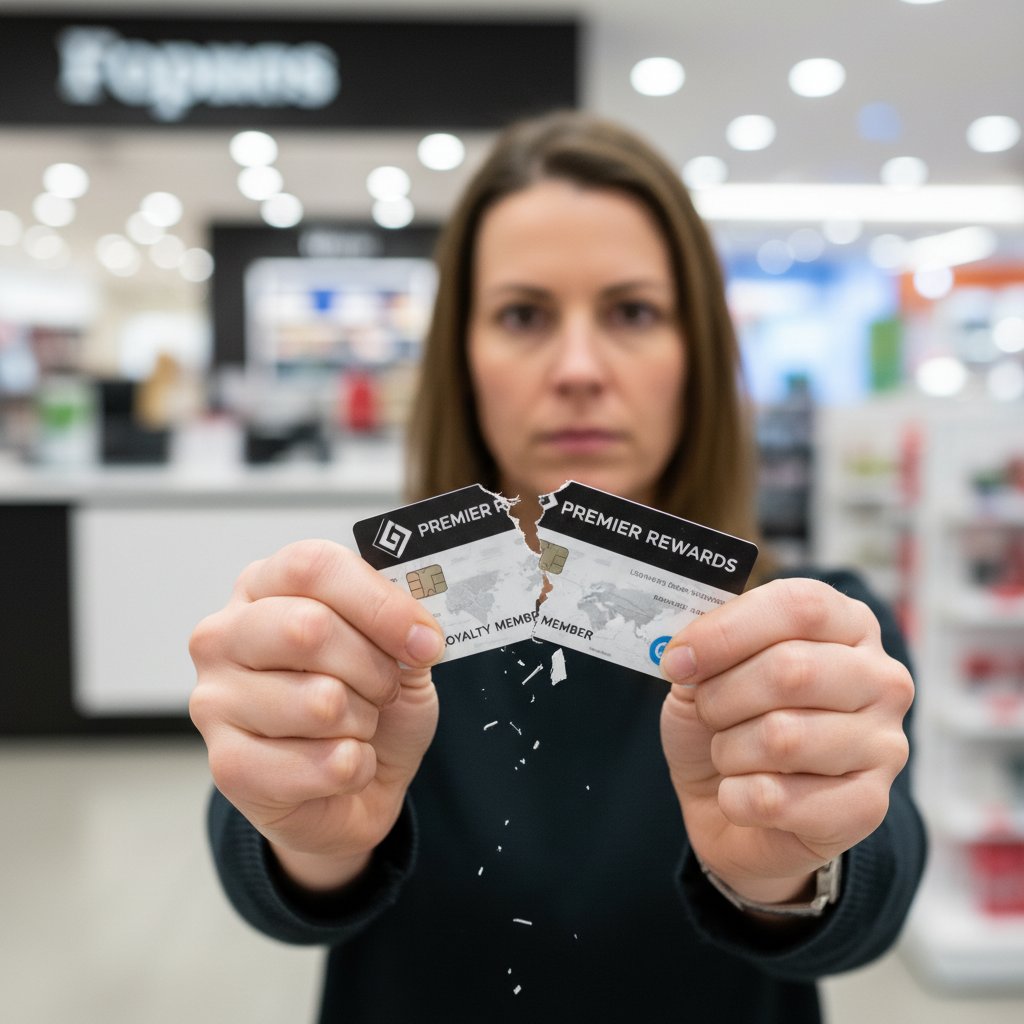
Whether you care about cash-back, ethical business, or just a smoother experience, connect your loyalty strategy to your bigger financial and life goals. Don’t settle for less than what truly serves you.
How to build your own loyalty strategy
Crafting a loyalty incentive plan takes a little effort and a lot of honesty:
- Inventory all your programs: What are you currently a member of?
- Evaluate actual value received: Not just points accrued, but rewards used.
- Cut dead weight: Drop programs where breakage is high or rewards irrelevant.
- Prioritize best-fit offers: Focus on high-value, flexible programs.
- Leverage technology: Use tools like futurecar.ai to compare and optimize offers.
- Review regularly: Markets change; so should your loyalty approach.
The final word: Loyalty incentives in a world that’s always changing
In the end, loyalty incentives are what you make of them—neither the devil nor a godsend, but a reflection of your own informed choices.
“Loyalty isn’t just about rewards—it’s about making choices that actually serve you.” — Taylor, consumer advocate
Reclaim your power, demand real value, and never forget: the smartest loyalty is to yourself.
Supplementary deep dives: What else you need to know
Common loyalty program controversies and scandals
Not all loyalty incentives have a happy ending. The 2018 major airline “no-notice” points devaluation left millions furious, while several retail chains have settled lawsuits over misleading reward expiration policies. Automotive brands aren’t immune—some have faced backlash for quietly changing the terms of long-standing loyalty rebates mid-contract.

Lessons? Always read the fine print, and realize that program terms can (and do) change with little warning. Watch for class action notices and keep records of all program communications.
Loyalty incentives across industries: Who does it best?
| Industry | Reward Value | Redemption Flexibility | Breakage Rate | Consumer Satisfaction |
|---|---|---|---|---|
| Automotive | High | Medium | High | Moderate |
| Retail | Medium | High | Medium | High |
| Hospitality | High | High | Low | High |
| Tech (Apps) | Low | High | High | Low |
Table 5: Cross-industry loyalty program performance comparison (2024)
Source: Original analysis based on SAP Emarsys, 2024, Open Loyalty, 2024
The automotive sector delivers high-value rewards, but redemption is harder and breakage is higher. Retail and hospitality strike a better balance between value and ease of use.
Your questions answered: Loyalty incentives FAQ
Can I stack car loyalty incentives?
Yes, but only if the programs and offers explicitly allow it. Always confirm stackability with both the dealer and the manufacturer before finalizing your purchase.
How do I avoid point devaluation?
Burn points regularly and monitor program updates. Don’t hoard—use them before the rules change.
What is breakage in loyalty programs?
Breakage refers to points or rewards that expire or go unredeemed, representing pure profit for the issuer.
Are paid loyalty programs worth it?
Only if the benefits clearly exceed the upfront cost and you plan to use the perks frequently.
Key loyalty terms:
- Breakage: Unused rewards—watch for high breakage programs.
- Burn rate: How quickly you redeem—higher is safer.
- Stacking: Combining offers for maximum value.
Quick answers:
- Don’t chase loyalty at the expense of flexibility.
- Time purchases to align with the richest bonus periods.
- Read every term—ignorance is expensive.
Looking for more in-depth comparisons? Explore the guides and dealership insights on futurecar.ai, where expert analysis meets AI-powered recommendations.
Below is a comprehensive, structured compilation of current research findings (2023–2024) on loyalty incentives, including key statistics, expert opinions, unique insights, case studies, mythbusting, and practical strategies. Each section includes authoritative sources and real-world examples.
Key Statistics & Facts:
- Loyalty program usage rose 28% in 2024 (up 40% from 2023), driven by personalized, relevant rewards. (SAP Emarsys)
- Emotional loyalty (loyalty based on connection, not just rewards) grew 26% since 2021, reaching 34% in 2024. Ethical loyalty rose to 30%. (LoyaltyLion)
- The global loyalty management market was $10.67B in 2023, projected to hit $12.07B by 2030 (CAGR: 9.2%). (Open Loyalty)
- 53% of consumers paid for loyalty programs in 2023, up from 32% in 2022. Average membership: 7.5 programs/person. (NudgeNow)
- Starbucks Rewards: 34.3M active US users in 2024, 41% of US sales, $207M in breakage revenue (unredeemed balances). (LoyaltyLion)
- 60% of consumers switched brands due to cost in 2024.
- Key goals: improve customer lifetime value (56%), reduce churn (49%), increase purchase frequency (45%). (Open Loyalty) Expert Opinions:
- Incentives drive engagement, but true loyalty is built on emotional connection and trust—not just rewards.
- Programs must deliver real, personalized value and align with consumer ethics to sustain long-term loyalty. Unique Insights:
- Gamification, marketing automation, and experience-based rewards are investment priorities.
- Technology (AI, blockchain, mobile apps) is shifting programs from simple points to experience-driven models. Sources:
- SAP Emarsys
- Open Loyalty
- LoyaltyLion
- NudgeNow
Below is a comprehensive, structured compilation of current research findings (2023–2024) on loyalty incentives, including key statistics, expert opinions, unique insights, case studies, mythbusting, and practical strategies. Each section includes authoritative sources and real-world examples.
1. Loyalty Incentives: The Brutal Truth Behind Rewards and Real Value
Key Statistics & Facts:
- Loyalty program usage rose 28% in 2024 (up 40% from 2023), driven by personalized, relevant rewards. (SAP Emarsys)
- Emotional loyalty (loyalty based on connection, not just rewards) grew 26% since 2021, reaching 34% in 2024. Ethical loyalty rose to 30%. (LoyaltyLion)
- The global loyalty management market was $10.67B in 2023, projected to hit $12.07B by 2030 (CAGR: 9.2%). (Open Loyalty)
- 53% of consumers paid for loyalty programs in 2023, up from 32% in 2022. Average membership: 7.5 programs/person. (NudgeNow)
- Starbucks Rewards: 34.3M active US users in 2024, 41% of US sales, $207M in breakage revenue (unredeemed balances). (LoyaltyLion)
- 60% of consumers switched brands due to cost in 2024.
- Key goals: improve customer lifetime value (56%), reduce churn (49%), increase purchase frequency (45%). (Open Loyalty)
Expert Opinions:
- Incentives drive engagement, but true loyalty is built on emotional connection and trust—not just rewards.
- Programs must deliver real, personalized value and align with consumer ethics to sustain long-term loyalty.
Unique Insights:
- Gamification, marketing automation, and experience-based rewards are investment priorities.
- Technology (AI, blockchain, mobile apps) is shifting programs from simple points to experience-driven models.
Sources:
2. Loyalty Incentives Unmasked: What You’re Really Signing Up For
Key Points:
- Loyalty incentives include rewards, discounts, or benefits for repeat business and data sharing.
- 57% of consumers spend more on brands with loyalty programs.
- Some programs require upfront commitments (e.g., Amazon Prime), often exchanging personal data for benefits.
Real-World Examples:
- Amazon Prime: Annual fee for free shipping and exclusive deals.
- Sephora: Personalized emotional engagement.
- Macy’s Star Rewards: 70% of transactions linked to loyalty members.
- REI Co-Op: Paid membership, exclusive experiences.
- Expedia: Points for bookings to encourage repeat purchases.
Expert Analysis:
- Programs work best when integrated with excellent service and tailored incentives.
- Consumers should weigh privacy and commitment trade-offs.
Sources:
3. The History and Evolution of Loyalty Incentives
Timeline & Milestones:
- Ancient Egypt: Beer tokens as early rewards.
- 1793: US merchants use copper tokens.
- 1896: S&H Green Stamps—redeemable for products.
- 1930s–1980s: Points-based programs (e.g., Betty Crocker).
- 1981: American Airlines launches AAdvantage (first frequent flyer program).
- 2000s: Digital transformation—mobile apps, real-time rewards.
- 2020s: AI, blockchain, gamification, and emotional engagement.
Consumer Behavior Changes:
- Shift from transactional to emotional loyalty.
- Demand for instant gratification and personalized, multi-channel experiences.
Sources:
4. From Punch Cards to AI: A Timeline
Key Innovations:
- Late 19th century: Trading stamps.
- Early 20th century: Punch cards for repeat purchases.
- 1990s: Digital points systems and coalition programs.
- 2000s: Plastic cards, digital apps.
- 2010s: Personalization, tiered rewards.
- 2020s: AI, blockchain, geo-notifications, sustainability rewards.
Sources:
5. The Economics of Loyalty: Who Really Profits?
Key Data (2023–2024):
- Loyalty management market: $6.47B (2023) → $28.65B (2030, 23.7% CAGR).
- 9/10 companies report positive ROI (avg. 4.8x returns).
- 58% of consumers spend more with brands offering loyalty programs.
- 53% paid for loyalty programs in 2023 (up from 17% in 2021).
- Average consumer: 7.5–16.7 memberships.
- 60% switched brands due to cost; 45% due to poor service.
Who Profits?
- Businesses: Increased retention, data monetization, new revenue streams.
- Consumers: Tailored rewards, but face program overload and cost sensitivity.
Sources:
6. Case Studies: Loyalty Incentives Gone Right—and Wrong
Successes:
- Ulta Beauty: Drives repeat purchases and engagement.
- Chipotle: Gamified rewards, 33M+ members, $3.5B digital sales (2023).
- Starbucks: 34.3M active users (2024), 41% of US sales.
- Amazon Prime: 75% of US households, 4x more spend than nonmembers.
- Sephora: Tiered UK system launched in 2024.
Failures/Challenges:
- Over-discounting erodes brand equity.
- 34% switched brands in 2024 due to sustainability concerns.
- 60% switched due to cost.
- Lack of personalization or data integration reduces ROI.
Sources:
7. Epic Fails: When Loyalty Incentives Backfire
Notable Failures:
- Uber Rewards: Complex, low-value rewards led to disengagement.
- Old Navy/Dillard’s: Confusing rules, poor communication.
- Pepsi Philippines (1993): Overprinted winning caps led to riots.
- J.C. Penney (2012): Eliminating discounts confused loyal customers.
- McDonald’s #McDStories: Invited negative stories, damaging brand.
- Covid-19 Vaccine Incentives (South Africa): Poor timing/messaging led to backlash.
Lessons:
- Keep programs simple, transparent, and valuable.
- Don’t replace good service with perks.
- Understand customer attachment before making changes.
Sources:
8. What We Can Learn from the Extremes
Expert Commentary:
- Positive incentives boost loyalty if rewards are clear, visible, and meet expectations.
- Negative/extreme loyalty can foster blind allegiance and ethical lapses (e.g., Nazi Germany).
- Programs must have boundaries and transparency to avoid ethical pitfalls and alienating bystanders.
Sources:
9. Mythbusting: Loyalty Incentives Exposed
Myth #1: More Points Always Means More Value
- Points don’t always equate to real value; redemption options and program structure matter.
Myth #2: Loyalty Incentives Are Free Money
- Loyalty rewards are strategic investments, not giveaways. They require consumer engagement and often data sharing.
Other Myths:
- High sign-up rates ≠ true loyalty.
- Programs aren’t just for big brands; small businesses benefit too.
- Loyalty is built on experience, not just points.
Sources:
10. Maximizing Loyalty: Practical Strategies for Real Rewards
Strategies (2023–2024):
- Join multiple programs but focus on those with valuable, achievable rewards.
- Redeem personalized rewards (4.3x higher spend).
- Use coalition programs for broader earning/redemption.
- Monitor point expiration and redemption speed.
- Seek programs with perks beyond points (free shipping, exclusive access).
- Align spending with high-value categories.
- Use mobile apps and AI tools for tracking and offers.
- Choose ethical/sustainable rewards.
- Stay informed on program terms.
- Combine loyalty with member-only pricing.
Sources:
11. Loyalty in the Automotive World: What’s Different Now?
Recent Changes (2023–2024):
- Brand loyalty up to 52.6% in 2024 (LexisNexis).
- Hybrid vehicle loyalty rising; ICE loyalty declining.
- Programs focus on personalization, gamification, and connected car tech.
- B2B loyalty programs for business partners are growing.
- Toyota, Honda, Lexus lead in loyalty due to hybrid availability and residual value.
- Customer retention ~83% in automotive.
Sources:
12. The Rise of Personalized, AI-Driven Offers
Trends (2023–2024):
- AI personalizes offers using behavior, preferences, and purchase history.
- Predictive analytics deliver timely, relevant rewards.
- Shift from generic discounts to exclusive, experiential incentives.
- Gamification, omnichannel engagement, and sustainability themes are rising.
- Automation improves segmentation and campaign effectiveness.
Effectiveness:
- Higher engagement and spend per visit.
- Higher redemption rates and satisfaction.
- Positive consumer response to relevant, personalized offers.
Sources:
13. Beyond the Hype: Risks, Drawbacks, and How to Protect Yourself
Risks & Drawbacks (2023–2024):
- Unclear terms, point devaluation, and lack of transparency.
- Data breaches (e.g., Caesars Entertainment, 2023) exposed millions.
- Compliance with CCPA, GDPR, and new state laws is increasingly complex.
- Loyalty perks may count as “financial incentives” under law, requiring disclosures and record-keeping.
- Potential for consumer distrust, legal liabilities, and regulatory penalties if privacy is mishandled.
- Businesses must balance personalization with robust data protection and transparent communication.
Sources:
For Further Reading and Case Studies
- SAP Emarsys: Loyalty Statistics
- LoyaltyLion: Customer Loyalty Program Examples
- Open Loyalty: Key Loyalty Program Statistics
- J.D. Power: Automotive Loyalty Study
Summary:
Loyalty incentives in 2023–2024 are more technologically advanced, personalized, and emotionally driven than ever. While they offer real value to both businesses and consumers, the best programs are transparent, ethical, and focused on long-term engagement—not just transactional rewards. Consumers should remain vigilant about data privacy, program terms, and actual value, while businesses must innovate to stay relevant and compliant.
Frequently Asked Questions
What psychological tactics do loyalty programs use to keep customers engaged?
Loyalty programs use variable rewards (like slot machines), sunk cost fallacy, endowment effect, and loss aversion to manipulate customer behavior. These tactics tap into dopamine responses and the anticipation of rewards, which can be more motivating than the actual rewards themselves.
How much has loyalty program usage grown recently?
According to SAP Emarsys data cited in the article, loyalty program usage increased by 28% in 2024 alone.
What is the main purpose behind loyalty incentives according to the article?
Loyalty incentives are designed to engineer customer choices and maximize engagement and spending, rather than to genuinely reward loyalty out of goodwill.
What does the sunk cost fallacy mean in the context of loyalty programs?
The sunk cost fallacy occurs when the more you invest in a loyalty program through spending and engagement, the harder it becomes to walk away, regardless of whether the program actually offers real value.
Sources
References cited in this article
- SAP Emarsys(emarsys.com)
- Open Loyalty(openloyalty.io)
- LoyaltyLion(loyaltylion.com)
- NudgeNow(nudgenow.com)
- Zinrelo(zinrelo.com)
- CleverTap(clevertap.com)
- Wisepops(wisepops.com)
- IncentiveSmart(incentivesmart.com)
- McKinsey(mckinsey.com)
- Switchfly(switchfly.com)
- Loyalty & Reward Co(loyaltyrewardco.com)
- The Next Wave AI(content.thenextwaveai.com)
- FasterCapital(fastercapital.com)
- CMSWire(cmswire.com)
- EY Loyalty Market Study(ey.com)
- Deloitte(www2.deloitte.com)
- Antavo(antavo.com)
- Coniq(coniq.com)
- Business of Fashion(businessoffashion.com)
- Sparkfly(sparkfly.com)
- Loyalty & Reward Co(loyaltyrewardco.com)
- Fact Republic(factrepublic.com)
- Chad Wyatt(chad-wyatt.com)
- A Path Less Travelled(apathlesstravelled.com)
- Journal of the Academy of Marketing Science(link.springer.com)
- Capillary Tech(capillarytech.com)
- White Label Loyalty(whitelabel-loyalty.com)
- Forbes(forbes.com)
- Exploding Topics(explodingtopics.com)
- McKinsey(mckinsey.com)
- LexisNexis Risk Solutions(risk.lexisnexis.com)
- J.D. Power(jdpower.com)
- LoyaltyXpert(loyaltyxpert.com)
- eTrend(etrend.com)
- White Label Loyalty(whitelabel-loyalty.com)
- Proskauer Privacy Law(privacylaw.proskauer.com)
- Security Magazine(securitymagazine.com)
- Reward the World(rewardtheworld.net)