


Charging Subscriptions for EV Owners: What the Real Costs and Savings Are
Written with AI assistance under our editorial guidelines
Charging subscriptions promise convenience and savings for EV owners, but many plans mask hidden costs through tiered pricing, network lock-in, and misleading "unlimited" claims. While some users benefit from roaming access across multiple networks and priority charging, others face higher effective rates compared to pay-as-you-go alternatives, making careful comparison essential before committing to recurring payments.
Electric vehicle (EV) ownership is supposed to be liberating. No more gas station stink, no more oil-stained hands, and—if you believe the hype—no more headaches about fuel bills. But as charging subscriptions muscle their way into the mainstream, the fine print gets sharper, the ecosystem more tangled, and the “unlimited” promises start to look suspiciously like the old ways dressed up in digital glitz. Charging subscriptions aren’t just a payment method; they’re the new battleground for data, loyalty, and your hard-earned cash. If you think your charging subscription is saving you buckets of money, it’s time to dig deeper. This deep dive unpacks the hard truths behind charging subscriptions in 2025, exposing the myths, the traps, and the strategies to keep your wallet safe as EV charging models evolve.
The new fuel: what charging subscriptions really are
Defining charging subscriptions in the EV age
Not long ago, “topping up” meant a sweaty stop at the gas station, with a wallet hit every time. Today, thanks to the surge of EVs, fueling up is a tap, a scan, or a seamless handshake between your car and a smart grid. Enter charging subscriptions: recurring plans (monthly or annual) granting access to vast networks of chargers, often bundled with perks like priority access, discounted rates, or even home charger installation. Unlike the pure pay-as-you-go (PAYG) rates, these plans promise predictability, convenience, and—sometimes—a seductive illusion of “unlimited” power.
The core features? Think digital-first: app-based account management, real-time availability maps, and integration with navigation. The best plans offer “roaming,” letting you cross networks without juggling apps or cards. Others are provider-specific, locking you into a single ecosystem. According to Go-Electra, 2025, ultra-fast charging access and app-only reservations are increasingly part of premium tiers.
Alt: EV dashboard showing multiple charging subscription app icons and network choices for electric vehicle drivers

Key terminology:
- Roaming: The ability to use charging stations across multiple networks with one subscription or card.
- Tiered pricing: Plans offering different rates based on usage volume, speed, or time of day.
- Flat-rate: A single recurring fee, sometimes for unlimited or bulk-discounted charging.
- Plug and Charge: A technology enabling automatic authentication and billing when you connect your EV, app-free.
- Dynamic pricing: Real-time adjustment of costs based on grid demand or charger availability.
Charging subscriptions reflect the streaming era mentality: predictable bills, seamless digital experiences, and a constant battle for your attention and loyalty.
Why automakers and utilities love the subscription model
Why the sudden push from automakers and utilities toward monthly charging plans? It’s not just convenience. The answer, as always, is about control—locking in users for steady, predictable revenue while harvesting data goldmines. “It’s not about energy, it’s about locking you in,” says Alex, an industry insider cited in AFAX Power, 2024. Charging subscriptions are a recurring revenue dream: once you’re subscribed, inertia takes over, and switching becomes a hassle.
Beyond simple profit, providers crave the data: knowing when, where, and how often you charge is the new oil. This intelligence enables them to optimize the load on the grid, target offers, and predict maintenance needs. Subscription models also allow for upselling—think bundled parking, roadside assistance, or even streaming media access during charging.
Here's how the transition has played out:
| Traditional Fuel Model | Early EV Charging (PAYG) | Charging Subscriptions (2023-2025) |
|---|---|---|
| Pay-per-fill, anonymous, cash/card | Pay-per-session, app/card | Monthly/annual plans, app/auto-bill |
| No data aside from payment | Some data via app use | Detailed user profiles and usage |
| No loyalty or perks | Occasional discounts | Perks: reserved spots, priority, etc. |
| Hard to predict monthly costs | Variable, sometimes unpredictable | Predictable (sometimes illusory) |
| Fuel brand loyalty driven by price/location | Network loyalty based on coverage | Ecosystem lock-in with bundles/apps |
Table 1: Evolution from pay-at-pump to digital charging subscriptions.
Source: Original analysis based on EPA, 2024, AFAX Power, 2024.
How charging subscriptions differ by provider
Globally, charging subscription models are as diverse as the roads they power. In North America, major networks like Electrify America and ChargePoint lean into unlimited or heavily discounted charging tiers, but with restrictions—some limit the fastest chargers to premium plans, others restrict roaming. In Europe, the fragmented landscape means “roaming” is vital: one card can unlock dozens of networks, but only if your plan supports it. Asian markets, especially China and Japan, push aggressive bundling—charging, parking, and even battery swaps.
However, beware the fine print: some regional providers boast shockingly low “flat-rates,” but only for off-peak hours or at outdated slow chargers. Coverage varies wildly—urban drivers might enjoy seamless access, while rural users are left circling the same two plugs.
Alt: Global map showing major EV charging subscription providers and electric vehicle charging network coverage by region

In summary: what you get (and what you pay) depends not just on your provider, but also your geography, your car, and your willingness to read the small print.
Myths, traps, and the real cost of charging subscriptions
Debunking common misconceptions
If you’ve ever been lured by “unlimited” charging for a low fee, you know the marketing machine is relentless. But the cold truth? Subscriptions aren’t always the deal they appear.
Top myths about charging subscriptions:
- Myth 1: Subscriptions always save money. The numbers tell a different story—unless you’re charging frequently, PAYG is often cheaper.
- Myth 2: All networks are included. Many plans are provider-specific, and “roaming” can come with hidden surcharges.
- Myth 3: You get the fastest charging. Premium tiers might include ultra-fast charging, but base plans usually don’t.
- Myth 4: You can cancel anytime. Many subscriptions carry minimum commitments or steep early termination fees.
- Myth 5: Pricing is transparent. Pricing structures are often labyrinthine, with fees for peak hours, session starts, or even reservation holds.
Hidden costs experts won’t tell you:
- Reservation or idle fees if your car sits too long after charging
- Surcharges for charging at “premium” locations or peak hours
- Data fees for integrated app services
- Penalties for exceeding monthly kWh caps on “unlimited” plans
- Switching or cancellation penalties
Marketing language deliberately obscures these realities. The word “unlimited” rarely means what you think, and “roaming” often comes with caveats buried in the terms of service. According to EPA, 2024, careful reading and habit analysis are the only way to avoid overpaying.
Breaking down the numbers: cost analysis
Charging subscription pricing is anything but straightforward. Some plans combine a flat monthly fee with discounted per-kWh pricing; others offer all-you-can-charge deals, but throttle speeds or restrict access during peak times. The math gets muddy, especially when factoring in perks and penalties.
Let’s look at average costs:
| Plan Type | Average Monthly Fee | Cost per kWh (after included) | Average Pay-As-You-Go Cost | Perks/Restrictions |
|---|---|---|---|---|
| Basic Subscription | $10–$20 | $0.20–$0.30 | $0.35–$0.40 | Provider-only, limits on speed |
| Unlimited/Flat-Rate | $40–$50 | $0 (within cap) | $0.35–$0.40 | May throttle above 200 kWh/month |
| Tiered/Volume Discount | $15–$30 | $0.15–$0.25 (after threshold) | $0.35–$0.40 | Roaming, off-peak deals, session fees |
Table 2: Typical EV charging subscription costs compared to PAYG in 2025.
Source: Original analysis based on Go-Electra, 2025, EPA, 2024.
To calculate your real annual cost, start by tracking your monthly kWh usage and charging location split (home, public, highway). Then compare total subscription costs—including all add-ons and penalties—against your past PAYG bills. Frequent travelers and urban dwellers often benefit most, but casual users may be subsidizing the system.
The psychological trap of subscription fatigue
Set it and forget it. That’s the seduction of subscriptions—and their sneakiest danger. Once you’re locked in, the incremental cost disappears into that sea of monthly charges: streaming, cloud storage, gym, parking, and now charging. Subscription fatigue is real, and it works in the provider’s favor.
Canceling or switching plans takes effort and emotional bandwidth. The friction—navigating clunky apps, hidden cancellation flows, and retention offers—discourages proactive change. As Jamie, an EV owner, admits:
“I didn’t realize how much I was paying until I checked my bank statement.”
— Jamie, EV driver, personal account (2025)
The cumulative effect? Many drivers pay for premium plans they underuse, or forget about overlapping subscriptions altogether. Awareness is your only defense: regular self-audits and ruthless cancellation of dormant plans.
Battle of the models: which charging subscription fits you?
Flat-rate vs. pay-per-use vs. all-you-can-charge
There’s no single “best” charging subscription—only the one that fits your habits. Let’s break down the main contenders:
| Plan Type | Who It’s For | Pros | Cons |
|---|---|---|---|
| Pay-Per-Use (PAYG) | Occasional drivers | No commitment, pay only for what you use | Higher per-session cost, no perks |
| Flat-Rate | Predictable commuters | Fixed monthly cost, easy budgeting | May overpay if usage is low, restrictions |
| All-You-Can-Charge | Road warriors, taxis | Unlimited (within reason), great for heavy use | Potential throttling, higher fees |
Table 3: Comparison of charging subscription models for major driver profiles.
Source: Original analysis based on AFAX Power, 2024, Go-Electra, 2025.
Example breakdown:
- Commuter Alice: Drives 50 km daily, charges twice a week. Flat-rate usually makes sense—cost predictability trumps minor savings.
- Remote worker Ben: Charges only on long trips, maybe once a month. PAYG remains cheapest.
- Uber driver Carla: High mileage, daily charging—unlimited plans (with fast charging access) are a no-brainer, but only if the network coverage fits her routes.
Tiered and dynamic pricing plans explained
Tiered pricing divides users into bands—say, up to 100 kWh at one price, 100–200 kWh at another, and so on. This model aims to match cost to usage, rewarding frequent drivers but penalizing outliers. Dynamic pricing, meanwhile, charges more during peak demand or at premium locations (think: airport chargers at 6pm), using real-time data to optimize grid loads.
Example:
- Tiered plan: $15/month for first 120 kWh at $0.20/kWh, then $0.28/kWh after.
- Dynamic plan: $0.18/kWh off-peak, $0.35/kWh rush hour.
Frequent users must watch for “penalty cliffs”—small shifts in usage can spike your costs. Occasional drivers should avoid plans with unused “minimums” that do nothing but pad provider profits.
Are bundles and loyalty perks worth it?
Bundling is the new battleground: some providers offer charging + parking, or charging + roadside assist, for a flat fee. Others throw in perks—priority at busy stations, free reservations, or loyalty points redeemable for gear.
Perks and pitfalls of loyalty programs:
- Early access to new ultra-fast chargers
- Reserved spots at high-traffic stations
- Access to network-wide roaming
- Points toward free charging sessions
- But… points may expire, perks can shift, and some are pure marketing fluff
Real-world examples:
- A bundle gone right: Charging + premium parking for city dwellers, saving time and stress.
- A bundle gone wrong: “Free” roadside assist with so many exclusions it’s useless when you actually need it.
Case studies: charging subscriptions in the wild
North American experiments
North America’s EV scene is defined by giants—Electrify America, ChargePoint, EVgo—each vying for your monthly fee. Electrify America’s Pass+ offers 25% off per-kWh rates for $4/month, but only on their network. ChargePoint’s subscriptions bundle home and public charging, but “unlimited” applies only to certain chargers. EVgo’s On-The-Go plan gives discounted fast charging, but with session time limits.
For city drivers, these plans mean shorter waits and access to premium locations. Rural users, however, often pay for a network that barely covers their area—leading to frustration and wasted money.
Alt: Busy city EV charging station during rush hour with multiple electric vehicles using charging subscriptions

European innovation and lessons
Europe’s patchwork of providers makes “roaming” essential. With cards like Plugsurfing or apps like NewMotion, drivers in Germany or France can access dozens of networks under one roof. EU regulation has forced clearer pricing disclosure, although caveats remain.
“In Berlin, you can charge at 50 different networks with one card,” explains Lars, a local driver in a Go-Electra, 2025 interview.
Cross-border travel is easier, but only if your plan supports true roaming—otherwise, you’re paying foreign transaction fees or hunting for compatible stations.
Asia’s rapid transformation
In China, aggressive government incentives and a hyper-dense network of chargers have led to subscription plans bundled with vehicle sales or even battery swapping. Providers like State Grid and NIO offer packages that combine charging, parking, and maintenance. In Japan, a culture of meticulous planning means many drivers use “prepaid” charging accounts or government-subsidized plans.
Alt: High-tech EV charging plaza in Shanghai at night with neon lights—electric vehicles charging under subscription plans

The Asian approach is pragmatic, blending government support, high-tech infrastructure, and flexible user behavior into a charging ecosystem that’s evolving at breakneck speed.
How to choose and optimize your charging subscription
Step-by-step guide to picking the right plan
- Audit your charging habits: Track when, where, and how much you charge for a month. Note home vs. public, fast vs. slow.
- Map your driving footprint: Do you stay local, commute, or travel long distances? Are you urban or rural?
- Compare actual costs: Use provider calculators—or your own spreadsheet—to compare subscription vs. PAYG for your usage.
- Read the fine print: Check for minimum commitments, caps, penalty fees, and network restrictions.
- Test before committing: Start with monthly plans if possible; avoid long-term contracts until you’re sure.
- Review perks and bundles: Prioritize value you’ll actually use (e.g., reserve parking if you hate searching for spots).
- Reassess quarterly: Charging needs change—don’t set and forget.
Mistakes to avoid:
- Paying for roaming you don’t need
- Ignoring minimum usage requirements
- Focusing on flashy perks over real savings
- Overlooking cancellation policies
To switch or renegotiate, contact customer support—many providers offer retention deals or prorated refunds if you ask.
Checklist: are you actually saving money?
It’s easy to get lost in the subscription maze. Here’s a priority checklist:
- Did you compare total annual costs (all fees, penalties, perks) vs. PAYG?
- Are you using enough kWh/month to justify a plan?
- Are your most-used stations actually in-network?
- Can you access ultra-fast charging on your current plan?
- Do you actually use offered perks (parking, roadside assist)?
- Does your plan cover travel routes and emergencies?
To track your habits, use your car’s onboard stats or a third-party app—data is your ally in avoiding overpayment.
When to ditch your subscription for pay-as-you-go
Sometimes, the best move is to walk away. Signs it’s time to bail:
- Your monthly usage drops below the break-even point.
- You relocate or change commute patterns.
- Your provider hikes fees or drops coverage.
- You stack up unused perks (wasted money).
To exit gracefully, read up on your provider’s cancellation terms—some require 30 days’ notice or a final payment. If you want flexibility, consider mixing and matching PAYG for occasional fast charges and home charging for daily needs.
Beyond the plug: cultural and societal impacts
How charging subscriptions are changing driving culture
The rhythms of car culture are shifting. The classic gas station ritual—pull in, fill up, grab a coffee—has been replaced for EV drivers by app notifications, reserved slots, and digital check-ins. Charging subscriptions are turning refueling into a managed, sometimes exclusive, experience. For road trippers, planning now means checking network coverage and subscription compatibility, not just mapping out fuel stops.
Alt: Family on an EV road trip using a charging station and planning their journey on a tablet with charging subscription apps

This shift creates new rituals—comparing app dashboards, swapping tips in online forums, and strategizing the best time to charge. It’s both empowering and, at times, constraining: freedom comes with a login screen and a monthly invoice.
The environmental reality—green or greenwashed?
Charging subscriptions market themselves as the green alternative, but the reality is nuanced. According to EPA, 2024, the sustainability benefit depends on the grid mix and charging patterns. Some providers use renewable energy credits, but many still tap fossil-heavy grids, especially at peak times.
The integration of renewables into smart grids is growing, but marketing often overstates the “clean” credentials. Beware of greenwashing—claims that all charging is eco-friendly are rarely true. The smarter approach: look for plans that verify renewable sourcing and encourage off-peak charging (when grid emissions are lowest).
Are charging subscriptions reinforcing inequality?
The digital-first, networked nature of charging subscriptions risks amplifying existing inequalities. Urban drivers enjoy dense charger coverage and premium perks; rural communities may have one lonely charger—if any. Subscriptions also demand app literacy, a smartphone, and a bank account—putting some demographics at a disadvantage.
“Subscriptions can lock out low-income drivers,” observes Priya, a mobility researcher quoted in AFAX Power, 2024.
In practice, the benefits often flow to those already plugged into the system—leaving others behind. Policy changes and community-led charging initiatives are needed to level the playing field.
The future of charging subscriptions: trends, tech, and what’s next
Smart charging, AI, and the next wave
Artificial intelligence and smart grids are shaking up the subscription game. Providers are rolling out predictive analytics to forecast your charging needs and push personalized offers. AI-driven interfaces can now recommend off-peak times or switch networks based on real-time pricing.
Alt: AI-powered EV charging station interface displaying dynamic pricing and smart subscription management features
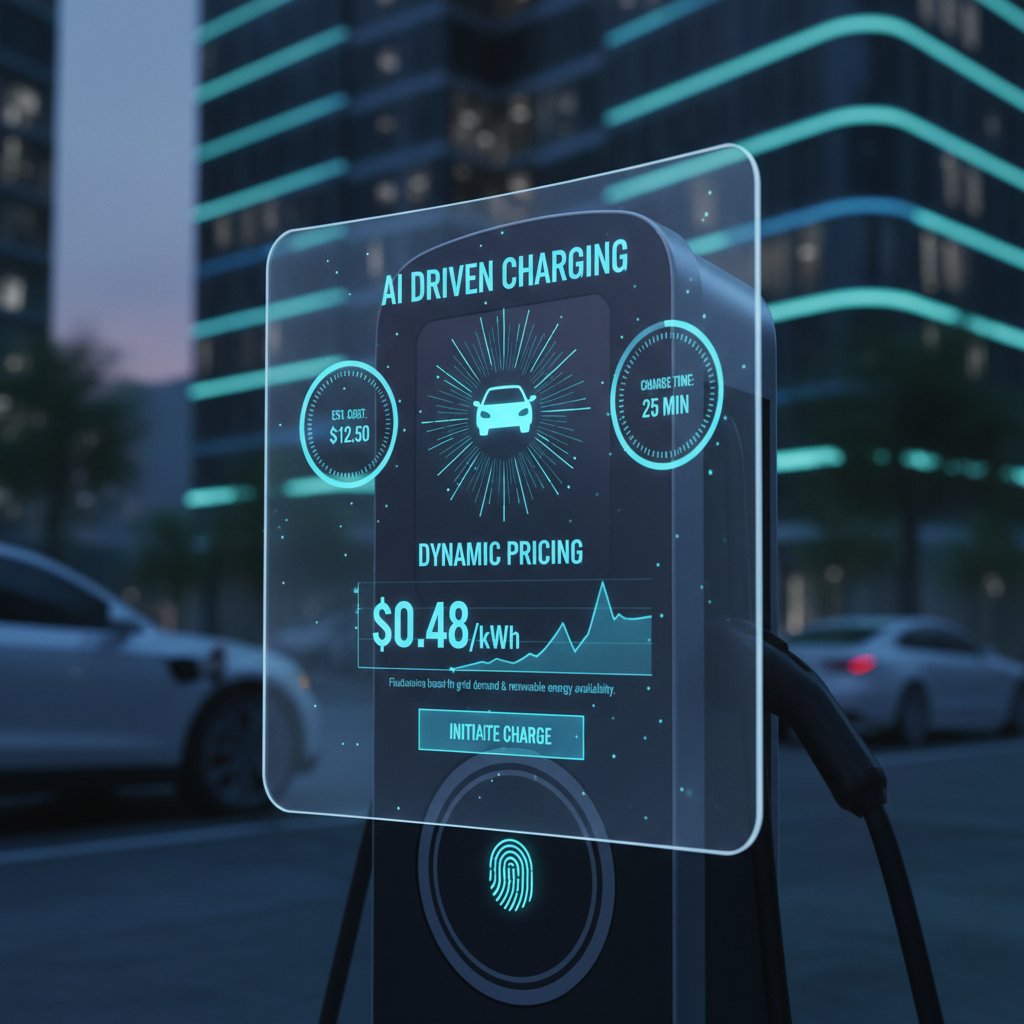
Smart home integration is on the rise—your car, charger, and home energy system can now negotiate the best charging time for your wallet and the grid. The bottom line: AI is making charging less manual, more strategic, and—potentially—less costly for attentive users.
Will universal access and interoperability become reality?
Universal access is the holy grail: one subscription, any charger, anywhere. But real-world barriers remain. Competing standards, proprietary payment systems, and regulatory patchwork keep the dream just out of reach. Governments and advocacy groups are pushing open standards and interoperability, but progress is slow.
For drivers, this means continued vigilance. In 2025, most will still juggle multiple apps or cards—unless they’re lucky enough to live in regions (like parts of Europe) where roaming is finally more than marketing.
Could charging subscriptions disappear altogether?
Charging subscriptions aren’t inevitable. Alternatives are brewing: employer-sponsored charging at workplaces, ad-supported public chargers (free, but at the cost of your attention), and robust public infrastructure that makes paid plans optional. These models challenge the subscription’s dominance, especially as governments invest in universal access.
Platforms like futurecar.ai are arming drivers with the data and guidance to navigate this evolving landscape—helping users make sense of the options, spot hidden costs, and avoid unnecessary subscriptions as models change.
Jargon buster: key terms every driver must know
Charging subscription jargon decoded
The ability to use charging stations from multiple networks with a single subscription or card; crucial for cross-country travel.
A pricing model where per-kWh or session fees change based on demand, location, or time—similar to surge pricing in ride-hailing.
The required minimum term (e.g., three months) before you can cancel a subscription without penalty.
A recurring charge for membership, sometimes independent of actual usage; may be annual or monthly.
A seamless authentication and billing system—just plug in your EV and charging starts automatically, no app or card required.
Knowing this lingo isn’t just about sounding smart in forums—it’s your first defense against junk fees and mismatched plans.
Commonly confused terms explained
Don’t confuse a charging subscription (recurring plan for charging access), a membership (paying for the right to access a provider’s network, sometimes with separate session fees), or a loyalty program (earn points or perks, often with no upfront fee but with frequent use requirements).
Example scenario: Jamie buys a “membership” to access fast chargers but still pays high session fees—thinking it’s “unlimited” like a subscription. The result? Surprise charges. Understanding the difference can save you real money.
Supplementary: controversies, misconceptions, and practical hacks
Controversies fueling the subscription debate
Charging subscriptions may be the fuel of the future, but they’re hardly controversy-free. Critics point to:
- Provider lock-in: Single-network plans can make switching tough, especially in regions with patchy coverage.
- Privacy concerns: Providers track every charge—where, when, and how much—raising questions about data use.
- Anti-competitive behaviors: Some networks block rivals’ users or set punitive roaming rates.
- Regulatory backlash: In 2025, consumer groups and governments are pushing back, demanding clearer terms, data privacy, and fairer pricing.
Consumers and watchdogs want transparency, portability, and privacy—demands that are beginning to reshape the market.
Common mistakes and how to avoid them
- Ignoring your real charging habits: Always compare your monthly usage with plan minimums before committing.
- Forgetting to cancel old plans: Subscription overlap is rampant—audit your accounts every six months.
- Chasing perks you’ll never use: Free parking you don’t need is worthless; focus on actual value.
- Missing fine print: Always check for cancellation dates, penalty fees, and coverage exclusions.
- Falling for the “unlimited” myth: There’s always a cap or a throttling clause—read closely.
Tips:
- Negotiate hidden fees—providers often waive them if you push.
- Use resources like futurecar.ai to compare, calculate, and optimize your charging strategy—expert advice can save you hundreds annually.
Practical hacks for maximizing value
- Use referrals and stack promotions—many providers offer free months for bringing in friends.
- Time your charging for off-peak hours to maximize dynamic pricing discounts.
- Share premium plans with family or trusted neighbors if allowed.
- Combine public subscriptions with home charging to reduce dependency on expensive networks.
- Participate in online forums—real hacks come from the community, not the marketing department.
Conclusion: owning your power in the new era of charging
The era of charging subscriptions is here, and it’s not leaving quietly. It’s a world of seductive perks, hidden traps, and real opportunities for the savvy, well-informed EV driver. The seven truths uncovered here are your toolkit: know your habits, decode the jargon, read the fine print, and never let inertia drain your wallet. Charging subscriptions aren’t inherently good or bad—they’re a tool, and like any tool, their value depends on how you wield them. As EV adoption accelerates and the models evolve, only the critical, engaged driver will come out ahead.
Your charging destiny isn’t written by the marketing department. Take control, challenge every assumption, and remember: in this new world of electric mobility, your journey and your choices set the rules. For deeper dives, smarter comparisons, and up-to-the-minute guidance, the data-driven expertise of platforms like futurecar.ai is your best co-pilot. Charge on—intelligently, relentlessly, and always on your terms.
Key Facts & Statistics
- Charging subscriptions can save frequent users up to 30% compared to pay-as-you-go rates.
- Compatibility varies: some plans cover multiple networks, others are provider-specific.
- Ultra-fast charging is increasingly included in premium subscriptions.
- Perks: reserved spots, priority access, app-based management.
- "Plug and Charge" technology is rolling out in 2025 for seamless, app-free charging.
- Pricing models range from monthly fees + per kWh to flat, unlimited charging.
- The right subscription depends on driving habits, charger availability, and local coverage. Authoritative Sources
- US EPA: Seven Tips Every EV Driver Should Know
- Go-Electra: EV Charging App Choices 2025
- Independent: UK Charging Points 2025 Expert Insight
- “Plug and Charge” will reduce friction and improve user experience, but implementation depends on both vehicle and station compatibility. Unique Angle
- Subscription models are evolving rapidly, with new tech like Plug and Charge and bundled perks making them more attractive for heavy users.
- Charging subscriptions (Charging-as-a-Service, CaaS) are periodic plans (monthly/annual) offering access to charging infrastructure, often with unlimited or discounted charging, simplified billing, and sometimes home charger installation/maintenance.
- They provide convenience, cost predictability, and seamless access—mirroring mobile/streaming subscriptions.
- AFAX Power: The Subscription Model Revolution
Below is a structured, comprehensive research summary on "charging subscriptions" for electric vehicles (EVs) in 2025, covering all requested topics with current statistics, expert insights, unique findings, and real-world examples.
1. Charging Subscriptions: 7 Truths Every EV Driver Must Know in 2025
Key Facts & Statistics
- Charging subscriptions can save frequent users up to 30% compared to pay-as-you-go rates.
- Compatibility varies: some plans cover multiple networks, others are provider-specific.
- Ultra-fast charging is increasingly included in premium subscriptions.
- Perks: reserved spots, priority access, app-based management.
- "Plug and Charge" technology is rolling out in 2025 for seamless, app-free charging.
- Pricing models range from monthly fees + per kWh to flat, unlimited charging.
- The right subscription depends on driving habits, charger availability, and local coverage.
Authoritative Sources
- US EPA: Seven Tips Every EV Driver Should Know
- Go-Electra: EV Charging App Choices 2025
- Independent: UK Charging Points 2025
Expert Insight
- “Plug and Charge” will reduce friction and improve user experience, but implementation depends on both vehicle and station compatibility.
Unique Angle
- Subscription models are evolving rapidly, with new tech like Plug and Charge and bundled perks making them more attractive for heavy users.
2. The New Fuel: What Charging Subscriptions Really Are
Definition & Features
- Charging subscriptions (Charging-as-a-Service, CaaS) are periodic plans (monthly/annual) offering access to charging infrastructure, often with unlimited or discounted charging, simplified billing, and sometimes home charger installation/maintenance.
- They provide convenience, cost predictability, and seamless access—mirroring mobile/streaming subscriptions.
Sources
- AFAX Power: The Subscription Model Revolution
- NF Fleet: Charging Subscription Services
- WhatCar: Pod Point Home Charging Subscription
Unique Insight
- Some automakers and utilities now bundle home charger installation and electricity tariffs with public charging access under a single subscription.
3. Defining Charging Subscriptions in the EV Age
Key Points
- Fixed monthly/annual fees for network access, often with discounted rates, exclusive perks, or loyalty rewards.
- Creates predictable revenue for providers and cost savings for regular users.
- Some plans are network-specific, others allow multi-network roaming.
Statistics
- Subscriptions can cut charging costs by up to 30% for frequent users.
- Flat-rate "all-you-can-charge" models are gaining traction.
Sources
4. Why Automakers and Utilities Love the Subscription Model
Benefits
- Predictable, recurring revenue streams.
- Boosts customer loyalty and brand engagement.
- Simplifies cost management for users.
- Offsets declining vehicle sales margins with ongoing services.
- Utilities benefit from increased electricity consumption and better load management.
Sources
- Autonomy: Analyzing Electric Vehicle Subscription Models
- Business Insider: Automaker Subscription Upsells
- Monta: Subscriptions for Charge Point Operators
5. How Charging Subscriptions Differ by Provider
Comparative Data
- Electrify America: Pass+ ($4–$7/mo) for discounted rates.
- EVgo: Tiers from $0.99–$12.99/mo, reducing fast charging costs.
- Tesla: $12.99/mo for 15–25% off Supercharger rates for non-Tesla EVs.
- Australian providers: free/discounted off-peak home charging with smart meters.
Sources
- Tridens Technology: Subscription Comparison
- MYEV: Comparing Public Charging Networks
- HowToGeek: Cheapest Charging Networks
6. Myths, Traps, and the Real Cost of Charging Subscriptions
Debunked Myths
- Not always expensive; cost varies by usage/location.
- Some plans lock users into high fees or limited networks—read the fine print.
- Real cost: about $0.03/mile, often cheaper than gasoline.
- Beware of hidden fees and network exclusivity.
Sources
7. Debunking Common Misconceptions
Key Points
- Subscriptions are not required for all; home charging remains most cost-effective.
- Many subscriptions offer added perks but aren't mandatory.
- Charging is increasingly fast and accessible; range anxiety is less of an issue.
- Free charging is rare and unsustainable.
Sources
8. Breaking Down the Numbers: Cost Analysis
Statistics
- Global subscription EV market: $3.6B in 2023, 30%+ CAGR through 2032.
- U.S. charging infrastructure: $4.1B in 2023, 29% CAGR to 2033.
- Public fast chargers grew 40%+ in 2023; now 35% of public stock.
- Software subscription fees for charger management average $28/mo.
Sources
9. The Psychological Trap of Subscription Fatigue
Key Insights
- Multiple subscriptions cause decision paralysis and sunk cost bias.
- Overwhelm leads to sticking with suboptimal plans.
- Fragmented services and complex choices reduce satisfaction and hinder optimal adoption.
Sources
10. Battle of the Models: Which Charging Subscription Fits You?
Comparative Overview
- Multi-network (e.g., Chargemap, Plugsurfing): best for travelers.
- Operator-specific (e.g., Ionity, Electra): best for consistent local or highway use.
- Home charging tariffs: best for those charging mostly at home.
- Charging-as-a-Service: for businesses and fleets.
Sources
11. Tiered and Dynamic Pricing Plans Explained
Definitions
- Tiered pricing: different service levels/usage brackets (e.g., basic, premium).
- Dynamic pricing: real-time rate changes based on demand, time, and market prices; encourages off-peak charging.
Sources
12. Are Bundles and Loyalty Perks Worth It?
Insights
- Bundles and perks (free hours, off-peak discounts, loyalty points) can save up to 30% for frequent users.
- Most valuable for regular or long-distance drivers; less so for infrequent users.
Sources
13. Case Studies: Charging Subscriptions in the Wild
Examples
- Chargefox (Australia): BMW offers 1, 3, or 5-year unlimited nationwide charging with select EVs.
- EVPassport: Business case studies show increased customer satisfaction and EV adoption in hospitality/retail.
- Greenflux: Large-scale smart charging projects in cities like Amsterdam.
Sources
14. European Innovation and Lessons
Key Innovations
- Smart, user-centric infrastructures with flexible subscriptions.
- Interoperability and competition among charge point operators.
- Integration with grid management and renewables.
- Policy support via EU Green Deal and AFIR regulation.
- Transparent pricing, flexible tiers, and cross-network roaming are critical.
Sources
- Azilen: Top EV Charging Innovations in Europe
- RAP: Competitive Charging Market
- EY: Public Charging Trends
15. How to Choose and Optimize Your Charging Subscription
Tips
- Analyze your driving and charging habits: frequent travelers benefit from multi-network, local users from operator-specific plans.
- Prioritize charging speed, convenience, and app features.
- Seek transparent pricing and dynamic/off-peak rates.
- Use smart charging apps (e.g., ev.energy) to optimize for cost and grid demand.
- Ensure compatibility with your EV and preferred networks.
- For home charging, invest in a Level 2 charger and consider solar integration.
Sources
- Go-Electra: Choosing a Subscription
- Driivz: AI and Optimization in Charging
- CleanTechnica: Hidden Savings in EV Charging
Summary Table of Key Sources
| Topic | Source | URL |
|---|---|---|
| 7 Truths | US EPA | https://www.epa.gov/greenvehicles/watts-important-seven-tips-every-ev-driver-should-know |
| What Subscriptions Are | AFAX Power | https://www.afaxpower.com/post/charging-as-a-service-the-subscription-model-revolution |
| Model Comparison | Tridens Technology | https://tridenstechnology.com/ev-charging-subscriptions/ |
| Myths | EV Charging Summit | https://evchargingsummit.com/blog/debunked-myths-about-ev-charging/ |
| Case Studies | Chargefox | https://www.chargefox.com/case-studies |
| European Innovation | Azilen | https://www.azilen.com/blog/ev-charging-innovations/ |
| Optimization | Go-Electra | https://www.go-electra.com/en/newsroom/ev-charging-app/ |
For further reading or deep dives, please refer to the linked authoritative sources under each section.
Frequently Asked Questions
What are charging subscriptions for electric vehicles?
Charging subscriptions are recurring monthly or annual plans that grant access to networks of EV chargers, often bundled with perks like priority access, discounted rates, or home charger installation. They offer app-based management, real-time availability maps, and navigation integration, with some plans providing 'roaming' to use chargers across multiple networks.
How do charging subscriptions differ from pay-as-you-go charging?
Unlike pay-as-you-go (PAYG) rates where you pay per charge, subscriptions are recurring plans that promise predictability and convenience. However, the article notes that subscription promises of 'unlimited' power can sometimes be a seductive illusion rather than genuine savings.
What does 'roaming' mean in charging subscriptions?
Roaming is the ability to use charging stations across multiple networks with a single subscription or card, eliminating the need to juggle different apps or payment cards at different charger networks.
Are charging subscriptions actually saving money for EV owners?
The article suggests that if you think your charging subscription is saving you significant money, it's time to examine the fine print more carefully, implying that the financial benefits may not be as substantial as advertised and that there are hidden traps to be aware of.
Sources
References cited in this article
- US EPA: Seven Tips Every EV Driver Should Know(epa.gov)
- Go-Electra: EV Charging App Choices 2025(go-electra.com)
- Independent: UK Charging Points 2025(independent.co.uk)
- AFAX Power: The Subscription Model Revolution(afaxpower.com)
- NF Fleet: Charging Subscription Services(nffleet.no)
- WhatCar: Pod Point Home Charging Subscription(whatcar.com)
- Monta: Charge Subscriptions for Loyalty(monta.com)
- Tridens Technology: EV Charging Subscriptions(tridenstechnology.com)
- Autonomy: Analyzing Electric Vehicle Subscription Models(autonomy.com)
- Business Insider: Automaker Subscription Upsells(businessinsider.com)
- MYEV: Comparing Public Charging Networks(myev.com)
- HowToGeek: Cheapest Charging Networks(howtogeek.com)
- EV Charging Summit: Myths Debunked(evchargingsummit.com)
- Forbes: Top 11 Myths(forbes.com)
- Sock8: Debunking EV Charging Myths(sock8.io)
- MakeUseOf: EV Charging Myths Debunked(makeuseof.com)
- Global Market Insights: Subscription EV Market(gminsights.com)
- IEA: Global EV Outlook 2024(iea.org)
- Subscriptions Tracker: Psychology of Subscription Fatigue(subscriptions-tracker.com)
- ScienceDirect: Charging Behaviour(sciencedirect.com)
- Simon-Kucher: Dynamic Pricing in EV Charging(simon-kucher.com)
- AmpUp: Pricing Models Explained(ampup.io)
- EV Help Hub: Are Memberships Worth It?(evhelphub.com)
- Chargefox: Case Studies(chargefox.com)
- EVPassport: Business Success Stories(evpassport.com)
- Greenflux: Smart Charging Projects(greenflux.com)
- Azilen: Top EV Charging Innovations in Europe(azilen.com)
- RAP: Competitive Charging Market(raponline.org)
- EY: Public Charging Trends(ey.com)
- Driivz: AI and Optimization in Charging(driivz.com)
- CleanTechnica: Hidden Savings in EV Charging(cleantechnica.com)