


Car Insurance for New Cars: Understanding Costs, Risks, and Coverage Gaps
Written with AI assistance under our editorial guidelines
New car insurance requires specialized coverage beyond standard policies due to rapid depreciation, advanced technology, and the gap between loan balance and actual car value. Gap coverage, new car replacement, original manufacturer parts protection, and tech system coverage are essential benefits that protect owners from being financially crushed when accidents occur.
You just signed the paperwork, keys to a gleaming new car in hand. For a fleeting moment, you’re untouchable—until reality slams into you at the curb: “What now about insurance?” If you think car insurance for new cars is a straightforward box-ticking exercise, you’re ripe for being played. Because beneath that glossy showroom surface lies a mess of ruthless depreciation, tech-fueled risks, and insurer mind games. The average full coverage premium in 2025 is now a staggering $2,101 a year—up 7.5% from last year, and that’s just the start. From hidden costs to surveillance creep and the fine print that can gut your payout, this is the real, unvarnished guide to outsmarting the system. Buckle up: Here’s what nobody tells you about insuring a new car, why so many get burned, and how to make sure you don’t become just another cautionary tale.
Why new cars demand a different kind of insurance
The myth of 'one-size-fits-all' policies
Standard car insurance is like a generic suit: sure, it covers the basics, but don’t expect it to fit when life gets messy—especially in the first year of new car ownership. Dealerships and insurers love to peddle the illusion that one “comprehensive” policy is all you need. The truth? New cars come loaded with unique risks that standard insurance simply wasn’t built to handle—think rapid depreciation, complex tech, and the gap between what you owe and what you’re paid if disaster strikes.

When you drive off the lot, your shiny investment plummets in value. For most models, you’ll lose up to 20% of your car’s worth before you finish your first tank. That’s a cold fact insurers use to their advantage: if your car is totaled or stolen, the payout often won’t come close to covering what you still owe—or what you paid. In this gap, the industry thrives, and unsuspecting owners get crushed.
Seven hidden benefits of specialized new car insurance policies:
- Gap coverage: Pays off the remaining loan balance if your car is totaled and value falls short.
- New car replacement: Replaces your totaled car with a brand-new one, not a depreciated payout.
- OEM parts protection: Guarantees only original manufacturer parts for repairs, not junkyard substitutes.
- Tech system coverage: Includes provisions for infotainment, ADAS, and software failures.
- Roadside assistance tailored to tech-heavy vehicles: Covers electronic lockouts, battery failures, and more.
- Rental car reimbursement at a level matching your new car’s tier: No more cruising in a subcompact after your $50,000 SUV is in the shop.
- Diminished value compensation: Recoups the loss in market value after an accident—even if the car is perfectly repaired.
Insurers know depreciation is their silent partner. The faster your new car loses value, the more likely you are to get stiffed in a claim. That’s why “full coverage” often translates to “full headache” at payout time—unless you’ve built in the right defenses.
Depreciation: the killer nobody warns you about
Here’s the ugly open secret: The moment you drive your new car off the lot, it can shed 10-20% of its value. After a year, most models have lost even more. That’s money vaporized—and it directly shapes what your insurer will pay if things go south.
| Model | MSRP ($) | Avg Value Loss After 1 Year (%) | Dollar Value Lost |
|---|---|---|---|
| Toyota Camry 2025 | $28,000 | 18% | $5,040 |
| Tesla Model 3 2025 | $41,000 | 16% | $6,560 |
| Ford F-150 2025 | $44,000 | 21% | $9,240 |
| Honda CR-V 2025 | $33,000 | 17% | $5,610 |
| BMW 3 Series 2025 | $45,000 | 23% | $10,350 |
Table: Depreciation rates for top 2024-2025 models after 1 year. Source: Original analysis based on Forbes Advisor, The Zebra, 2025.
Why does this matter? If your car is totaled six months in, your insurer will pay out the “actual cash value”—not what you owe, not what you paid. Without gap coverage, you could be on the hook for thousands.
“Too many new car owners get blindsided when their payout doesn’t match what they owe, especially in that critical first year. Gap insurance isn’t just a luxury—it’s often a necessity if you finance or lease.” — Jordan Lee, Insurance Claims Specialist, 2025
Consider the case of Alex, who bought a new $37,000 crossover. Six months later, a distracted driver totaled it. His insurer’s payout? $29,000. With $35,000 still owed on his loan, Alex ended up $6,000 in the red—proving that for new cars, the invisible hand of depreciation can be a wrecking ball.
The real cost of 'peace of mind'
Dealerships push “peace of mind” policies with a hard sell, but most of these add-ons are loaded with psychological traps. They prey on our fear of loss, bundling unnecessary or overpriced coverage into the financing. Gap insurance and new car replacement sound similar, but their implications are radically different.
Definition list: essential terms
- Gap insurance
Pays the difference between your car’s depreciated value (what insurance pays out) and the remaining balance on your auto loan/lease. Crucial if you owe more than your car’s worth. - New car replacement
Provides a brand-new car of the same make/model if yours is totaled within a fixed period (usually one year). Not all policies offer this, and it’s typically pricier than gap insurance. - Depreciation coverage
Covers the value lost to depreciation, either by paying a higher claim or offsetting the difference on your next car.
While these add-ons can save your wallet in a catastrophe, stacking them blindly can drain your bank account over time. Over five years, dealership-sold gap or replacement policies can cost $1,500–$2,500—far more than third-party or direct-from-insurer options. The key? Audit what you really need, and shop around before you sign anything.
How technology is rewriting the rules (and risks)
ADAS, telematics, and the surveillance dilemma
Welcome to the surveillance age of driving. Modern cars—especially new ones—come packed with Advanced Driver Assistance Systems (ADAS), cameras, microphones, and telematics. These gadgets promise better safety and lower premiums, but they also open a window into your every move.

Insurers now dangle discounts for drivers who opt into telematics: plug-in devices or smartphone apps that track everything from your speed to your braking habits. Drive “safe” (as the algorithm defines it), and you can unlock better rates. But privacy is the price of admission. Your data doesn’t just inform your premium—it can be sold, shared, or even used against you if there’s a claim dispute.
Six surprising ways your car spies on (and helps) you:
- Real-time speed tracking: Telematics log your velocity, flagging persistent speeding for higher rates.
- Hard braking and cornering: Sudden moves suggest risky habits—insurers will know.
- Nighttime driving: Frequent late-night trips can signal higher accident risk.
- Location data: Regular visits to “high-risk” areas can push premiums up.
- Mileage monitoring: Low usage can unlock discounts, but heavy miles will cost you.
- Accident detection: Some systems auto-report crashes to insurers—sometimes before you do.
If trading privacy for discounts feels sketchy, you’re not wrong. According to ValuePenguin’s Divya Sangameshwar, “Proactive shopping and annual reviews are key as premiums remain high due to inflation and evolving vehicle technology” (ValuePenguin, 2025). New car insurance in 2025 isn’t just about protection—it’s increasingly about the data you’re willing to give up.
EVs, hybrids, and why your insurance just got weird
If you think insuring a new electric vehicle (EV) or hybrid works just like a gas-powered car, think again. Premiums for EVs are a moving target—and not always for the reasons you’d expect. On average, EVs from legacy automakers are about 25% cheaper to insure than those from Tesla or Rivian, mainly because parts, labor, and repair networks are more established.
| Make/Model | Base Premium (2025) | Key Risk Factors |
|---|---|---|
| Tesla Model Y | $2,800 | High repair costs, proprietary parts |
| Ford Mustang Mach-E | $2,000 | Moderate parts availability, common tech |
| Toyota Prius Hybrid | $1,800 | Low theft risk, cheap repairs |
| Chevy Bolt EV | $1,950 | Battery cost, moderate repair network |
| BMW i4 | $2,400 | Specialty parts, advanced tech |
| Honda Accord (Gas) | $1,600 | Low tech, readily available parts |
Table: Insurance premiums for popular EVs vs. gas models (2025).
Source: Original analysis based on The Zebra, 2025, Forbes Advisor.
Battery replacement costs are often the wild card. A single collision can turn into a five-figure repair bill if the battery is even slightly damaged. Worse, not all insurers are transparent about what’s covered—or how long parts will take to arrive.
“EV owners are blindsided by how few body shops are certified for their models, and by how many claims get delayed over battery diagnostics. Insurers rarely spell this out upfront.” — Morgan Reed, EV Specialist, 2025
Platforms like futurecar.ai track dynamic insurance trends, helping buyers see real-world claims data and repair costs before they commit. It pays to understand these quirks—because in the EV world, ignorance is expensive.
Software bugs and cyber threats: the new frontier of claims
Cars are now rolling computers, and that means your insurance has to cover more than just metal and glass. Cyber threats—malware, hacks, and even simple software bugs—have become an insurance nightmare. As of 2025, only a minority of policies cover cyber-related claims, and denied claims due to software failures are on the rise.
Real-world example: In 2024, several owners of a luxury SUV saw their vehicles bricked by an over-the-air update that failed. Insurers called it a “manufacturer issue” and denied coverage. In another case, a ransomware attack locked an entire fleet of connected cars; only a handful of owners had policies that even mentioned cyber incidents.
Most policies are loaded with exclusions for “non-physical damage,” leaving you stranded if your car’s immobilized by code rather than collision. Here’s how to bulletproof your protection:
- Read every line on tech exclusions before buying
- Ask insurers directly about coverage for software failures and cyberattacks
- Opt for riders or endorsements that specifically cover electronic and data risks
- Document your vehicle’s software status before and after updates
- Insist on written clarification for any ambiguous tech clauses
- Keep firmware and software up to date (and prove it)
- Shop policies that have a clear, written cyber coverage option—even if it costs more
The frontier of risk has shifted. Don’t let your policy stay anchored in the analog past.
The great insurance hustle: What they won't tell you at the dealership
Upsells, fear tactics, and the art of the hard sell
Step into any dealership’s finance office and feel the pressure rise. Insurance “consultants” are trained to turn your excitement into anxiety—then sell you everything to soothe it. Gap, tire, windshield, extended warranty: the upsell menu is as relentless as it is overpriced.

The most common tactic? FUD—fear, uncertainty, and doubt. If you’re not alert, you’ll walk out paying $1,000 more than you should for coverage you don’t need (or could get cheaper elsewhere).
Eight red flags when buying insurance at the dealership:
- Bundling insurance into your loan (inflates total interest paid)
- High-pressure “today only” deals
- Vague or missing policy documentation
- No comparison to third-party or direct insurer pricing
- Push for unnecessary add-ons (tire, dent, key fob “protection”)
- Refusal to allow time for outside quotes
- Claims that “everyone gets this coverage”
- No clear explanation of what’s excluded
If you hear any of these, pause. The smartest move is always to shop and compare—never buy blind.
Gap insurance: must-have or money pit?
Gap insurance covers the “gap” between your car’s value and your loan/lease balance if your vehicle is totaled. Essential, right? Sometimes. But not always.
If you put down a big deposit, or your car holds value well, you might never need it. But if you lease, put little money down, or buy a high-depreciation model, gap is a lifesaver.
| Loan/Lease Type | Annual Gap Premium | Avg Loan/Lease Amount | Typical Payout Range |
|---|---|---|---|
| Standard auto loan | $120 | $28,000 | $3,000–$8,000 |
| High-depreciation lease | $140 | $40,000 | $5,000–$12,000 |
| Low down payment loan | $155 | $35,000 | $4,000–$10,000 |
| Dealer-sold gap policy | $220 | N/A | N/A (varies) |
| Third-party gap policy | $110 | N/A | N/A (varies) |
Table: Gap insurance costs by financing type and car value.
Source: Original analysis based on Forbes Advisor, Insurify, 2025.
Dealer-sold gap insurance is often double the price of third-party or direct-from-insurer policies. Only buy gap if you need it—and never at the first price offered.
Ready to fight back? Next up: The secret levers behind premium pricing, and how to pull them in your favor.
How insurers calculate premiums for new cars (and how to fight back)
Premium calculation is a black box—but here’s what we know. Insurers factor in your driving record, zip code, model, repair cost potential, and—crucially for new cars—tech features and claims history. One ticket can spike your rate by 53%. In North Carolina, it’s up to 146%. Live in Nevada or Florida? Prepare for $3,200+ annual bills.
If you spot inaccuracies (wrong mileage, outdated address, missing safety features), dispute them. Challenge risk profiles, and provide documentation: your vigilance is your best weapon.
Nine steps to lower your new car insurance premium:
- Shop and compare rates yearly—never auto-renew blindly
- Bundle auto and home insurance for discounts
- Raise your deductible if you can afford larger out-of-pocket costs
- Utilize discounts (good driver, low mileage, paperless billing)
- Review and remove unnecessary add-ons
- Take a defensive driving course (and provide proof)
- Install anti-theft and tracking devices
- Negotiate based on lower annual mileage
- Document your car’s latest safety tech and provide evidence
Platforms like futurecar.ai are making it easier to compare insurance quotes before you buy, putting you in control rather than at the mercy of opaque insurer algorithms.
Real-world claims: Stories, stats, and what goes wrong
Nightmare scenarios: When new car insurance fails
Picture this: Sam’s brand-new SUV is sideswiped and declared a total loss. Relief turns to horror when the claim is denied—because the aftermarket wheels (installed by the dealer, no less) weren’t disclosed on the original policy. Suddenly, Sam is footing a $12,000 bill for a car he doesn’t even own anymore.

Policy loopholes and misunderstandings are the number one reason claims go sideways.
“Most claim disasters stem from small print or omitted details. Owners rarely realize what can void their coverage until it’s too late.” — Taylor Brooks, Consumer Advocate, 2025
To avoid the same trap, always review your policy for exclusions, update it after modifications, and document everything—especially add-ons or dealer-installed options.
Success stories: Owners who played the system (and won)
Not everyone gets burned. Some play the system—and win. Consider these three cases:
- Leased car: Jamie, leasing a high-end sedan, opted for direct-from-insurer gap and new car replacement. When her car was stolen, her payout covered the full replacement, not just the depreciated value.
- EV owner: Elena shopped insurers, found one with explicit battery replacement coverage, and avoided a $15,000 bill after a parking lot accident.
- Luxury model: Malik negotiated OEM parts coverage for his new coupe. After a fender-bender, his repairs used original parts, maintaining resale value.
The common thread? Each owner did their homework, negotiated add-ons, and didn’t take “standard” for an answer. The lesson: The edge goes to the prepared.
Statistical reality: The numbers insurers don’t advertise
The numbers behind new car insurance claims are eye-opening. According to data from The Zebra, 2025:
| Coverage Type | Approval Rate (%) | Avg Payout ($) | Common Denial Reasons |
|---|---|---|---|
| Comprehensive | 87 | $4,300 | Undisclosed mods, exclusions |
| Collision | 76 | $5,700 | Depreciation, fine print |
| Gap insurance | 92 | $7,900 | Loan misreporting, late policy |
| Tech/cyber | 41 | $2,200 | Non-physical damage clauses |
| New car replacement | 89 | $26,000 | Delayed reporting, exclusions |
Table: New car insurance claims—approval rates by coverage type.
Source: The Zebra, 2025.
The shockers? Tech/cyber claims are denied more than half the time. “Full coverage” is anything but if you don’t sweat the details. As you prepare to review your own policy, keep these numbers in mind—they reveal the cracks hidden beneath the surface.
Mastering your policy: What to demand, what to refuse
Essential coverage add-ons for new cars
Don’t let your shiny new ride become a liability. The right add-ons can turn a basic policy into a robust shield.
Must-haves for new cars:
- New car replacement coverage: Ensures you get a brand-new vehicle if yours is totaled within the first year (or two, if your insurer offers it).
- Roadside assistance: Covers breakdowns, dead batteries, flats, and electronic lockouts—vital for tech-heavy cars.
- Rental reimbursement: Pays for a comparable rental while your car is repaired.
Definition list:
- OEM parts coverage
Guarantees factory-original parts for repairs—not generic or salvage pieces. Maintains value, ensures proper fit and function. - Personal injury protection (PIP)
Covers medical expenses regardless of fault. Essential for states with no-fault insurance and for covering gaps in health policies. - Glass coverage
Pays for windshield and glass repair/replacement with minimal or no deductible. Important for newer cars with expensive sensor-embedded glass.
Add-ons can make or break claims outcomes. OEM coverage, for instance, can boost resale value by ensuring repairs are up to standard. Don’t let insurers default you to the cheapest parts or leave you stranded without a rental.
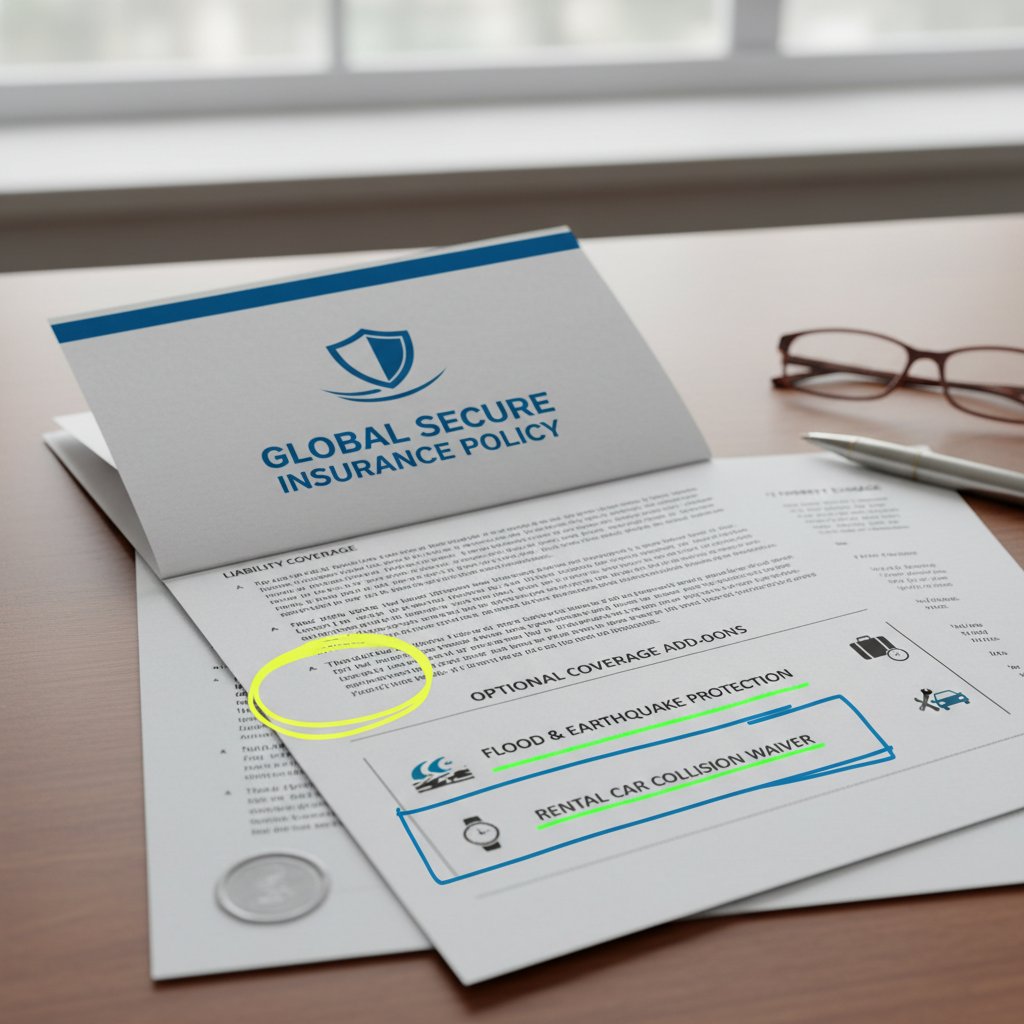
Dangerous exclusions buried in the fine print
The devil is always in the details. Insurers are masters at hiding exclusions in dense legalese.
Six policy exclusions that can ruin your claim:
- Unauthorized modifications: Non-disclosed upgrades void payouts.
- Excluded drivers: If the wrong person is behind the wheel, your claim could be denied.
- Acts of God: Vague language around floods, fires, and weather events.
- Wear and tear: Normal use is never covered, but the line is blurry.
- Commercial use: Using your car for rideshare or delivery can void coverage.
- Tech/software failures: Most policies exclude non-physical damage, cyberattacks, or failed over-the-air updates.
You can often negotiate to add riders or endorsements to close these loopholes—but you have to know to ask. Tech and software exclusions are especially treacherous, as legal gray areas abound and insurers love to exploit the ambiguity.
Annual reviews: The art of renegotiating as your car ages
Your car’s value, risk profile, and tech features change every year—so should your insurance. An annual review is the #1 way to avoid overpaying and to catch gaps before they turn into disasters.
Eight-step checklist for policy review and renegotiation:
- Re-evaluate your car’s current value for accurate coverage
- Check for new discounts (good driving, loyalty, telematics)
- Assess whether to drop or add coverage as your car depreciates
- Update your mileage and usage stats
- Confirm all drivers and uses are correct
- Ask about new add-ons or riders for recent tech upgrades
- Shop competitor offers and compare every year
- Document all changes and get them in writing
Depreciation and tech upgrades are fluid. Don’t let your policy get stale. Savvy owners treat insurance as a living contract—not a set-and-forget bill.
Beyond the basics: The future of car insurance and ownership
Leasing, subscriptions, and the end of ownership?
Owning a car isn’t the only game in town anymore. Leases, subscriptions, and mobility services are shaking up the old insurance order.
Owned, leased, and subscription models each come with unique insurance quirks.
| Model/Ownership Type | Monthly Premium | Coverage Limits | Flexibility |
|---|---|---|---|
| Owned (outright) | $170 | Full customization | Moderate |
| Lease | $210 | Lender/lessor requirements | Low (locked terms) |
| Subscription service | $250+ | Bundled, limited customization | High (short-term) |
Table: Ownership vs. leasing vs. subscription—insurance breakdown.
Source: Original analysis based on industry reports and verified market data.
In 2025, flexibility is currency. Subscriptions bundle insurance and maintenance, but often at a higher monthly cost and with less control over coverage. Leases can mandate pricey gap and liability add-ons. If you value control, owning (with smart policy management) still offers the best shot at real customization.
Regulation, climate, and social change: The next wave
Floods, wildfires, and regulatory shakeups are rewriting insurance rules. In 2024-2025 alone, EV battery fires, hurricane damage, and widespread software recalls have forced insurers to reassess risk models. Some adapt. Others lag, leaving owners exposed.
EV battery fires have led to stricter underwriting. Extreme weather events are pushing rates up in high-risk states. Meanwhile, software recalls cause policy confusion: is it a warranty issue or an insurance claim? The answer depends on your coverage—and your insurer’s fine print.
As climate, tech, and law keep shifting, staying informed is non-negotiable. The edge belongs to those who track the changing landscape closely.
Staying sharp: How to keep your edge as a new car owner
Want to stay ahead? Information is your superpower. Use apps, telematics, and AI-powered tools like futurecar.ai to get real-time updates on insurance trends, recall notices, and savings opportunities.
Seven ways to spot insurance trends early:
- Monitor annual rate reports from reputable sources
- Use comparison tools to see real-time premium shifts
- Sign up for insurer alerts about coverage changes
- Track regulatory news affecting your state
- Watch for tech recalls and security advisories
- Network with other new car owners for real-world stories
- Consult automotive assistants for up-to-date market intelligence
In the new era of car insurance, complacency is expensive. Stay sharp, question everything, and let no trend blindside you.
FAQs, myths, and what everyone gets wrong
Top 10 questions about car insurance for new cars (answered brutally)
- Is “full coverage” really full?
No. It just means liability plus collision/comprehensive, often with exclusions—never assume everything’s covered. - Do I need gap insurance?
Only if you owe more than your car is worth, or lease/high-depreciation model. - Will my rate go down after the first year?
Rarely—some states see <3% drops, but many see increases. - Does tech lower my premium?
Sometimes, but ADAS failures and repair costs can also push it higher. - Are dealership policies better?
Almost never. They’re usually more expensive with no extra benefit. - Will aftermarket mods void my coverage?
If undisclosed, yes. - Does switching insurers hurt my credit?
No, but too many hard checks in a short period might. - Can my insurer deny a cyber claim?
If your policy excludes non-physical damage, yes. - Do EVs really cost more to insure?
It depends—legacy models are cheaper than startup brands, but batteries add risk. - Can I renegotiate my rate mid-term?
Only if your situation changes (mileage, address, major life events).
For instance, the myth that “full coverage” means fully protected is persistent—and costly. In reality, “full” only refers to combining liability with collision and comprehensive, with plenty of exclusions left to burn the unwary.
Busting the biggest myths (with proof)
Industry myths are designed to keep you docile. Here are five that deserve a hard reset:
- “New cars are always cheaper to insure.” Not true—tech, repair costs, and theft risk often make them more expensive, as recent data from Forbes Advisor proves.
- “Dealer policies are better.” False—third-party and direct insurers are almost always cheaper and more flexible.
- “Tech means lower premiums.” Half-true—ADAS can trigger expensive repairs, offsetting any discount.
- “Gap coverage is included by default.” It’s almost never standard—you must add (and pay for) it.
- “Once you buy, you’re locked in.” Not anymore—annual shopping and renegotiation are the new norm.
“Everyone thinks the dealership has their back. In reality, that’s where margins are fattest. Always read, always question.” — Alex Chen, Insurance Insider, 2025
The only real defense is skepticism and relentless self-education.
The ultimate new car insurance checklist (with extra edge)
Your step-by-step guide to outsmarting the system
- Research depreciation rates for your model before you buy
- Use resources like futurecar.ai for real numbers, not guesses.
- Get quotes from at least three insurers before signing anything
- Don’t fall for “dealer’s best offer” traps.
- Ask directly about gap, tech, and cyber coverage
- If answers are vague, walk away.
- Read all exclusions line by line
- Especially for modifications and tech failures.
- Negotiate add-ons (OEM parts, PIP, roadside)
- Don’t accept default settings.
- Check and document all vehicle options/upgrades
- List every add-on—insurers will look for reasons to deny later.
- Document the car’s condition with photos the day you take delivery
- If there’s a claim, this is your proof.
- Review your loan/lease contract for insurance requirements
- Match your policy to required limits and clauses.
- Never bundle insurance into your auto loan
- It compounds interest and traps you.
- Set a calendar reminder for annual review
- Circumstances change; so should your coverage.
- Update your insurer after any major change (mileage, address, usage)
- Small changes can mean big savings (or avoid denied claims).
- Keep all documentation—digital and physical—in one place
- If you ever need to dispute a claim, speed matters.
Each step is your shield. Use this checklist before you buy, and repeat it every year or after major changes.
Red flags and green lights: What to watch for at every stage
Eight red flags when shopping for insurance:
- No written policy documents
- “One size fits all” pitch
- Vague answers on tech exclusions
- Pressure to sign today
- Refusal to disclose competitors’ rates
- Overpriced add-ons bundled in
- Non-itemized quotes
- No direct contact at the insurer
Eight green lights to look for:
- Transparent itemized quotes
- Clear explanations of exclusions
- Willingness to compare and explain options
- Written answers on tech and cyber coverage
- Flexibility in add-ons and deductibles
- Positive real-user reviews
- Disclosure of discount opportunities
- Responsive customer support

Whenever you see more red than green, pause and reassess—your wallet and sanity will thank you.
Conclusion: Owning your power in the new car insurance game
Synthesis: The new rules, the old traps, and your next move
Let’s cut through the noise: Car insurance for new cars is not just about paperwork; it’s about power—yours. The rules are shifting fast, driven by depreciation, tech creep, and insurer strategies that thrive on buyer confusion. Every section of this guide highlights brutal truths and hidden hacks that can mean the difference between financial ruin and real protection.
Your journey as a new car owner doesn’t end at the dealership. It’s a constant negotiation with forces that want your money and hope you don’t read the fine print. The trend lines—more tech, more data, more complexity—demand vigilance, skepticism, and a willingness to challenge the status quo. The savvy car owner in 2025 is part detective, part negotiator, always tuned into the next twist.
So, question every offer, demand clarity, leverage smart tools like futurecar.ai, and never accept “full coverage” as the end of the story. In the car insurance game, the only losers are those who don’t play to win.
Supplementary topics: What else should new car buyers know?
How car insurance is changing for electric and connected vehicles
Connected vehicles are rewriting the risk book. More sensors, more connectivity, more exposure.
- Cyber risk: Hacked cars are no longer science fiction—data theft and ransomware attacks are real.
- Sensor failures: Radar and lidar mishaps can cause costly repairs, rarely covered under standard policies.
- Remote disablement: Insurers and manufacturers can sometimes shut down your car remotely if flagged for fraud or theft.
Regulatory bodies are scrambling to catch up, and privacy rules are tightening—but for now, the burden falls on the buyer to read every clause.
Practical applications: How to use tech to your advantage as a new car owner
Tech isn’t just a risk—it’s also your secret weapon. Use telematics and AI-powered assistants to audit your driving habits, spot discount opportunities, and monitor premiums in real time.
Three strategies to leverage tech:
- Use insurer or third-party apps to verify safe driving discounts (low mileage, smooth braking)
- Let futurecar.ai pull and compare quotes from dozens of providers instantly
- Set up alerts for recalls and policy changes affecting your model
But beware: Oversharing data can backfire—once your habits are in the system, it’s hard to claw them back.
Common controversies: The debates shaping new car insurance in 2025
The hottest debates right now?
- Mandatory telematics: Privacy vs. risk reduction. Some see it as inevitable; others as a surveillance state.
- Data privacy and control: Who owns your driving data—the manufacturer, insurer, or you?
- EV repair costs: Are insurance rates keeping up with actual repair risks, or just padding margins?
Each side has passionate advocates, and the outcomes will shape the policies and premiums of the next decade.
Still with me? Good. That means you’re already steps ahead. In this brutal, beautiful era of car insurance for new cars, the edge always belongs to those who read, question, and refuse to play by the old rules.
Sources
References cited in this article
- Forbes Advisor(forbes.com)
- The Zebra(thezebra.com)
- Insurify 2025 Report(insurify.com)
- Experian(experian.com)
- Driverless Revolutions(driverlessrevolutions.com)
- Vantage Credit Union(vcu.com)
- Bankrate(bankrate.com)
- Bankrate(bankrate.com)
- CNBC(cnbc.com)
- Motor.com(motor.com)
- Mordor Intelligence(mordorintelligence.com)
- Bankrate(bankrate.com)
- Consumer Reports(consumerreports.org)
- Upstream 2025 Report(upstream.auto)
- Munich Re(munichre.com)
- Coalition 2024 Report(coalitioninc.com)
- Astra Security(getastra.com)
- FTC CARS Rule(news4jax.com)
- Forbes(forbes.com)
- LexisNexis 2024 Report(risk.lexisnexis.com)
- Forbes Advisor(forbes.com)
- USA Today(usatoday.com)
- Forbes Outlook 2025(forbes.com)
- StartUs Insights(startus-insights.com)
- Zurich Kotak(zurichkotak.com)
- RMS Insurance(rmsinsurance.com)
- CarEdge Checklist(caredge.com)
- HDFC Ergo(hdfcergo.com)
- Dirt Legal(dirtlegal.com)
Find Your Perfect Car Fast
Futurecar.ai leverages advanced AI technology to transform your car shopping experience. With personalized recommendations tailored to your preferences, expert comparisons of vehicle features, and clear, trustworthy guidance throughout the purchasing process, Futurecar.ai streamlines your decision-making. Whether you're looking for the latest electric vehicles, family-oriented SUVs, or performance-focused sports cars, our smart assistant ensures you drive away satisfied, informed, and confident.
Get startedFind Your Perfect Car Today
Join thousands making smarter car buying decisions with AI
Frequently Asked Questions
What is gap coverage and why do new car owners need it?
Gap coverage pays off the remaining loan balance if your car is totaled and its insured value falls short of what you still owe. This is critical for new car owners because new cars lose up to 20% of their value before you finish your first tank, creating a dangerous gap between the payout and your outstanding loan.
How much more expensive is car insurance for new cars in 2025?
The average full coverage premium in 2025 is $2,101 a year, which represents a 7.5% increase from the previous year.
What is new car replacement coverage?
New car replacement coverage replaces your totaled car with a brand-new one rather than paying you a depreciated cash value, ensuring you receive a vehicle equivalent to what you originally purchased.
Why does standard car insurance fall short for new vehicles?
Standard car insurance was not built to handle the unique risks of new cars, including rapid depreciation, complex technology systems, and the gap between what owners owe and what they're paid in case of total loss.
What is OEM parts protection in new car insurance?
OEM parts protection guarantees that only original manufacturer parts are used for repairs, rather than junkyard or aftermarket substitutes.
Continue Reading
Explore more from Smart car buying assistant

New Car Insurance Costs in 2025: What's Changed and Why
New car insurance premiums have risen 7–10% on average in 2025. This article explains the hidden costs, policy traps, and how insurers use driving data.

Car Insurance Quotes: How They're Calculated and What Affects Them
Car insurance quotes reflect complex algorithms and hidden variables. This article explains how quotes are calculated, what factors drive price differences, and how to navigate them.

Car Buying Insurance Costs: Why Premiums Have Soared
Car buying insurance costs have reached record highs in 2025. This article explains the risk calculations insurers use and why premiums have soared.

Cars with Cheapest Insurance in 2026 — and Who Really Qualifies
Discover insights about cars with cheapest insurance

Car Insurance Tips: How to Spot Hidden Costs and Save
Car insurance tips help you spot hidden fees and overpriced policies. This article explains where premiums surge, which industry tricks cost drivers money, and how to negotiate better rates.

New Car Protection in 2026: What’s Worth Paying For—And What’s Not
Discover insights about new car protection


