


Best Cars for First-Time Buyers in 2025: Which Models Offer Real Value
Written with AI assistance under our editorial guidelines
More than 43% of new drivers regret their first car within two years, often due to buying myths or missing hidden costs. First-time buyers should focus on affordable, reliable vehicles that fit their actual lifestyle and budget rather than succumbing to dealership marketing or social media pressure. Choosing wisely prevents costly financial mistakes and builds confidence as a driver.
Your first car isn’t just a purchase—it’s a statement, a rite of passage, and sometimes a leap into the unknown. The search for the best cars for first-time buyers in 2025 pulses with hope and anxiety in equal measure. Forget glossy dealership ads and influencer hype: what you really need is an unfiltered, brutally honest roadmap. This guide strips away the marketing spin, exposing the real value, hidden risks, and the underrated gems that auto insiders don’t want you to discover. Packed with expert insights, verified stats, and stories from the trenches, you’ll walk away prepared to cut through the noise and pick a car that fits your life, not just your Instagram.
If you crave independence but dread making a costly rookie mistake, you’re not alone. According to recent research from Edmunds, more than 43% of new drivers regret their first car within two years—usually because they bought into myths or missed the fine print on costs. Let’s disrupt the narrative, debunk the sales pitches, and help you find a vehicle that won’t ruin your wallet—or your confidence. Whether you’re after an affordable city commuter, a rugged road-tripper, or something that makes you stand out, this is your no-BS guide to smart, safe, and satisfying first-time car buying in 2025.
Why your first car is a life-defining choice (and why most guides get it wrong)
The emotional rollercoaster of buying your first car
Buying your first car isn’t just another transaction. It’s a swirling mess of excitement, dread, adrenaline, and—let’s be real—pressure from every direction. There’s the thrill of the open road, the ache for independence, and the nagging fear of making a catastrophic financial mistake. Research from MotorHills highlights that first-time buyers often feel overwhelmed not just by choice, but by the emotional weight of the decision—expectations from parents, judgment from friends, and the shadow of media-driven “perfect cars.”

"No one tells you how much your first car shapes your confidence." — Jordan
Every family has an opinion, every friend knows a story, and social media bombards you with envy-inducing rides. The result? Many first-time buyers swing between overreaching for a car to impress others or playing it so safe they end up with a regretful, uninspiring purchase. The truth: your first car becomes a mirror for your new identity as an adult—sometimes with scars, sometimes with swagger.
How the 'best cars' narrative is shaped (and who profits)
So, who decides what counts as the best cars for first-time buyers? Look closely and you’ll see a tangled web of interests—auto journalists paid to review sponsors’ cars, dealerships nudging you toward inventory that needs to move, and influencers cashing in on brand partnerships. The “best-of” lists change with the wind, and more often than not, the models spotlighted are those with the biggest marketing budgets rather than the best real-world value.
| Era | Top Pick(s) | Core Criteria | Who Benefited |
|---|---|---|---|
| 1980s | Honda Civic, Ford Escort | Affordability, MPG | Economy brands, dealers |
| 1990s | Toyota Corolla, Honda Accord | Reliability, resale | Import brands |
| 2000s | VW Golf, Hyundai Elantra | Features, tech | Growing import brands |
| 2010s | Kia Forte, Chevy Cruze | Safety, low insurance | Automakers with incentives |
| 2020s | Toyota Corolla, Mazda3 | Tech, safety, resale | Tech-forward brands |
Timeline: How ‘best first car’ lists have evolved, prioritizing shifting trends. Source: Original analysis based on Edmunds, 2024, MotorHills, 2024.
Behind every “top 10” list is a set of incentives, sales quotas, or click-driven agendas. That’s not necessarily evil—everyone needs to get paid—but it means you, the buyer, need to filter hype from reality and focus on what matters for your life and future.
Debunking the myths: what first-time buyers get wrong
Myth #1: New is always better
The showroom smell is intoxicating, but that fresh-off-the-lot car loses 20-30% of its value as soon as you sign. According to research from CarBuzz, depreciation punishes first-time buyers hardest, especially if you’re tight on cash or might want to trade in the next few years. Certified pre-owned (CPO) cars—late-model vehicles with low mileage and factory-backed warranties—hit the sweet spot, offering reliability and value.
- Hidden risks of buying new as a first-timer:
- Immediate depreciation: Lose thousands as soon as you drive off.
- Higher insurance costs: New cars mean costlier premiums.
- More expensive taxes and registration.
- Temptation to overspend on options you don’t need.
- Tougher loan terms (or needing a co-signer).
- Complex tech can be overwhelming to maintain.
- First scratch or dent feels like a punch to the gut.
Myth #2: Cheapest means smartest
It’s easy to fixate on sticker price, but the total cost of ownership tells a grittier story. That $13k bargain car might eat you alive with repairs, insurance, and bad resale value. A data-driven approach—considering maintenance, insurance, and resale—can save you thousands.
| Car Model | Sticker Price | Avg. 3-Year Maintenance | Annual Insurance | 3-Year Resale Value |
|---|---|---|---|---|
| Chevy Spark (cheap) | $14,000 | $2,300 | $1,600 | $7,000 |
| Nissan Versa (cheap) | $15,800 | $2,500 | $1,550 | $8,200 |
| Mitsubishi Mirage | $16,200 | $2,800 | $1,700 | $7,400 |
| Toyota Corolla (used) | $17,500 | $1,200 | $1,300 | $12,000 |
| Honda Civic (used) | $18,000 | $1,250 | $1,350 | $13,000 |
| Mazda3 (used) | $17,800 | $1,300 | $1,400 | $11,800 |
Table: Cheap new cars vs. reliable used—total cost over 3 years. Source: Original analysis based on Edmunds, 2024, Auto Masters, 2024.
Bottom line: The “cheapest” option upfront can become the costliest mistake over time. Always dig into maintenance records and projected resale before falling for a low sticker price.
Myth #3: Safety is obvious
Big cars feel safe, but size isn’t a guarantee. Many compact and midsize cars today boast advanced safety tech that older SUVs lack. Safety isn’t just about airbags—it’s about intelligent features and crash test ratings.
Key safety features (and why they matter):
- ESC (Electronic Stability Control): Helps prevent skids and rollovers—mandatory on new cars since 2012.
- AEB (Automatic Emergency Braking): Slams the brakes when you don’t react fast enough; proven to reduce rear-end crashes.
- IIHS/Euro NCAP ratings: Rigorous, independent crash tests—look for “Top Safety Pick” designations.
- Blind Spot Monitoring: Alerts you to cars lurking where you can’t see.
- Lane Departure Warning: Warns or corrects if you drift from your lane, preventing costly mistakes.
The best affordable cars for first-time buyers in 2025 are packing more safety per dollar than ever before. Don’t assume the bigger, heavier car is safer—scrutinize features and crash ratings instead.
The real criteria: how to define 'best' for first-time buyers in 2025
Beyond the badge: what actually matters now
Forget brand snobbery. What you want is a car that’s reliable, cheap to insure, easy and affordable to maintain, packed with relevant safety tech, and able to hold its value. Tech matters too: smartphone integration, easy-to-use infotainment, and decent connectivity are now must-haves, especially for younger buyers.
9-point checklist for evaluating first-car contenders:
- Proven reliability (look for models with high owner satisfaction and low recall rates).
- Low running costs (maintenance, repairs, routine servicing).
- Fuel efficiency (especially if commuting or driving long distances).
- Reasonable insurance premiums (avoid high-theft or high-power models).
- Advanced safety features (AEB, ESC, lane assist).
- Solid crash-test scores (IIHS, NHTSA, or Euro NCAP).
- User-friendly tech and controls.
- Comfortable seating and visibility.
- Strong resale value (especially for those planning to upgrade in a few years).

How climate, city, and lifestyle change the equation
There’s no universal “best car”—context trumps everything. If you’re navigating tight city streets and parking is a daily war, a compact hatchback or EV might be perfect. Rural drivers might need more ground clearance or all-wheel drive. Students or gig-workers may want cargo space or a hybrid’s gas savings. Owning a car that fits your climate—think snow tires or sunroof—matters more than brand or hype.
| Feature | City Commuter | Suburban All-Rounder | Road Tripper |
|---|---|---|---|
| Size | Compact | Midsize/SUV | Midsize/Full-size |
| Fuel Economy | High (30+ MPG) | Moderate | Moderate/Highway-tuned |
| Parking Ease | Excellent | Good | Moderate |
| Cargo Space | Limited | Ample | Generous |
| AWD/4WD | Rare | Optional | Recommended |
| Tech | Smartphone Focused | Balanced | Navigation, Audio |
| Insurance Cost | Low | Moderate | High |
Table: Feature matrix for first-time buyer profiles. Source: Original analysis based on MotorHills, 2024, Edmunds, 2024.
If someone claims there’s a one-size-fits-all answer, they’re selling you something. Start with your needs—where, how, and why you’ll drive.
2025’s fiercely honest picks: cars that won’t ruin your life (or wallet)
Best new cars for first-time buyers
Looking for a set of wheels that’s modern, safe, and won’t put you underwater on payments? These new models combine reliability, value, and just enough fun to keep you interested past the honeymoon phase.
- Toyota Corolla (2025): The gold standard for a reason—bulletproof reliability, good resale, low insurance, and great gas mileage. No drama, just results.
- Honda Civic (2025): Sporty enough to feel grown-up, but with the legendary Honda durability and top-tier safety.
- Hyundai Veloster (2025): Something different—quirky three-door style, surprisingly practical, and a warranty that beats most rivals.
- Mazda3 Hatchback (2025): Upscale feel, confident handling, and a cabin that’s a cut above the competition.
- Chevy Trax (2025): The affordable small SUV, giving you crossover practicality without the size or price penalty.
- Toyota Camry (2025): If you want comfort and space, Camry’s still the king—now with hybrid options.
- Ford Maverick (2024): Looks like a truck, drives like a car, sips gas like a hybrid. A wildcard with serious value.

Best used cars you’ll actually want to drive
Don’t sleep on late-model used cars with legendary reputations. These picks have proven they can rack up the miles without racking up repair bills—most can be found well under $15,000.
- 2016–2021 Toyota Corolla: The definition of “set it and forget it.” Safe, efficient, and dirt-cheap to keep running.
- 2015–2021 Honda Civic: Reliable, peppy, and universally respected by mechanics.
- 2017+ Mazda3: Zippy, attractive, and loaded with features; wears miles well.
- 2016–2020 Hyundai Elantra: Often overlooked, but bulletproof with a warranty if you go CPO.
- 2015–2018 Ford Focus: Great value, especially if you avoid early automatic models.
- 2014–2019 Kia Forte: Reliable, affordable, and loaded with standard tech for the price.
- 2017–2019 Toyota Prius: If you want hybrid mileage without hybrid headaches.
"My used Corolla outlasted my friends’ new rides—and cost half as much." — Taylor
Wildcards and underrated gems for the bold
If you’re willing to zig where others zag, these first cars turn heads and sometimes deliver way more fun than the mainstream picks.
- Mini Cooper (2014–2018): Style for days; just do your homework on maintenance.
- Fiat 500: Quirky, city-friendly, and dirt-cheap on the used market.
- Scion iM/Toyota Corolla iM: Cult following, reliable Toyota bones, and more personality than you’d expect.
- Chevrolet Bolt EV: Early EV with serious range (watch out for battery recalls, though).
- Subaru Crosstrek: AWD adventure on a budget—just keep up with maintenance.
Safe bets are fine, but sometimes breaking the mold pays off—especially if you’re willing to own the quirks.
The dark side: scams, traps, and rookie mistakes
What dealers and private sellers hope you miss
First-time buyers are a prime target for high-pressure tactics, hidden fees, and “clean” cars with dirty secrets. The most common traps? Overpriced extended warranties, sketchy vehicle histories, and “spot delivery” scams that yank your car back if financing falls through.
- Unexplained fees: “Dealer prep,” “market adjustment,” and other creative add-ons.
- Pressure to buy today: Walk away if you feel rushed.
- Too-good-to-be-true prices: Usually hiding a salvage or lemon history.
- High-interest financing: Often pitched to those with limited credit.
- Missing paperwork: Don’t sign without a full vehicle history report.
- Pushy up-selling: Rust-proofing, VIN etching, and more you probably don’t need.
- Incomplete inspection: If you can’t have a mechanic check it, run.
- Title issues: Salvage, rebuilt, or missing titles spell trouble.

Financing, insurance, and the hidden costs that kill deals
APR (annual percentage rate) sounds harmless until you realize it can double the cost of your car over a long loan. Dealer-installed options, junk fees, and tricky insurance clauses can stack up fast, catching first-time buyers off-guard.
| Car Model | Purchase Price | 3-Year Total (Payments, Fees, Insurance) | Hidden Charges |
|---|---|---|---|
| New Corolla | $23,000 | $28,600 | $1,200 (add-ons) |
| Used Civic | $16,500 | $20,800 | $800 (fees) |
| Chevy Trax (new) | $24,500 | $30,200 | $1,400 (options) |
Table: True cost over 3 years, including hidden fees and insurance. Source: Original analysis based on Edmunds, 2024.
One buyer’s cautionary tale: Rushed into a new car with “zero down” and “easy financing,” Jamie ended up paying $9,000 more than the sticker price by year three—a painful lesson in reading the fine print and never signing under pressure.
Insider playbook: how to actually win as a first-time buyer
Game plan: from research to keys-in-hand
Survive—and thrive—by turning the process into a strategic mission, not a desperate scramble. Here’s how to swing the odds in your favor, step by step:
- Define your true needs: Not just “what looks cool,” but real-world use.
- Set your budget (and stick to it): Include tax, insurance, and a buffer for repairs.
- Research models: Use trusted sources like futurecar.ai for unbiased, AI-powered recommendations.
- Check insurance quotes: Before you fall in love, know what you’ll pay each month.
- Shop multiple sellers: Compare dealerships, CPO, and private sales.
- Pull the vehicle history: Never skip this, especially on used.
- Inspect (or have inspected): Trust but verify—mechanics find what photos miss.
- Test drive with intention: Simulate your daily routine, don’t just cruise around the block.
- Negotiate: Don’t accept the first offer; be willing to walk away.
- Review the paperwork: Double-check every fee and clause before you sign.
- Celebrate—then schedule the next maintenance: Smart buyers think beyond day one.
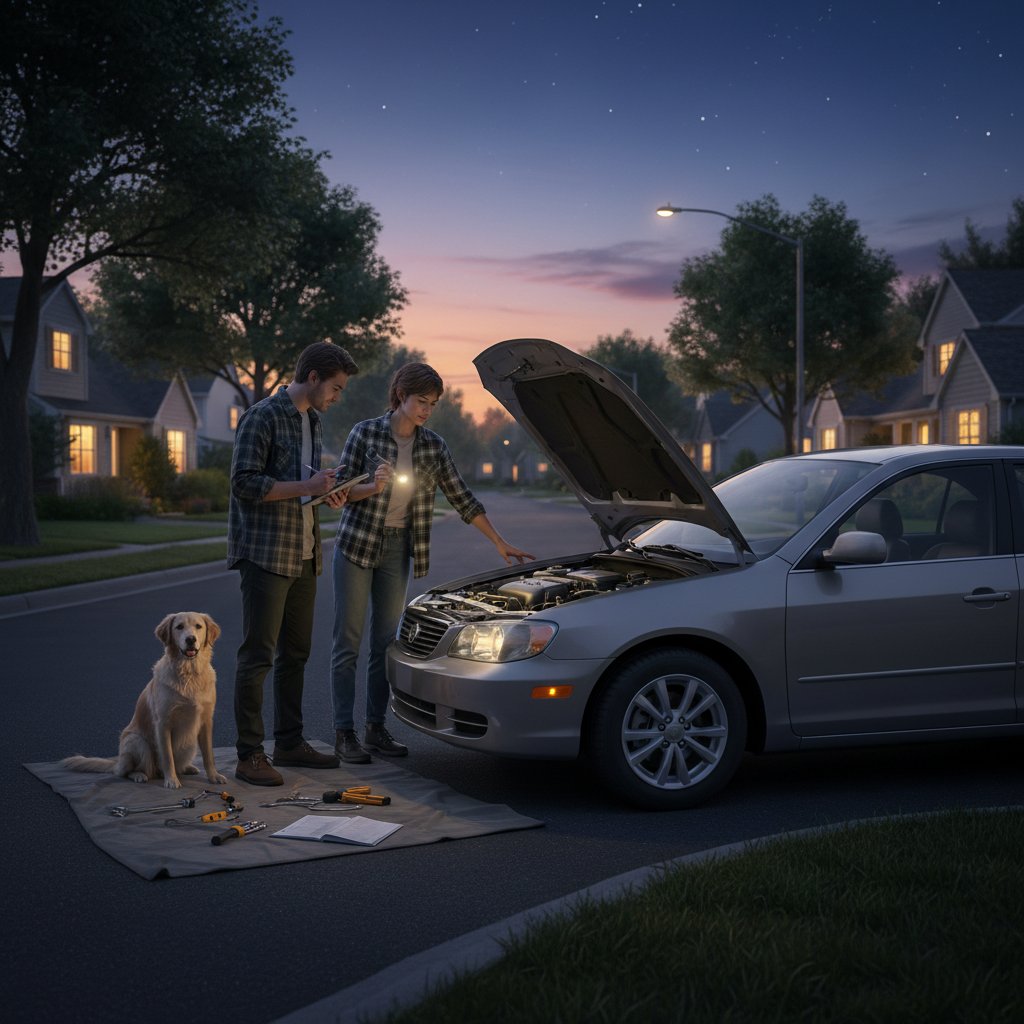
Negotiation hacks that work—even if you hate confrontation
Negotiation isn’t about being pushy; it’s about knowing your leverage and using it. Research shows that even first-timers can save an average of $1,200 just by asking for a better deal or extras. The secret? Silence. After you make your offer, let the awkwardness work for you. Dealers want to move inventory, and your willingness to walk away is your strongest weapon.
"I walked away twice. That’s when the real deal showed up." — Alex
Don’t fall for the myth that “newbies can’t negotiate.” Confidence comes from research—and the willingness to say no.
How futurecar.ai is quietly changing the first-time buyer’s journey
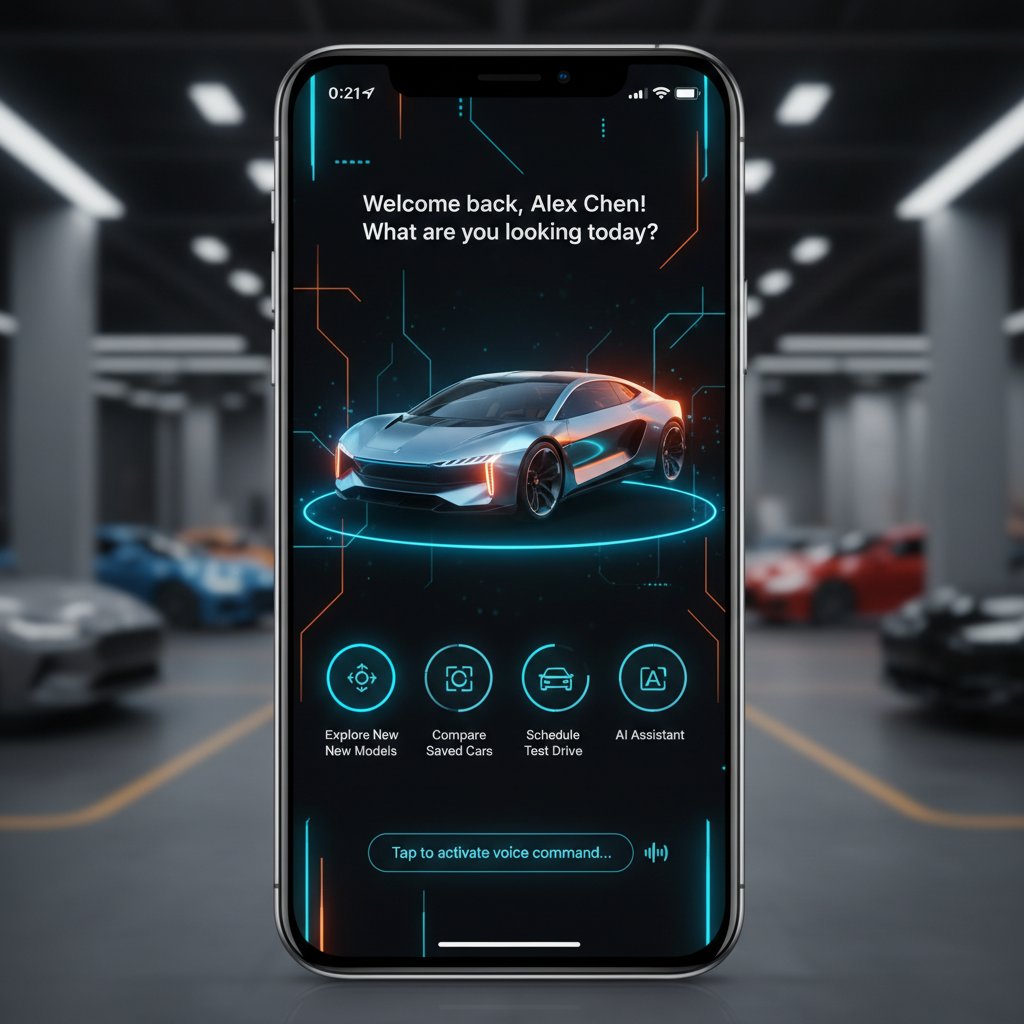
In a world overloaded with conflicting advice and hidden traps, smart AI tools like futurecar.ai help buyers cut through the noise. Instead of drowning in endless tabs and outdated “top 10” lists, you get personalized suggestions, side-by-side comparisons, and scam detection—all powered by up-to-date data. No more guessing which features matter or what’s a fair price in your area. For first-time buyers, it’s a revolution: clarity, transparency, and the kind of insider edge once reserved for professional negotiators.
Real stories: first-time buyers who broke the mold (and the ones who didn’t)
When the gamble pays off—unexpected wins
The best car stories aren’t always about following the rules. Casey, a grad student, bought a used Fiat 500 everyone warned against. Three years and 60,000 miles later, it’s still running strong and costing less to insure than roommates’ “sensible” new sedans.
"Everyone told me not to buy it, but it’s been my best decision yet." — Casey
What made the difference? Deep research, a trusted mechanic’s inspection, and the guts to trust intuition. Sometimes the unconventional pick pays off—when it’s done with eyes wide open.
Nightmare fuel: first cars that went spectacularly wrong
But for every win, there’s a horror story. From flood-damaged lemons to six-month-old hatchbacks with transmission failures, first-timers have faced every pitfall in the book.
- Rushed purchases without inspection led to costly surprises.
- Ignoring insurance quotes made “cheap” cars unaffordable.
- Trusting a handshake instead of checking the title.
- Skipping the vehicle history—missed that it was a former rental.
- Believing “one-owner, low miles” without documentation.
- Falling for “zero down” offers with sky-high interest.
If you get burned, don’t give up. Learn fast, get support, and treat it as tuition for adulthood.
The future of first-time car buying: what’s next?
Electric dreams: is your first car about to go electric?
EVs and hybrids are more accessible now, but are they right for a first-timer? They offer lower running costs and government incentives, but higher upfront prices and charging logistics can be hurdles.
| Criteria | EVs/Hybrids | Traditional Cars |
|---|---|---|
| Purchase Price | Higher (but incentives) | Lower |
| Fuel Costs | Much lower | Moderate to high |
| Maintenance | Slightly lower | Moderate |
| Resale Value | Improving | Traditionally strong |
| Range/Refueling | Charging time/range | Fast, familiar |
| Learning Curve | Steeper (charging) | Minimal |
Table: Pros and cons of EVs vs. traditional cars for beginners. Source: Original analysis based on Auto Masters, 2024.
Charging infrastructure is improving, but if you lack a home charger, think twice. Range anxiety is real, but for city dwellers or short commutes, an EV could be the smart, future-proof pick.
The rise of subscriptions, car-sharing, and AI-powered buying
The old buy-or-lease debate is fading. Car subscriptions and car-sharing services offer flexibility, especially in cities. AI-powered services, including futurecar.ai, are stacking the deck for buyers—analyzing market prices, flagging scams, and customizing recommendations to the individual.
- More buyers are skipping traditional dealerships entirely.
- Subscriptions appeal to commitment-phobic drivers.
- Peer-to-peer car sharing is rising in cities.
- AI tools make car shopping less stressful and more data driven.
- The “first car” rite is evolving—ownership is no longer a must.
Times are changing, and so is what it means to be a smart first-time buyer.
Bottom line: your best first car is the one that fits your story
Rethinking what matters: confidence, freedom, and resilience
At the end of the day, your first car is more than a set of wheels—it’s a symbol of self-reliance, risk, and the freedom to chart your own path. The best cars for first-time buyers are those that fit your journey, not just your budget or someone else’s list. It’s about trusting your research, honoring your instincts, and being ready to own both the triumphs and the mess-ups along the way.

Don’t let fear or FOMO drive your decision. The real win is walking away with a car that amplifies your confidence and lets you own your next chapter—warts and all.
Quick reference: your 2025 first-time car buyer’s survival kit
Ready to dive in? Here’s your no-nonsense priority checklist for a stress-free first car buy:
- Define your budget—including tax and insurance.
- Research models suited to your real needs.
- Check true ownership costs (maintenance, fuel, insurance).
- Compare safety ratings (IIHS, NHTSA, Euro NCAP).
- Seek models with proven reliability.
- Get multiple insurance quotes before deciding.
- Inspect used cars—never buy blind.
- Review the vehicle history.
- Test drive with your daily routine in mind.
- Negotiate or walk away if the deal stinks.
- Carefully read every clause before signing.
- Plan for regular maintenance from day one.
Your story is unique—don’t let anyone else write the ending. Share your buying war stories, your wins, and your lessons. The best advice comes from those brave enough to keep it real.
Sources
References cited in this article
- Auto Masters(driveautomasters.com)
- Edmunds(edmunds.com)
- CarBuzz(carbuzz.com)
- A1 Driving School(a1drivingschool.co.nz)
- MotorHills(motorhills.com)
- Pete the Planner(petetheplanner.com)
- Odyssey Online(theodysseyonline.com)
- Strategy+Business(strategy-business.com)
- WardsAuto(wardsauto.com)
- CarEdge(caredge.com)
- Carmudi(carmudi.com.ph)
- Auto City(goautocity.com)
- Investopedia(investopedia.com)
- Wayne O’Bryan Law(wayneobryanlaw.com)
- IGOTA~STi(igotasti.com)
- KBB(kbb.com)
- Edmunds(edmunds.com)
- VEHQ(vehq.com)
- Newsweek(newsweek.com)
- Arizona Car Sales(arizona.cars)
- Nitewall(nitewall.com)
- Carpages(carpages.ca)
- SavingAdvice(savingadvice.com)
- NerdWallet(nerdwallet.com)
- LoCarDeals(locardeals.com)
- AutoCheatSheet(autocheatsheet.com)
Find Your Perfect Car Fast
Futurecar.ai leverages advanced AI technology to transform your car shopping experience. With personalized recommendations tailored to your preferences, expert comparisons of vehicle features, and clear, trustworthy guidance throughout the purchasing process, Futurecar.ai streamlines your decision-making. Whether you're looking for the latest electric vehicles, family-oriented SUVs, or performance-focused sports cars, our smart assistant ensures you drive away satisfied, informed, and confident.
Get startedFind Your Perfect Car Today
Join thousands making smarter car buying decisions with AI
Frequently Asked Questions
What percentage of first-time car buyers regret their purchase within two years?
According to research from Edmunds cited in the article, more than 43% of new drivers regret their first car within two years, usually because they bought into myths or missed the fine print on costs.
What types of cars does this guide cover for first-time buyers?
The guide covers affordable city commuters, rugged road-trippers, and cars that make you stand out, tailored to fit different lifestyles and needs.
Why do first-time car buyers often feel overwhelmed according to the article?
Research from MotorHills shows that first-time buyers feel overwhelmed by choice and the emotional weight of the decision, including expectations from parents, judgment from friends, and media-driven expectations about what the 'perfect car' should be.
What is the main purpose of this buying guide?
The guide aims to provide an unfiltered, brutally honest roadmap that strips away marketing spin and helps first-time buyers find a vehicle that fits their life without making costly mistakes or being swayed by hype.
Continue Reading
Explore more from Smart car buying assistant

First-Time Buyer Car Recommendations: Avoid Costly Rookie Mistakes
First-time buyer car recommendations require understanding dealer tactics and hidden costs. This article covers the psychological traps, pricing strategies, and research-backed guidance for navigating your first purchase.

Best Cars for Beginners: Safety, Cost, and Long-Term Value
Best cars for beginners balance safety, cost, and reliability. This article explains what new drivers should prioritize and which models deliver real value.

What Makes the Best First Car for Your Needs
The best first car decision affects years ahead. This article explains hidden stakes, common mistakes first-time buyers make, and how to navigate dealer tactics.

First Car Buyer Guidance: Hidden Costs and Expert Strategies
First car buyer guidance explains hidden dealership costs, psychological traps, and expert strategies to avoid classic mistakes when purchasing your first vehicle.

Car Buying Advice for First Time Buyers in the New 2026 Game
Discover insights about car buying advice for first time buyers

Car Buying Help for First-Time Buyers: Avoiding Hidden Fees
Car buying help for first-time buyers covers the industry tactics, hidden fees, and common mistakes to avoid.


